Neighbor News
Pilgrim State Hospital Cemetery Deemed Eligible for the National Historic Register
The first step of many in formally recognizing the historic significance of the site

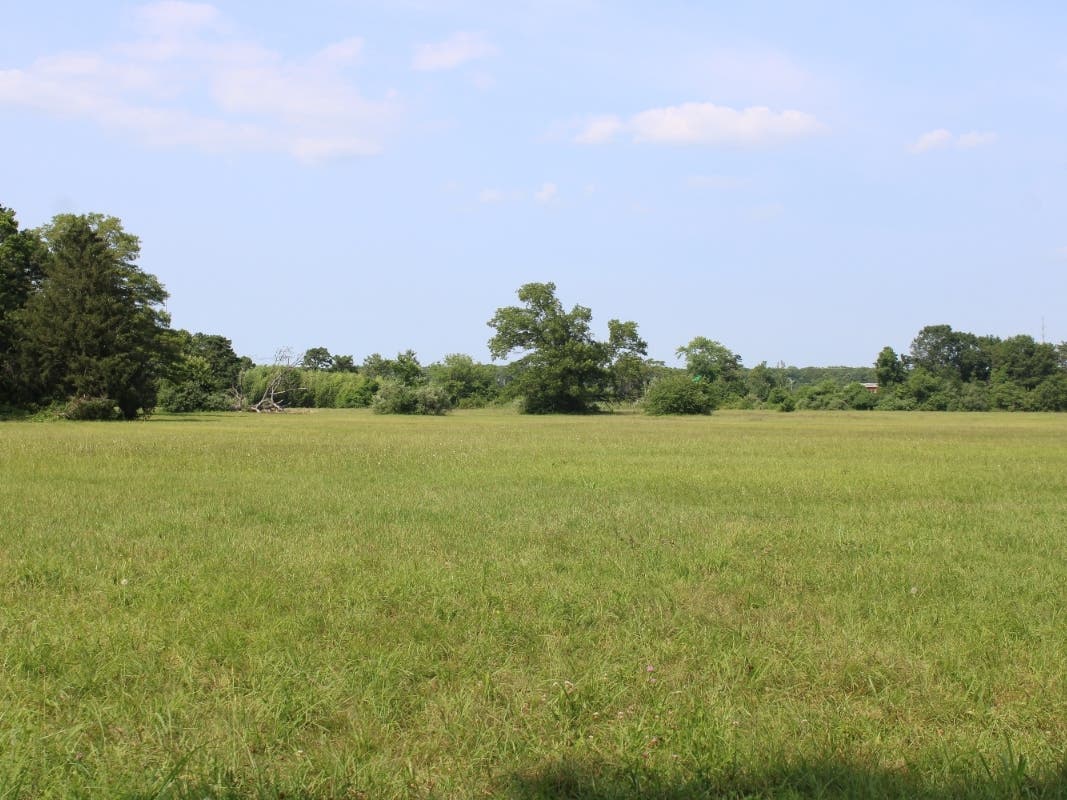


The Pilgrim State Hospital Cemetery, located directly adjacent to today's Pilgrim Psychiatric Center in Brentwood, New York, was deemed eligible for the State and National Registers of Historic Places. In addition to its stand-alone eligibility, the cemetery has also been identified as a contributing resource to the Pilgrim State Hospital Historic District by the State Historic Preservation Office (SHPO).
The site is significant under Criterion A in the areas of Health/Medicine and Social History for its direct association with the development of state mental health care in New York during the 20th century. It is also significant under Criterion C in the area of Architecture as a distinguished example of institutional architecture in New York State. As part of Pilgrim State Hospital—once the largest psychiatric institution in the United States—the cemetery reflects historical practices related to the treatment and institutionalization of individuals with mental illness. It stands as a significant landscape of memory, marking the lives of individuals who were largely invisible in life and death, and represents the human consequences of mental health policy in New York State during the 20th century.

The hospital cemetery opened on February 1st, 1934, with the first two patients buried there on February 3rd. Before this, all unclaimed deceased individuals were buried at the Central Islip State Hospital cemetery, with autopsies performed at Pilgrim and Central Islip state hospitals. The autopsies at Pilgrim during this time were conducted in a make-shift laboratory in the basement of Building 9, before a formal laboratory was organized in the hospital's medical-surgical building several years later. The cemetery, which was divided into three plots for Jewish, Protestant, and Catholic individuals contained mostly unmarked graves with only a number and a religious symbol. Only a few more-recent plots contained the last names of the individuals buried there. In 1958, A visit to the hospital cemetery revealed that the marking of burial places had not been satisfactorily completed, and the request for better markers was approved. In 1962, the wooden cemetery markers at the north end of the campus were finally replaced with cement markers. In 2001, the current site owner bought 452 acres of unutilized Pilgrim Psychiatric Center property, which included the hospital cemetery as an all-or-nothing deal. The cemetery is currently occupied by 8,550 deceased Pilgrim patients and has been neglected since its acquisition by the new owner.
Find out what's happening in Long Islandfor free with the latest updates from Patch.
The Pilgrim State Hospital Cemetery is under significant threat due to chronic neglect and lack of formal protection. The individuals buried here are becoming increasingly forgotten as their headstone markers are overtaken by nature and the plot locations become unclear. Although the owner had the responsibility to preserve the site after its sale, many of the headstones have sunken into the ground and can only be recovered by removing layers of dirt and foliage. Through historic aerial photography, changes in the cemetery layout can be observed over the years (from operation to present) bringing into question whether the current recognized site actually encompasses the entire scope of the cemetery and whether certain areas that have been more recently covered in trees actually contain burial plots. In addition, there are no signs on the site indicating the presence of a cemetery, further erasing these individuals from thought. There is no memorial, or bench, or a single bouquet of flowers recognizing the many past lives that lay in the ground.
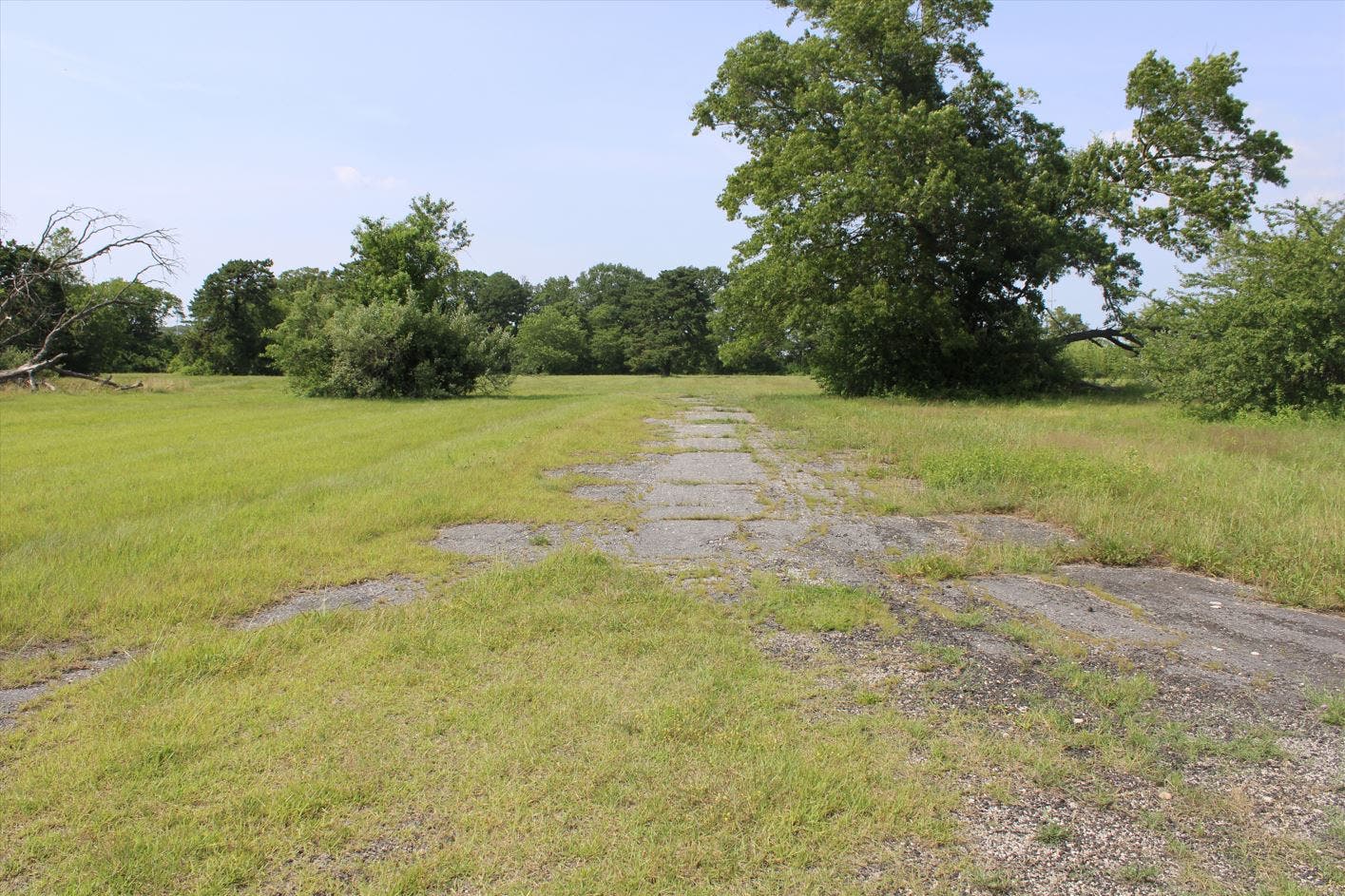
Many of those interred at the Pilgrim cemetery were institutionalized without any family connections, known relatives, or families that were able—or willing—to claim their remains. Without action to document, protect, and formally recognize the site, the cemetery risks being further erased—physically and culturally—from public memory. This historic register eligibility determination is the first step in formally recognizing the historic significance of the site. The desire to restore and honor the cemetery is linked to broader movements advocating for disability and human rights, and mental health awareness. For historians and extended families, the cemetery also possesses genealogical significance.
Find out what's happening in Long Islandfor free with the latest updates from Patch.
Since the cemetery is a contributing resource to the eligible Pilgrim State Hospital Historic District and several of the hospital campus buildings have been demolished within recent years, the State Historic Preservation Office (SHPO) suggests that "should the Pilgrim State Hospital Historic District proceed to a National Register nomination, the campus should be re-evaluated for eligibility and to determine the contributing/non-contributing status of extant resources."