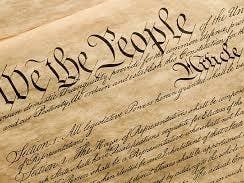
“We the people,” the constitution begins, which includes all the people. Our members of Congress (the Legislative branch made up of the Senate and the House of Representatives) were elected by the people to represent their states and districts. They are an important part of our system of checks and balances. The Supreme Court (Judicial) is another vital branch in our government. The President, VP, and cabinet (Executive) is the third branch. All three of these branches must answer to each other. This was designed so no one branch could grow too powerful. If it doesn’t work, the country doesn’t function properly.
Unlike a democracy, where people vote for representatives, judges and a president to represent them, a dictatorship is run by one person or a small group of people. A dictator has supreme power, which is maintained through military force, fear, propaganda and control of the media.
President Trump has signed over 250 executive orders. An executive order is an official instruction issued by the president to federal agencies. Although these orders are legally binding and enforceable in court, they are subject to judicial review and can be deemed invalid if found to be unconstitutional. Five things a president can not do are:
Find out what's happening in Long Islandfor free with the latest updates from Patch.
1. Declare war - enter into war, or treaties without congressional approval.
2. Make Laws – pass legislation or create laws, this power is exclusive to congress.
Find out what's happening in Long Islandfor free with the latest updates from Patch.
3. Spend Money – a president can’t spend money that has not been authorized by congress. Congress has “the power of the purse.”
4. Appoint officials without senate approval – cabinet members, supreme court justices, ambassadors without consent of the Senate.
5. Violate the Constitution – ignore judicial decisions from courts, create policies that conflict with existing laws.
On February 20, 2026, SCOTUS ruled that many of Trump’s tariffs are unconstitutional, concluding that Trump exceeded his authority, and affirming that Congress holds the power to impose tariffs as stated in the Constitution. In December of 2025, The National Trust of Historic Preservation sued the Trump administration claiming that the demolition of the East Wing (which housed the offices of the First Ladies, and was a place where women worked) for the construction of a 90,000 square foot ballroom violated the Constitution and federal laws. Since the beginning of the war with Iran, legal scholars and law makers are accusing the Trump administration of starting an illegal war, citing Article 1, Section 8, Clause 11, of the Constitution stating: Only Congress can declare war. For although the president is commander in chief, the framers of the constitution wanted to prevent any one person from initiating conflict. This year the Trump administration’s ICE operations have been a source of widespread allegations for unconstitutional actions including: violating the 4th amendment which protects people from illegal searches, arrests without warrants, and denial of due process (which ensures an individual receives a fair hearing, notice of charges and the ability to defend themselves and present evidence).
According to the Constitution, the president answers to the American people, is bound by the constitution, and is checked by Congress and the Supreme Court. Presidents serve four-year terms, no more than two. In an absolute monarchy the king has complete power and doesn’t have to answer to anyone. He can reign until his death.
Stay safe and stay informed.