Community Corner
Ice Capades
Massapequa's wicked winter isn't just an annoyance, it can also be hazardous to your health.
We were beginning to think the weather man was hitting the replay button. The forecast was always the same, snow, wind, cold, freezing rain.
The only reason the ground hog didn’t see his shadow was because his hole was buried in over three feet of snow. Along with the snow and ice come the injuries from shoveling snow, falling and slipping on the ice, and snow blowing injuries.
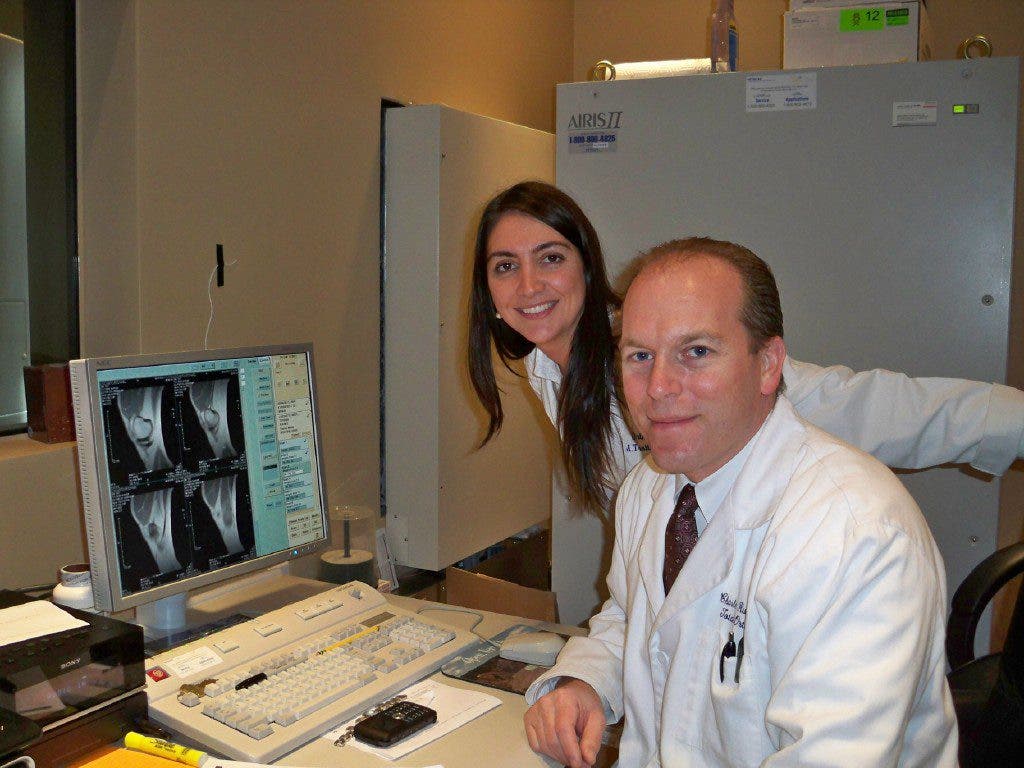
We recently visited with Dr. Charles Ruotolo, Chief of Orthopaedic Surgery at Nassau University Medical Center and one of the doctors at in Massapequa, (www.totalorthosportsmed.com) along with his Physician Assistant Maria Trotta. We asked him about the most common injuries during this snowy season.
Find out what's happening in Massapequafor free with the latest updates from Patch.
“Ankle injuries are the most common thing that we are seeing,” said Dr. Ruotolo. With all of the ice, people are slipping, sliding, breaking and spraining ankles. The reason we are seeing these injuries, according to Trotta is “People are not using proper foot wear.”
Whenever you go outside use common sense and wear flat shoes with good traction. High heels and even boots with high heels can slip easily on the ice landing you in the doctor’s office. Walk slowly and keep your steps short and flat footed.
Find out what's happening in Massapequafor free with the latest updates from Patch.
Another injury we see is falling on an outstretched hand which often times leads to a fractured wrist. If you are experiencing pain, elevate the affected part, ice it and get an x-ray. You may have a fracture. Sometimes it could be a hairline fracture and will be seen best on an MRI. Dr. Ruotolo’s office recently installed an open MRI which is great for those patients who are claustrophobic.
One of the most serious injuries seen are those caused by snow blowers. Although these machines are great for clearing snow they can also amputate your fingers. Often times the blowers can get clogged with snow. Even though the machine is turned off a patient can still lose a finger if they reach in to clear out the snow with their hands.
“The blower still has torque and the blades can still keep turning once the snow is unclogged,” Dr. Ruotolo said.
Never stick your hands in the machine to clear the snow. Trotta advised, “These machines come with attachments you can buy to clear the snow from the blades.”
The US Consumer Product Safety Commission has the following recommendations for using snow blowers.
- Turn the machine off and use a long stick to unclog wet snow and debris from the machine. Never use your hands to unclog a snow blower
- Always keep your hands and feet away from moving parts
- Never leave the machine running in an enclosed area
- Add fuel to the tank outdoors before starting the machine, don’t add gasoline to a running or hot engine. Always keep the gasoline can capped and store gasoline out of the house and away from ignition sources.
- If you have an electric power snow blower, be aware where the power cord is at all times.
It is also important to keep children away from these machines. You should also wear protective eye wear to prevent eye injuries.
For those of us clearing snow the old fashioned way, with a shovel, there are a few tips to remember. First off, before starting out, stretch to prepare your muscles. Don’t eat, smoke (you shouldn’t be smoking anyway) and avoid caffeinated beverages before you shovel because they can increase your heart rate.
Pace yourself! For every fifteen minutes you are shoveling, rest fifteen minutes. Always drink plenty of water and hydrate yourself. If you experience any chest pain stop immediately. If the pain continues seek medical attention, this could be an early warning sign of a heart attack which happens all too often with this kind of activity.
Maintain proper posture when shoveling. Use your leg muscles as much as possible keeping your back straight as you move from the squat to the upright position. Lift with your legs not with your back.
Use your shoulder muscles as much as possible holding the shovel as close to your upper body. Don’t twist your upper body as you throw snow which can cause lower back injuries and sprains.
Don’t throw snow over your shoulder. Keep moving it with forward motions. When shoveling snow do it piecemeal. Never move deep snow all at once. One shovel of snow can weigh as much as 20 pounds, which is why it’s always good to start early when the snow is fresh and lighter.
But hey, don’t worry at the rate this winter is going you’ll be an expert at snow shoveling by the time spring rolls around if it ever will. Stay warm and stay safe.