Health & Fitness
Babies May Have Three Sets of DNA in the Future
Great Britain approved a measure to allow in vitro fertilization (IVF) treatments that would involve DNA from three people.

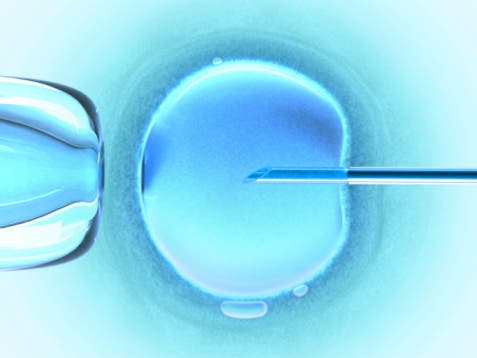
Great Britain approved a measure to allow in vitro fertilization (IVF) treatments that would involve DNA from three people.
These procedures would involve DNA from two females and one male. Female DNA, or mitochondrial DNA, can sometimes have mutations that lead to certain diseases such as Diabetes Mellitus and Deafness (DAD); neuropathy and Retinitis Pigmentosa, among other things, explains Christine Mullin, MD, reproductive endocrinologist at the North Shore-LIJ Health System. Doing this kind of IVF procedure may help to prevent some of these inherited diseases.
“The IVF procedure involves biological material from three ‘parents’ to prevent at-risk families from passing on devastating genetic diseases to their children,” Dr. Mullin says. “The procedure is controversial because it replaces the affected mother’s mitochondrial DNA with healthy DNA from a female donor. As a result, the child is born with a minuscule amount, about 0.2%, of DNA from a third person.”