Health & Fitness
Coronavirus: How Worried Should You Be?
As the old saying goes: bad news travels fast, but bad coronaviruses travel even faster. Here's everything to know about the deadly virus.


A new coronavirus (2019-nCoV) has been identified in Wuhan, China, and hundreds of confirmed cases have been diagnosed, including a case here in the United States. Here's everything to know about the deadly virus, including how to protect yourself.
What are Coronaviruses?
Coronaviruses are a type of virus, which include the common cold, named for their crown-like appearance when looked at under the microscope (in case you have one in your house). They tend to cause mild to moderate upper respiratory tract symptoms including sore throat, runny nose, sinus pain, headache, and fever. However, there have been 2 outbreaks over the past 2 decades that have caused severe symptoms and deaths. Both the SARS (severe acute respiratory syndrome) epidemic, which started in China in 2002, and the MERS (middle east respiratory syndrome) epidemic, identified in Saudi Arabia in 2012, ended up each being responsible for over 800 deaths worldwide, usually due to pneumonia and respiratory failure as well as liver and heart failure.
Find out what's happening in New York Cityfor free with the latest updates from Patch.
Should we be worried?
Yes. In fact, this new coronavirus outbreak in China has already been responsible for over 17 deaths, necessitating current travel restrictions and travel bans.
Who is at risk of being infected?
Anyone who has had close contact with someone who is infected. Transmission can be airborne after an infected person coughs or sneezes. Also, if you touch an object that has virus particles on it and then touch your mouth or rub your eyes, you could have just infected yourself. Small children, people over the age of 65 years old, and people with compromised immune systems are at highest risk of severe symptoms and death.
Find out what's happening in New York Cityfor free with the latest updates from Patch.
Should we all wear masks and armour suits?
Although masks may help decrease transmission, no need to overreact at this time (you can leave the armour suit on the knight in the hallway). Things we can all do to decrease our chances of catching this bugger:
- Wash your hands often with soap and water.
- Avoid touching your mouth, your nose, or rubbing your eyes unless you just washed your hands.
- If you live or work with someone who has symptoms, disinfect surfaces often (as well as encourage him or her to stay home from work and possibly wear a mask when out).
- Seek medical attention if you develop symptoms.
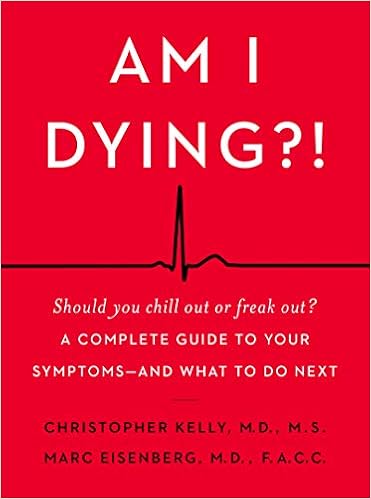
Christopher Kelly, M.D., M.S. and Marc Eisenberg, M.D., F.A.C.C. are cardiologists at Columbia University Medical Center and the authors of "AM I DYING?!: A Complete Guide To Your Symptoms and What To Do Next."
Get more local news delivered straight to your inbox. Sign up for free Patch newsletters and alerts.