Business & Tech
Corporate America Continues to Retreat from DEI
New Report Underscores Urgent Need for LGBTQIA+ Inclusion in the Workplace

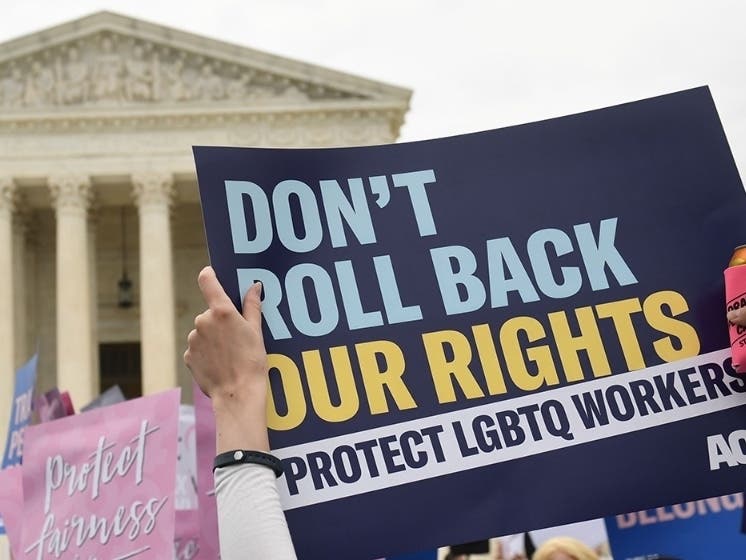
In a sweeping shift across corporate America, major companies—including UnitedHealth Group, Goldman Sachs, Bank of America, Citigroup, Target, and Victoria’s Secret—are scaling back or entirely abandoning their diversity, equity, and inclusion (DEI) initiatives. Often driven by political pressure and evolving legal landscapes, these retreats are raising red flags among advocates and employees alike. Now, a new report brings hard data to these concerns—and calls for immediate action.
The Shine The Light Report, sponsored by the Be The Transformational Change Fund, provides a sobering yet vital snapshot of the state of LGBTQIA+ inclusion in today’s workplace. Based on a survey of 914 LGBTQIA+ professionals—up from 580 last year—the report underscores the ongoing need for intentional leadership, safer work environments, and visible allyship.
Among its most revealing findings: while 60% of respondents said they are out to all or most coworkers, nearly 54% of transgender professionals who are not out cited fear of discrimination as the main reason. This illustrates how many LGBTQIA+ workers still navigate their careers with caution, even at companies that publicly promote inclusivity.
Find out what's happening in New York Cityfor free with the latest updates from Patch.
There are glimmers of progress. Trust in leadership is rising, with 30% of respondents now feeling comfortable approaching higher-ups about discrimination—an increase from 23% in 2023. Additionally, 73% said their employers provide at least two inclusive health benefits.
It’s worth noting that the survey was conducted in December 2024—before the new administration took office and DEI bans were enacted.
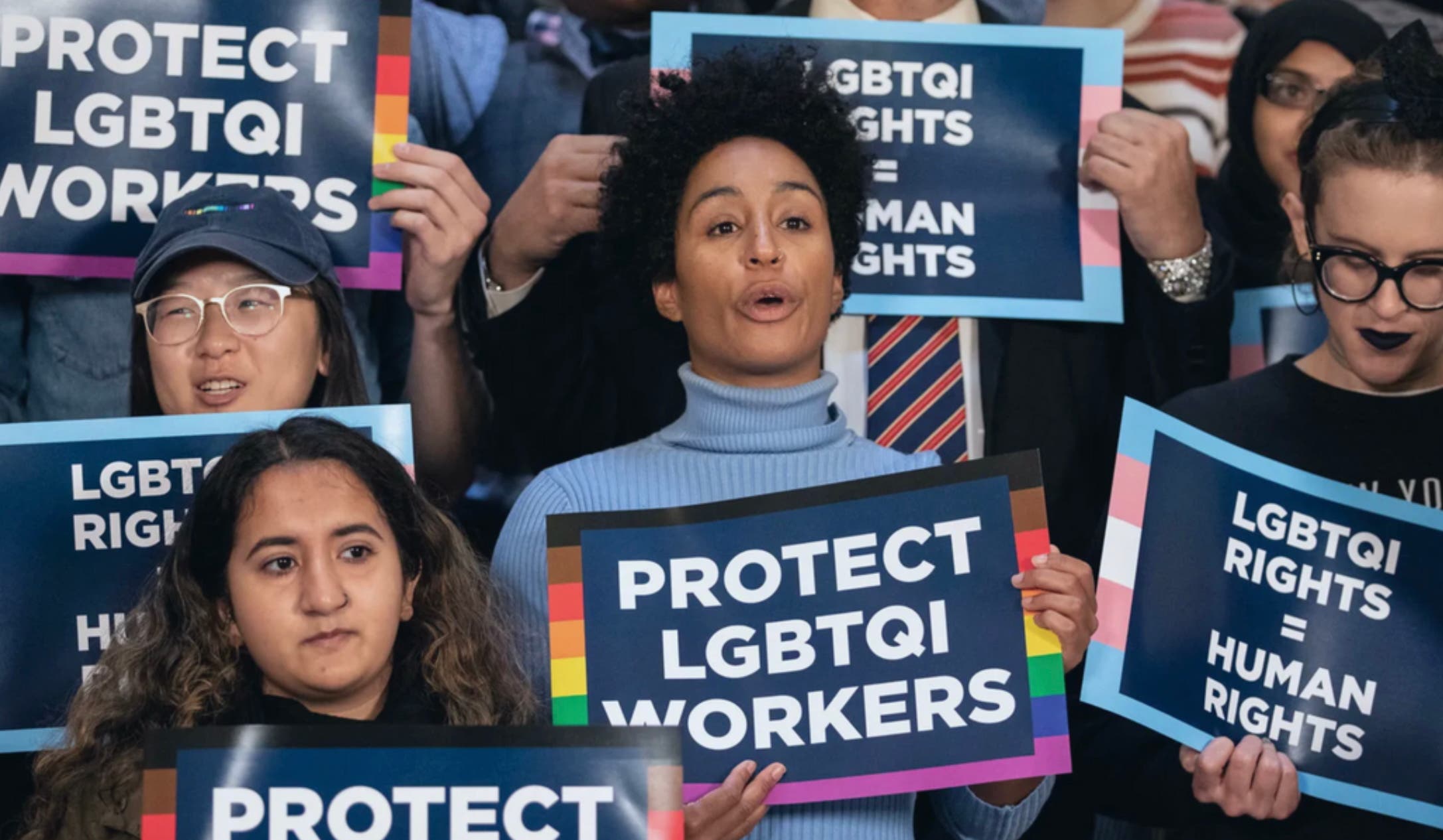
Still, even before those changes, many respondents struggled to access or understand the benefits available to them. A bisexual transgender woman and manager at a Fortune 500 company shared, “My employer doesn’t publish a specific guide for LGBTQIA+ individuals, and it shows. The only way to get healthcare support… is to out myself.”
Find out what's happening in New York Cityfor free with the latest updates from Patch.
A gay transgender man and special education teacher in Utah voiced this frustration: “It would help for workplaces to provide a specific healthcare guide for LGBTQIA+ individuals. I had to go through six different booklets to understand if my healthcare would even be covered.”
These personal stories echo louder as more corporations, under pressure from conservative activists and legislative threats, quietly roll back DEI commitments. UnitedHealth Group recently removed its DEI web pages, replacing them with vague language about a “culture of belonging.” Victoria’s Secret suspended its racial hiring goals. Goldman Sachs, Bank of America, and Citigroup have all toned down diversity language in public filings and internal policies. Even long-time diversity advocates like PBS, Coca-Cola, and Amazon have followed suit.
This corporate retreat comes at a time when visibility, support, and institutional commitment are more crucial than ever. According to Shine The Light, one in five LGBTQIA+ respondents reported experiencing workplace discrimination—a slight uptick from last year. Nearly 60% said their workplace would benefit from targeted anti-discrimination training, particularly around microaggressions and effective intervention strategies.
Representation in leadership remains especially bleak. Of more than 5,400 board seats across the Fortune 500, just 0.7% are held by LGBTQ+ individuals. “If you don’t see people like yourself in leadership roles, it’s very hard to know if it’s safe to be yourself,” said a transgender tech worker in Chicago.
The report also delves into how identity and intersectionality shape workplace experiences. Gen Z respondents were the least comfortable expressing their gender identity (57%), while millennials were the most (73%). Asian American workers reported the highest levels of comfort (82%), while Hispanic or Latino workers felt the lowest (63%). Black or African American respondents reported the highest levels of discrimination (58%).
According to Shine the Light, inclusive policies aren’t simply corporate checkboxes—they’re essential. The report calls for renewed investment in LGBTQIA+ Employee Resource Groups (ERGs), mentorship initiatives, and clear, accessible benefit information. It also urges companies to partner with local and state governments to uphold non-discrimination protections.
Unfortunately, as DEI efforts diminish, the burden increasingly falls on marginalized employees to advocate for themselves without meaningful institutional support.
For the full Shine The Light Report, visit BeTheTransformationalChange.org