Health & Fitness
Home Health Workers Find Diversity Makes for Stronger Health Care
"We're Your Neighbors" — Home Health Workers Find Diversity Makes for Stronger Health Care


The Big Apple, The Melting Pot, The Greatest City in the World—no matter what you call it, New York City is called home by more than eight million people hailing from all over the world. With such a diverse population comes an equally diverse set of needs, particularly when it comes to health care. As one of the nation’s leading nonprofit home- and community-based health care providers has found, having a diverse workforce not only means your organization reflects what NYC neighborhoods and communities look like, but also ensures that individuals receive more thoughtful, patient-centered care.
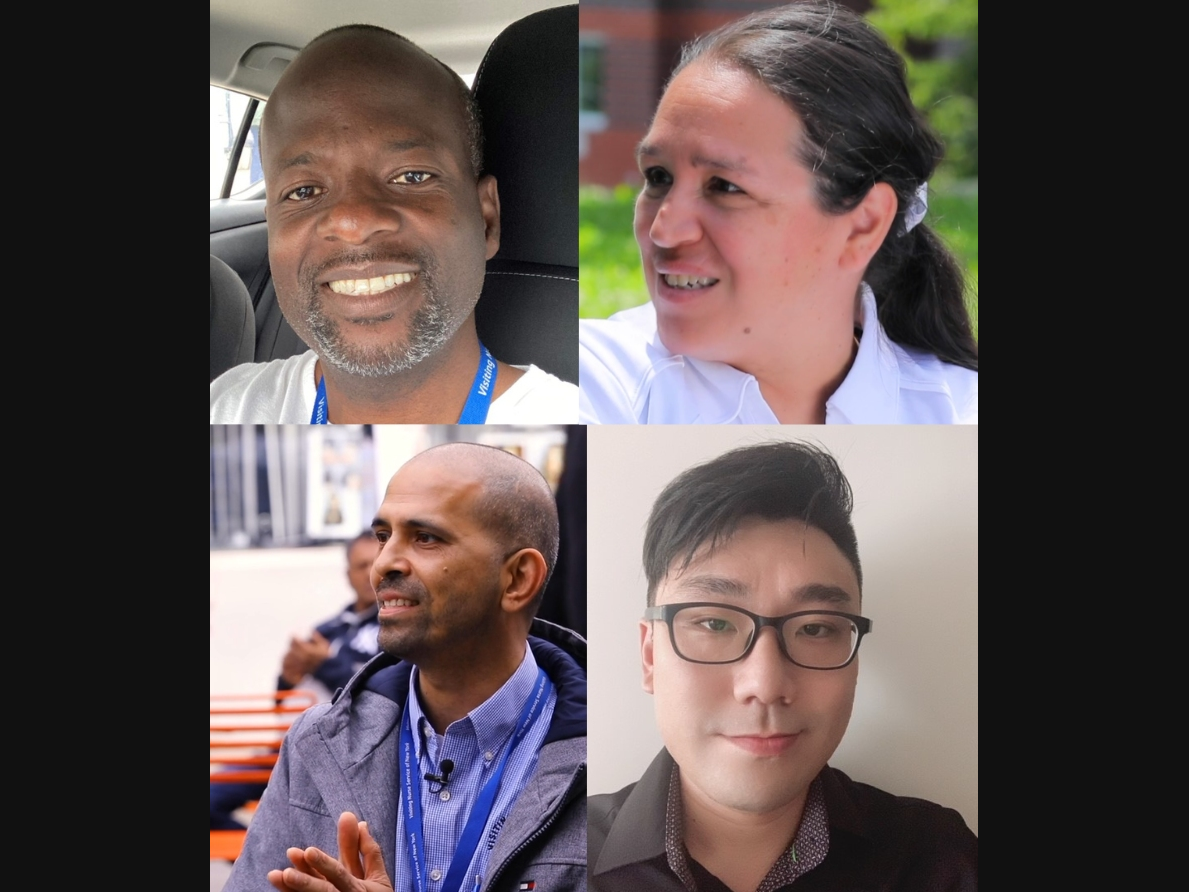
Across the city’s five boroughs, the Endangered Language Alliance estimates at least 600 languages are spoken, with Spanish one of the fastest growing. In the Bronx alone, 45% of residents speak Spanish at home. Clarissa Santos is a hospice home care nurse with VNS Health, and she works specifically with the Latinx and Hispanic communities in the Bronx. Clarissa has found that having a common language deepens the quality of care she can provide. In her role, being able to work closely with caregivers is especially important, since “hospice includes the entire family, not just the patient.” And as her colleague Fernando Otero, a spiritual counselor on her team notes, when dealing with end-of-life care, it’s also important that healthcare providers collaborate with leaders in the community. “We always work to respect the culture and the desires of the community, so we often work with people outside our team,” says Otero.
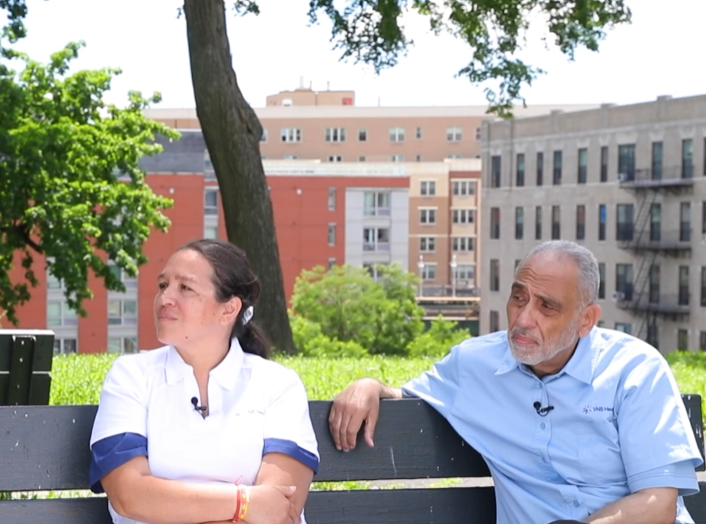
Healthcare workers in NYC who were once new immigrants themselves or who speak a variety of languages can bring unique perspectives to their work, allowing them to be more empathetic and cognizant of the challenges faced by their clients. For example, Wai Kiu Man, a social worker for VNS Health working in the Chinatown Neighborhood Naturally Occurring Retirement Community (NNORC) and the VNS Health Chinatown Community Center, moved to the US over ten years ago from Hong Kong. As someone who had to learn a new language himself in a new country, he is deeply knowledgeable of the fear and anxiety that many older Chinese people experience at dealing with a language barrier when it comes to their health. Not speaking the language means they can’t fill out required health forms, nor can they always speak with someone who can help.
Find out what's happening in New York Cityfor free with the latest updates from Patch.
In addition to easing the stress that comes with language barriers, having a diverse workforce is also about understanding cultural values and standards that many of these seniors hold firmly. “I am more conscious of these values. When we share the same culture, it is easier for me to open their mind, or even just to open their door,” says Wai Kiu, speaking of the reluctance some of his patients have towards seeking health care.
Even when they don’t share a common language with their patients, healthcare workers who were once new to the city understand better than anyone how challenging it is to communicate with people from different cultures. Letting someone into your home can make some people feel vulnerable during an already tough time, which is why Umesh Kadam, an occupational therapist with VNS Health, says patience is key for both the patient and the healthcare worker. Kadam, originally from India, works in Jackson Heights and Elmhurst, some of the most culturally diverse neighborhoods in the city, if not the world. He says that the more cultures he is exposed to, the better he gets at his job—and the more he enjoys it. “It makes everyday a new challenge, but it’s a good challenge!” he explains. Kadam offers the following advice for someone who wants to work in a diverse community: “Be generous with your time. This helps to show the patients you are willing to listen, as well as overcome preconceived notions and prejudices that exist in all of us.”
Find out what's happening in New York Cityfor free with the latest updates from Patch.
John Tawiah, raised in Ghana, now lives and works in the Morris Park section of the Bronx, a vibrant but often misunderstood community. John recalls the person who made him want to work with people struggling with behavioral issues and mental illnesses—a childhood friend who would disappear from their tiny town in Ghana and head into the forest, sometimes for days. She was labeled as “crazy” within her community. That is exactly what drives John’s efforts to eliminate the stigma around mental illness now as he works in the Bronx. He knows how valuable it can be to serve others in the same neighborhood you reside in. “Some of these communities are tough, but my experiences make me a stronger clinician,” he says.
All of the clinicians agree that customizing their care to the specific needs of a patient is crucial when working in home health, as there is never a one-size-fits-all approach. They have found the key is coming to a situation with the specific situation of their patient in mind. Having a care provider who is a neighbor, whether this means coming from the same community, the same culture, or just sharing the same experiences, can make a world of difference for New Yorkers looking for health care.
The VNS Health team reflects and represents the diversity of their patients and members and the communities they serve. Speaking more than 50 languages collectively and representing different genders, races and family structures, the VNS Health team embraces this diversity and how these unique talents and perspectives shape the organization every day. For more information, visit https://www.vnshealth.org/about/diversity-equity-inclusion/.