Politics & Government
New York's Child Sex Trafficking Laws Among Nation's Worst: Study
New York came second to last in a nationwide ranking of state laws to protect children from sex trafficking.


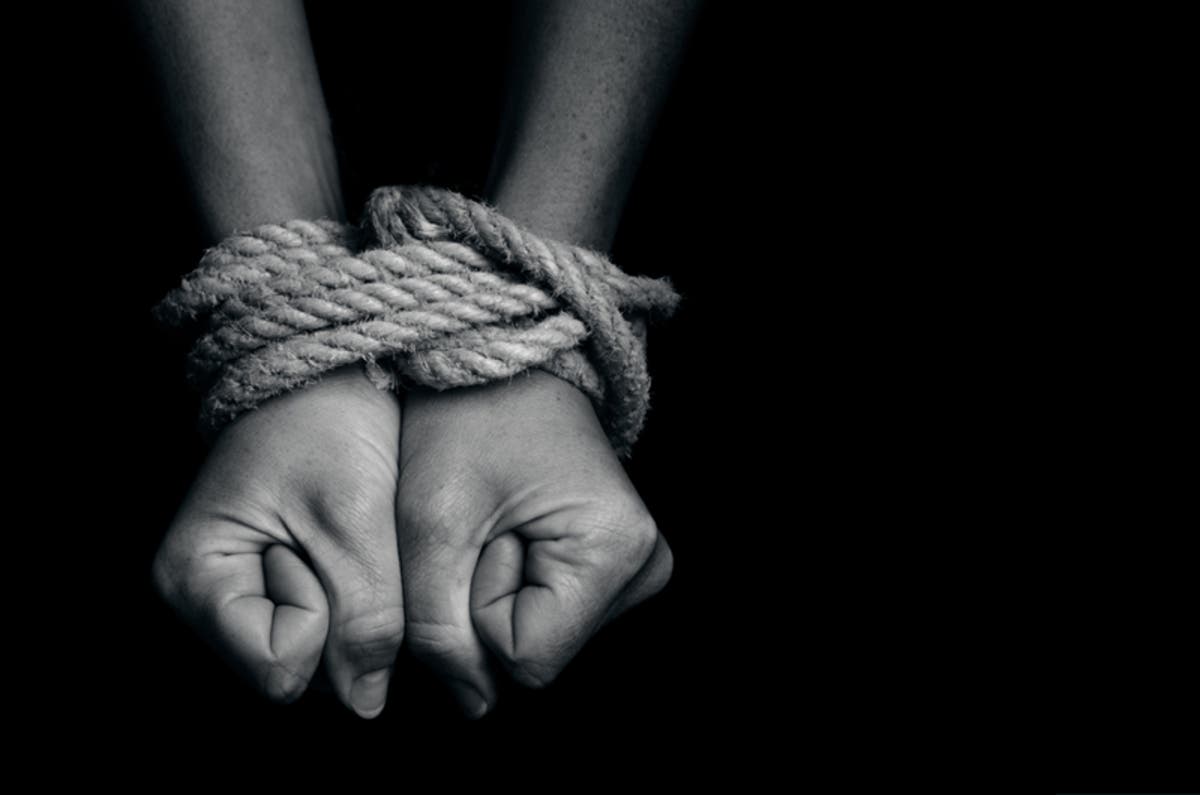
NEW YORK -- New York is the second worst state in the nation when it comes to laws protecting children from sex trafficking and providing victims justice, according to a new analysis.
New York was one of five U.S. states to receive a "D" for inadequate sex trafficking legislation from the nonprofit Shared Hope International, which released its annual report earlier this month.
“Every day in America, children are being bought and sold for sex,” the organization wrote in its report. “And they are waiting for you to notice.”
Find out what's happening in New York Cityfor free with the latest updates from Patch.
New York earned a 66 out of a possible 102.5, a low score beaten only by Maine's 60 points, on its report card that examined and ranked six criteria.
- Criminalization of domestic minor sex trafficking: 8.5 out of 10 possible points;
- Criminal provisions addressing demand: 14 out of 25 possible points;
- Criminal provisions for traffickers: 12.5 out of 15 possible points;
- Criminal provisions for facilitators: 9 out of 10 possible points;
- Protective provisions for child victims: 12 out of 27.5 possible points;
- Criminal justice tools for investigations and prosecution: 10 out of 15 possible points.
New York's laws scored lowest when it came to addressing demand and providing protection. Analysts pointed to strict punishments for minors and lax ones for buyers as the cause.
Find out what's happening in New York Cityfor free with the latest updates from Patch.
"The state sex trafficking law does not prohibit purchasing commercial sex with minors," the report reads. Yet, "Minors may be arrested for prostitution."
Other states receiving “D” ratings were New Mexico and South Dakota, with 69.5 points each; Wyoming with 68 points; and Maine with 60 points.
Overall, 10 states received an “A” and 25 received a “B” grade in 2018.
Domestic minor sex trafficking is a federal crime under the Trafficking Protection Act, which defines those in violation of the law as anyone who “recruits, entices, harbors, transports, provides, obtains, advertises, maintains, patronizes, or solicits by any means” a minor for the purpose of a commercial sex act.
According to the National Center for Missing and Exploited Children, one in seven endangered runaways in 2017 were likely child sex trafficking victims, and 88 percent of those children were in the care of social services or foster care when they went missing.
“Developing and enacting comprehensive non-criminalization laws requires a multi-year and multi-agency commitment, inclusive of input, buy-in, and contribution from a variety of stakeholders,” Shared Hope International concluded.
“Importantly, through expansive training and cultural changes, states should simultaneously seek policy, practice, and culture reform, ultimately shifting away from viewing and responding to commercially sexually exploited children as delinquent youth rather than as survivors of child sex trafficking.”
Read more about the report here.
Photo via Shutterstock
Get more local news delivered straight to your inbox. Sign up for free Patch newsletters and alerts.