Health & Fitness
NYC Marks 1-Year Anniversary Since Coronavirus Detected
More than 29,000 New Yorkers died of COVID-19 and 700,000 fell ill since the virus first hit the city one year ago.


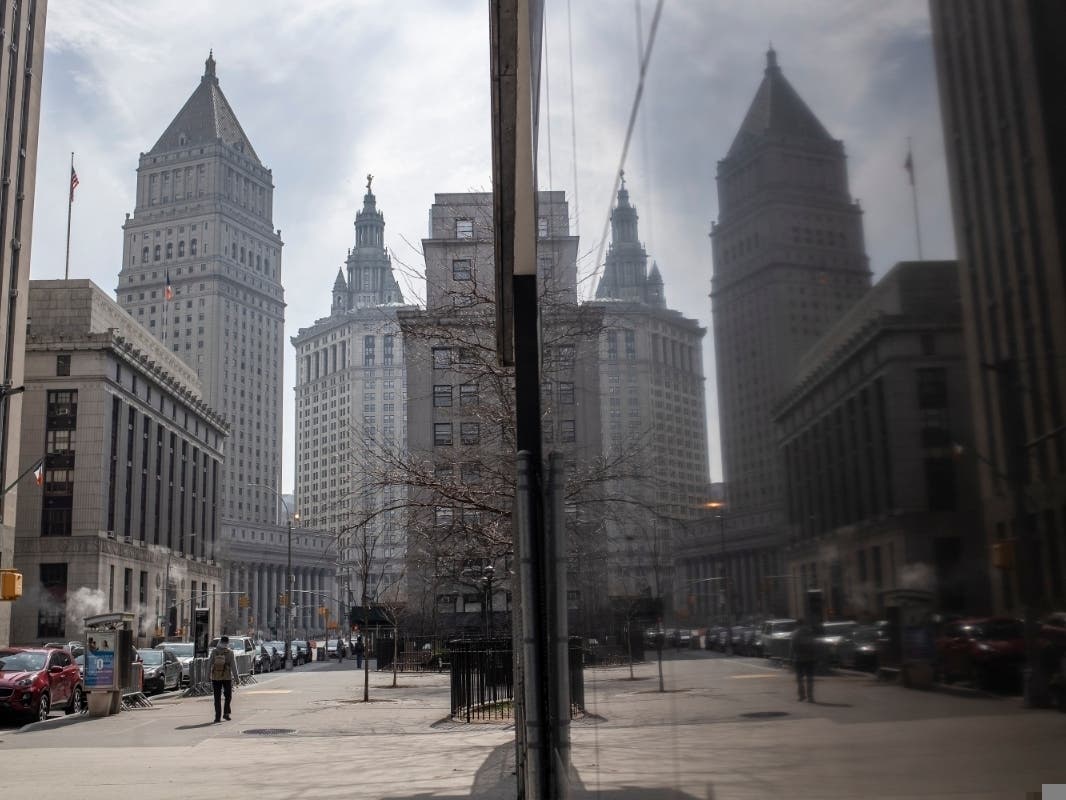
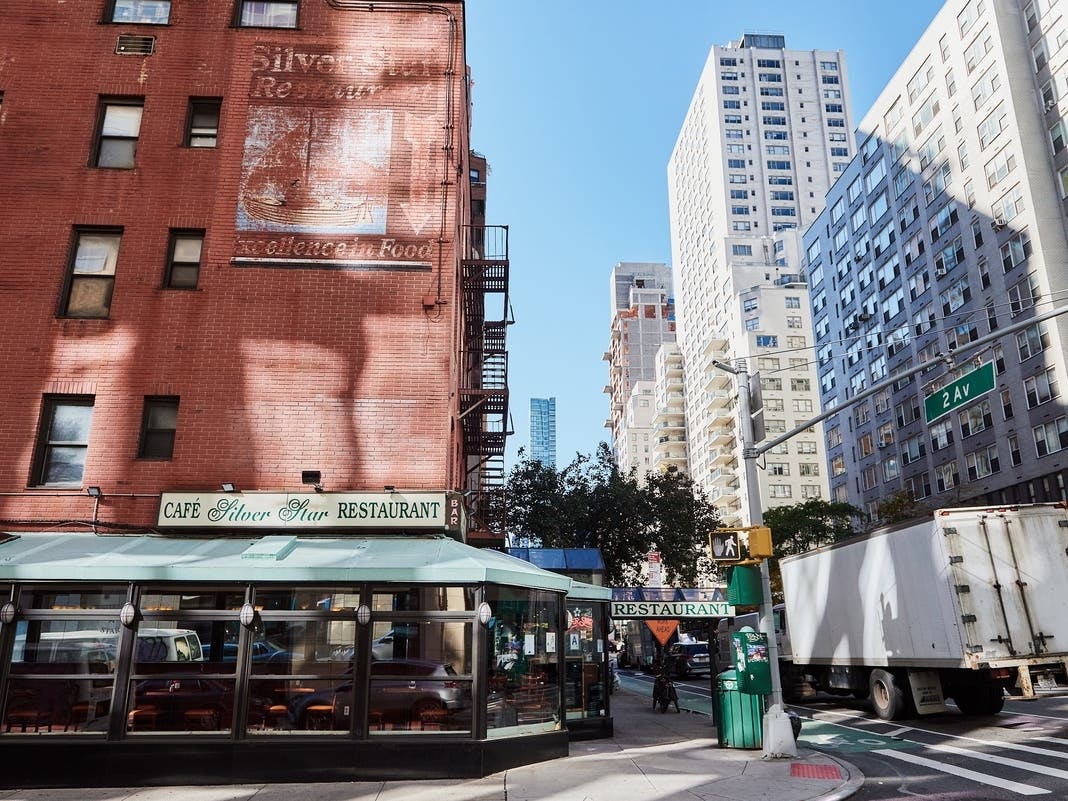
NEW YORK CITY — Unease hung over New York City.
Yet still, life burst from its seams. Subway riders scrambled for and crammed into last seats, Broadway's theaters creaked under the weight of sold-out crowds and bars swelled to standing-room-only capacity.
Everything was so swollen even the year had another day — it was Feb. 29, 2020.
Find out what's happening in New York Cityfor free with the latest updates from Patch.
Amid all the humdrum chaos that Leap Day, a laboratory test came back confirming all the whispered worries and lingering unease. It marked a dividing line where normal life ended and upheaval, pain and change followed.
The coronavirus had officially arrived in New York City. One year ago.
Find out what's happening in New York Cityfor free with the latest updates from Patch.
“It’s been the longest year in the history of New York City,” Mayor Bill de Blasio said Monday.
A Yearlong Countdown
Life in the age of COVID-19 is all about the numbers.
Positivity rates, hospitalizations, daily deaths, first and second doses and vaccinations are all part of daily life. Gov. Andrew Cuomo starts his near-daily coronavirus briefings by declaring how many days have passed since the crisis began.
For New York City, that day was March 1, 2020 — the first time city dwellers learned one of their neighbors was diagnosed with COVID-19. A point of time now 365 days away.
The case involved a 39-year-old health care worker who recently traveled to Iran. The virus likely arrived in early February and, once detected, it appeared to spread rapidly.
A single case ballooned to 155 by March 11, shortly after state lawmakers gave Cuomo emergency powers.
The city marked its first official death on March 14 — a day de Blasio declared will be a yearly "Day of Remembrance" for those lost in the pandemic.
Soon, Cuomo instituted lockdowns and restrictions that largely silenced the city we revisited on its last normal day. Bars and restaurants shuttered, Broadway lights dimmed, subways and buses emptied and millions of New Yorkers stayed inside.
Life slowly crept back to a semblance of normal, but the psychic toll from the coronavirus has been immense. Unmasked straphangers cause fear, barely-populated diners seem dangerous and face-to-face interactions often seem fraught.
And the toll in terms of life and suffering a year after the first detected case are staggering: 712,000 confirmed and probable cases, 89,000 hospitalizations and more than 29,000 deaths.
“This has been an incredibly long 365 days and there are more ahead, but New Yorkers have already shown unprecedented perseverance and toughness throughout this pandemic—now we just need to get to the light at the end of the tunnel,” Cuomo said in a statement.
Behind the Numbers
Bookended in the span of a year are millions of New Yorkers touched by the pandemic.
An Uber driver in Queens fell ill with the virus shortly after the first confirmed case. Soon, Elmhurst Hospital became inundated and overwhelmed with COVID-19 patients.
De Blasio on March 20 declared New York City the nation's "epicenter" of the coronavirus crisis. The hospital's home of Corona, Queens, was by an almost-unbelievable coincidence the neighborhood epicenter.
Elmhurst Hospital was in effect an epicenter within an epicenter within an epicenter.
Corona after a year still has the highest number of COVID-19 cases — 9,428 —of any ZIP Code in the city, according to data. Its 485 deaths are also the most in the city.
Queens had the most COVID-19 deaths of all boroughs, with 7,400. But Brooklyn had the most cases with 175,000.
In neighborhood after neighborhood, stark disparities over how they weathered the coronavirus are in plain view.
More affluent, largely-white neighborhoods like the West Village, the Upper East Side and Park Slope fared the best during the pandemic, though the virus still took a toll.
Lower-income communities and neighborhoods primarily populated by people of color like parts of Bed-Stuy, Crown Heights and Harlem.
But deaths claimed New Yorkers from across the city, from the beloved local bakery owner whose community couldn't be by his bedside as he died to loved ones who passed away in nursing homes to those who took their last breath on a hospital ventilator.
A New Number
A vaccine for the coronavirus seemed a faraway wish when the first case was detected. But within a year, two companies did the improbable.
Pfizer- and Moderna-developed vaccines have been going into New Yorkers' arms since Dec. 14 when Queens nurse Sandra Lindsay received her first shot.
Since then, 1.6 million doses of vaccine have been administered in New York City.
The day when life returns to normal — when subways, theaters, restaurants, museums and everything else in the city can swell to their fullest — is within sight.
Get more local news delivered straight to your inbox. Sign up for free Patch newsletters and alerts.