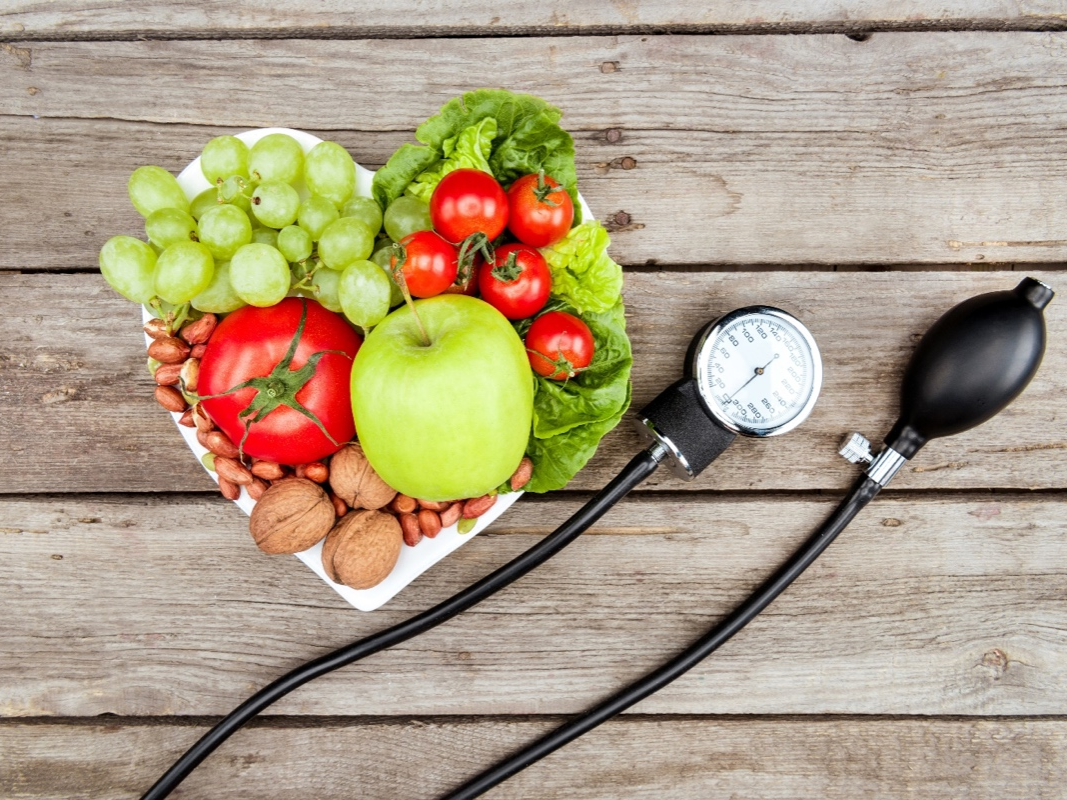
Heart disease is rapidly taking the lives of more people each year. There are numerous culprits here, including hypertension (high blood pressure), high cholesterol, and more. Modifying our diets is one of the most important steps we can take to prevent or reduce the likelihood of heart disease - and that’s where olive oil comes in.
We use oil for the preparation, and taste, of many dishes. However, some oils can contribute to hypertension if we don’t choose and use the right ones. Extra virgin olive oil is a healthy alternative to vegetable and other cooking oils. Why? Because extra virgin olive oils (EVOOs) naturally contain polyphenols. While these can’t prevent or cure hypertension, studies have shown that they possess reducing factors.
The health benefits aren’t found in the extra virgin olive oils themselves, but rather the phenolic components within them. This is why we must ensure we are purchasing high phenolic olive oils so as not to defeat the object.
Find out what's happening in New York Cityfor free with the latest updates from Patch.
“The health benefits of olive oil are 99% related to the presence of the phenolic components, not the oil itself.” – Nasir Malik, Research Plant Physiologist at the U.S. Department of Agriculture’s(USDA) Agricultural Research Service.
The problem with hypertension is that it is a “silent killer”. The body often shows no symptoms until the situation becomes severe. That’s why it’s so important to prevent or reduce it before it has a chance to worsen.
Find out what's happening in New York Cityfor free with the latest updates from Patch.
Polyphenols and Reducing Hypertension
Recent studies suggest that olive phenols are high in antioxidants, which means they are really good for arterial health. Polyphenols found in olives can increase the availability of healthy molecules, thus reducing the production of harmful ones.
That’s great, but how much polyphenols should I consume daily?
According to Meg Hagar, MS, RD, it all depends on how well the body absorbs nutrients. She continues that the average person should try to consume at least 650 milligrams a day. Studies also show that polyphenols not only assists in arterial health, but also have numerous other health benefits, including anti-aging.
During recent human trials, scientists have discovered benefits of polyphenols with regards to hypertension medication. Reminder - this does not mean that polyphenols cure heart disease or that you should stop using your high blood pressure medication. It is simply an indication that polyphenols have great health benefits and that we should incorporate them into our diets.
“The most important finding in this study is that the daily use of olive oil, about 40 grams per day, markedly reduces the dosage of blood pressure medication by about 50% in hypertensive patients on a previously stable drug dosage”. – L. Aldo Ferrara, MD, associate Professor Of Internal Medicine at the Frederico University of Naples.
Scientists suggest that through polyphenol consumption, some people suffering from hypertension are able to reduce their medication dosages. An Archives of Internal Medicine journal indicated that the polyphenols found in extra virgin olive oil help lower blood pressure by reducing nitric acid. Simply put, our blood pressure readings might be reduced after replacing other fats in our diet with phenol-rich olive oils.
Are you getting enough polyphenols each day?
Cherries, strawberries, red grapes, artichokes, and extra virgin olive oil, among other foods, all contain polyphenols. You don’t need to count each polyphenol to know you’re getting enough. Simply introduce more phenol-rich foods into your diet, and the rest will fall into place! That being said, there are specific olive oils you should put on your shopping list. Many store-bought extra virgin olive oils contain little to no polyphenols, so it’s important to purchase the correct one.
The Mediterranean diet can significantly reduce high blood pressure as it includes olive oil and green veggies, which are high in phenols when combined. Furthermore, studies have shown that olive oil with a high phenol count can enhance the absorption of carotenoids and other fat-soluble vitamins.
Once again, it is not the olive oil itself that has health benefits, but rather, the phenolic compounds found within them. Other oils such as sunflower and vegetable oils can actually make hypertension worse. That’s why it’s so crucial to incorporate “healthy oils” into your meals and cooking routines.
“Great, I’ll start drinking a cup of olive oil a day…!”
…Nope, that’s not at all necessary. One to four tablespoons of olive oil daily is plenty. You can drink it from a spoon, add it to your salad, or use it when preparing dinner. Plus, it tastes great! Lowering your high blood pressure now can have a massive impact on it in the future.
Just 12ml of olive oil a day keeps the cardiologist away. That’s only one tablespoon