Crime & Safety
Coyote Sighting In Congers
Clarkstown police remind residents of safety tips for dealing with neighborhood wildlife.


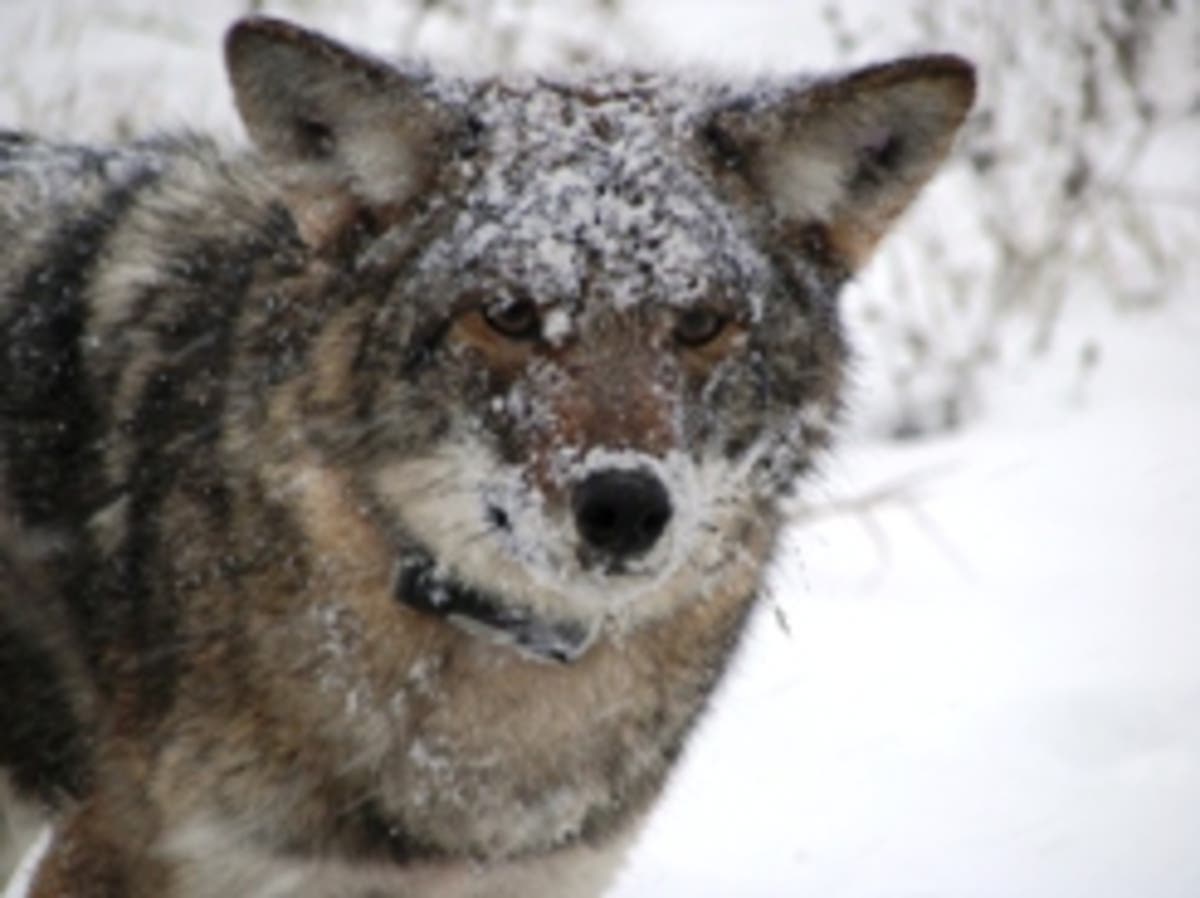
NEW CITY, NY — Clarkstown police are reminding residents about basic safety tips for living with wild animals in the neighborhood. An eastern coyote was caught on camera in Congers.
Eastern coyotes look similar to German shepherd dogs, at half the weight, according to the New York State Department of Environmental Conservation. Eastern coyotes are relatively new to the Hudson Valley. Researchers think they extended their range from north central North America throughout the continent in response to human changes to the land and that they reached New York in the early 1930s and 1940s.
They are a hybrid of coyote, wolf and dog — and the genetic make-up changes from region to region. Scientists disagree about whether to call the hybrid "coywolf" or "eastern coyote." They do agree that the animals are still evolving.
Find out what's happening in New Cityfor free with the latest updates from Patch.
According to the DEC, a recent study conducted by researchers at Cornell University studied eastern coyote behavior and ecology in the suburbs. Coyotes may be seen in the daytime but are more active after sunset and at night. Despite close proximity to people, coyotes seldom consume human sources of food such as bird seed, garbage, and outdoor pets.
Researchers found suburban New Yorkers were relatively well aware of coyotes around them. While many observed coyotes occasionally near their homes, few people (4 percent) actually reported having a problem with a coyote, and an even smaller proportion of people indicated a coyote approached, threatened or attacked a pet or person, the DEC said.
Find out what's happening in New Cityfor free with the latest updates from Patch.
Here are tips from the DEC. Below, see tips from the Clarkstown Police Department.
- Do not feed coyotes and discourage others from doing so
- Unintentional food sources attract coyotes and other wildlife and increase risks to people and pets. To reduce risks:
- Do not feed pets outside.
- Make any garbage inaccessible to coyotes and other animals.
- Eliminate availability of bird seed. Concentrations of birds and rodents that come to feeders can attract coyotes. If you see a coyote near your birdfeeder, clean up waste seed and spillage to remove the attractant.
- Do not allow coyotes to approach people or pets.
- Teach children to appreciate coyotes from a distance.
- If you see a coyote, be aggressive in your behavior - stand tall and hold arms out to look large. If a coyote lingers for too long, then make loud noises, wave your arms, throw sticks and stones.
- Do not allow pets to run free. Supervise all outdoor pets to keep them safe from coyotes and other wildlife, especially at sunset and at night.
- Regulated hunting and trapping increases the "fear" coyotes have towards people.
- Fencing your yard may deter coyotes. The fence should be tight to the ground, preferably extending six inches below ground level, and taller than 4 feet.
- Remove brush and tall grass from around your property to reduce protective cover for coyotes. Coyotes are typically secretive and like areas where they can hide.
- Contact your local police department and NYSDEC regional office for assistance if you notice that coyotes are exhibiting "bold" behaviors and have little or no fear of people.
- Ask your neighbors to follow these same steps.
For more information to reduce or prevent risks see "Dealing with Coyote Conflicts".
PHOTO: Eastern coyote/ NYSDEC
Get more local news delivered straight to your inbox. Sign up for free Patch newsletters and alerts.