Health & Fitness
Fight Mosquitoes At Home In The Hudson Valley
With all this rain, mosquitoes are abnormally active this summer.


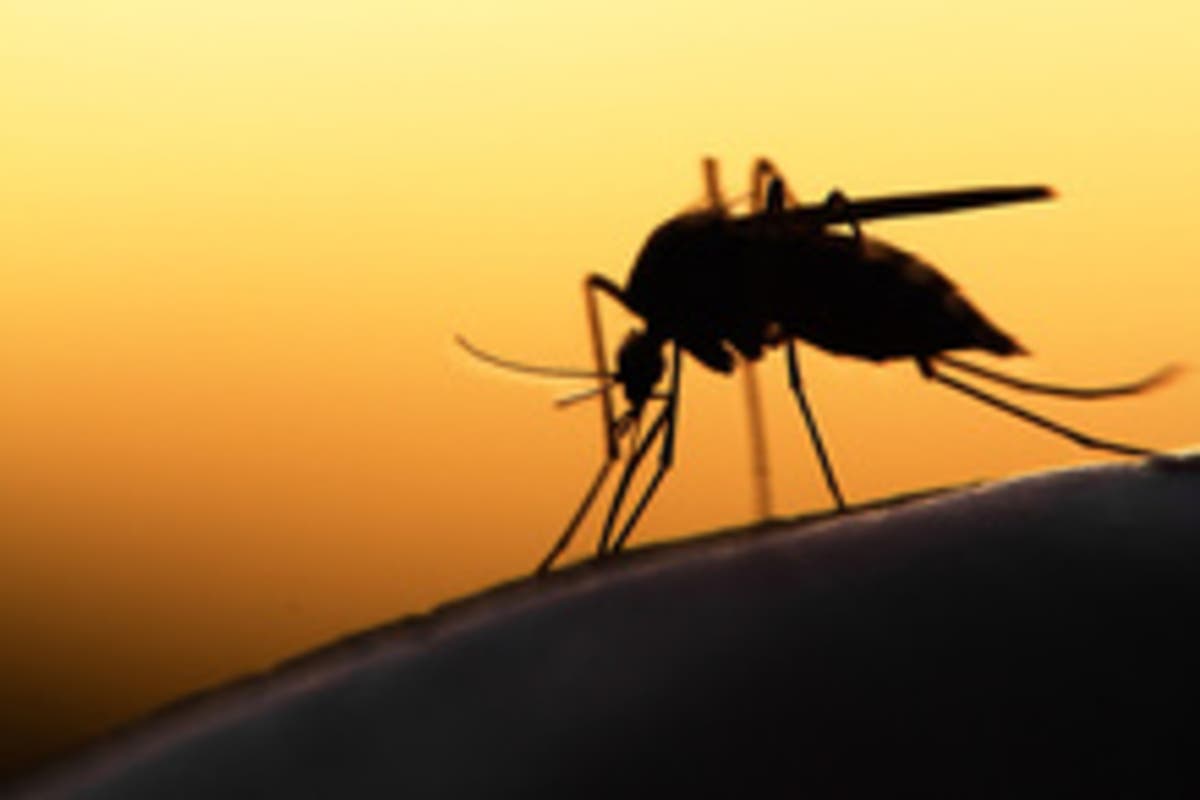
HUDSON VALLEY, NY — Mosquitoes are pestering us at two to three times their normal rate for the end of July, according to the National Pest Management Association. That's because of all the rain that keeps falling.
There has been increased mosquito activity all along the East Coast this season, Dr. Jim Fredericks, the chief entomologist for the NPMA, told AccuWeather.com.
SEE ALSO:
Find out what's happening in New Cityfor free with the latest updates from Patch.
- West Nile-Infected Mosquitoes Found In Rockland County
- West Nile-Infected Mosquitoes Found In Westchester
- New York City Confirms First Human Case of West Nile Virus This Year
- 'Rapid Build-Up Of West Nile Virus Activity' Occurring In CT
You can actually help, here.
“Mosquitoes are still looking for places to lay their eggs. But often times, the only places where this is standing water left is around structures and around homes,” Fredericks said.
Find out what's happening in New Cityfor free with the latest updates from Patch.
So the method is simple: get rid of any standing water around your house and yard to help prevent mosquitoes from breeding on your property.
Mosquitoes lay their eggs in or near water, and their offspring "grow up" in water before emerging as adults that fly and bite. Many types of mosquitoes, including those that can spread disease, lay their eggs in the smallest amounts of stagnant (still) water around the home.
We're talking tiny amounts: water in bottle caps, unused flowerpots, discarded tires, toys and play equipment; as well as in small ponds, birdbaths or other bodies of stagnant water.
"Even small items, such as drinking cups or soda cans, can produce mosquitoes. Get rid of the items or empty the water out and scrub the inside of the item at least once a week," said Rockland County Health Commissioner Dr. Patricia Schnabel Ruppert.
In addition, follow these tips from Rockland health officials to help prevent mosquitoes from breeding on your property:
- Drill drain holes in the bottoms of recycling containers, turn over wading pools and wheelbarrows when not in use, and remove all discarded tires.
- If you have a swimming pool or spa that is not in use, drain the water off the cover or treat this standing water with Mosquito Dunks®.
- Tightly cover water storage containers (buckets, cisterns, rain barrels) so that mosquitoes cannot get inside to lay eggs. For containers without lids, use wire mesh with holes smaller than an adult mosquito.
- Use an outdoor flying insect spray where mosquitoes rest. Mosquitoes rest in dark, humid areas like under patio furniture, or under the carport or garage. When using insecticides, always follow label instructions.
- If you have a septic tank, repair cracks or gaps. Cover open vent or plumbing pipes. Use wire mesh with holes smaller than an adult mosquito.
- Make sure that roof gutters drain properly, clear vegetation and debris from the edges of ponds, and remove leaf debris from yards and gardens.
Most mosquitoes are not infected with disease-causing viruses. However, to reduce your risk of being bitten, take the following steps:
- Cover up as completely as possible. Wear shoes and socks, long pants and a long-sleeved shirt when outdoors for long periods or when mosquitoes are more active.
- Use mosquito repellent, which should always be applied according to label directions. Do not use repellent on babies younger than 2 months old. Do not use products containing oil of lemon eucalyptus (OLE) or para-menthane-diol (PMD) on children younger than 3 years old.
- Cover baby carriers with mosquito netting when outside.
- Stay indoors when mosquitoes are more active.
- Close doors and make sure all windows and doors have screens, and that the screens do not have rips, tears or holes.
Photo credit: Shutterstock
(For more health stories, sign up for Patch’s daily newsletter, news alerts and updates.)
Get more local news delivered straight to your inbox. Sign up for free Patch newsletters and alerts.