Health & Fitness
The Facts About Autism and Vaccines
What parents should know about the link between autism and vaccinations.

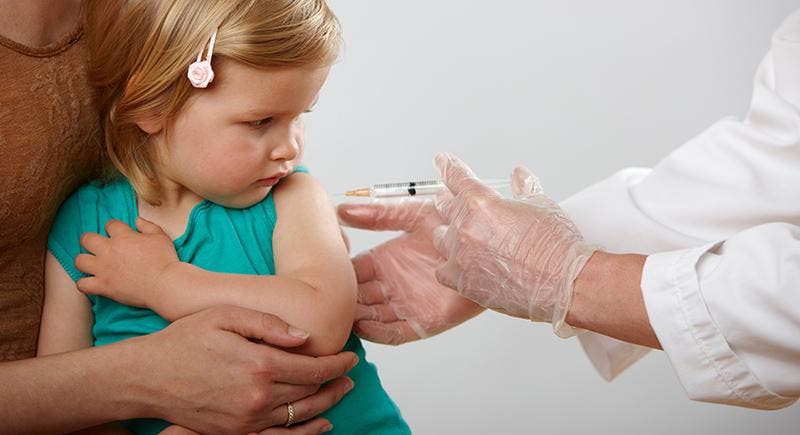
The controversial film ‘Vaxxed’ alleges that the Center for Disease Control and Prevention (CDC) omitted key information in its report about the link between autism and vaccinations.
The notion of vaccinations causing autism has been widely discredited by the medical and scientific communities and the film was pulled from the Tribeca Film Festival amidst significant backlash.
Unfortunately, the ongoing confusion surrounding this issue doesn’t seem to be going away. According to 2015 data from the Pew Research Center, which polled 1,003 adults, 15 percent of those ages 18 to 29 said vaccinations are unsafe. People 50-years-old and older felt more certain vaccines were safe, the data showed. This comes despite mounting evidence debunking any link between vaccinations and autism.
Find out what's happening in New Hyde Parkfor free with the latest updates from Patch.
Why it’s important to vaccinate
Vaccines control the spread of disease
Find out what's happening in New Hyde Parkfor free with the latest updates from Patch.
Thanks to vaccinations, the United States declared that measles had been eradicated in 2000. The CDC found in 2015 that there were 189 people in the U.S. who reported having measles. Most of those people had not been vaccinated, the CDC said. Last year, part of the measles outbreak was linked to an amusement park in California where perhaps one person with the measles, who may have been from another country, helped to spread the disease, the CDC said.
In order for vaccinations to be as effective as possible, many, if not all, people need to receive these shots. In 2014, there was an increased incidence of measles because of the lack of vaccinations and a decrease in herd immunity, which is the vast majority of people being immune to a disease.
Refusing to vaccinate is dangerous
“While some with up-to-date immunizations might get infected by measles (the small group that doesn't develop immunity, the immunosuppressed and infants who are too young for vaccination), those who are at greatest risk are children whose parents refused vaccination,” wrote Bruce Farber, MD, chief of infectious diseases at LIJ Medical Center and North Shore University Hospital, in a blog post. He continued, “Lack of universal immunization also poses a greater threat--one that could affect the children of today's unvaccinated youth. For a variety of reasons, there is no inoculation against measles alone. Rather, pharmaceutical manufacturers bundle the measles, mumps and rubella vaccines into one injection (commonly called MMR). Therefore, a lack of immunization to measles also means lack of immunization to mumps and rubella.”
There are serious effects from getting diseases that can be vaccinated against, such as mumps and rubella. Rubella causes lots of severe congenital abnormalities, including prematurity, blindness, deafness, heart defects, developmental delays, hepatitis, blood abnormalities and others, Dr. Farber wrote. Mumps can cause encephalitis and permanent sterility, he added.
There are serious effects from getting diseases that can be vaccinated against, such as mumps and rubella. - Bruce Farber, MD
There are some potential side effects from vaccinations, although most are considered mild, such as a sore arm. People can review the side effects of vaccines on this CDC website.
The CDC’s position on autism and vaccines
The incidence of Autism in children has increased from about one in 150 kids to one in 68 from 2000 through 2010, according to the CDC. The group notes that Autism could be related to a chromosomal abnormality, the age of a person’s parents at the time of birth, or low birth weight or premature birth.
When asked for a comment on the current controversy surrounding “Vaxxed,” the CDC told us: “CDC shares with parents and others great concern about the number of children with autism spectrum disorder.
CDC is committed to continuing to provide essential data on autism, search for factors that put children at risk for autism, and look for possible causes. While doing so, we work to develop resources that help identify children with autism as early as possible so they can benefit from intervention services”
Parents with further concerns should check out the following resources:
CDC studies on vaccines and austism
CDC vaccine safety concerns