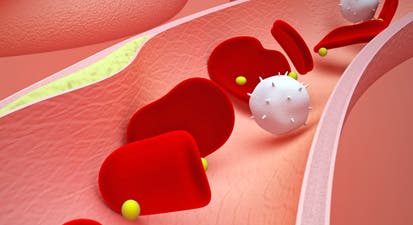
The word cholesterol is tossed around a lot, but how does high cholesterol impact your body?
“High cholesterol is a major risk factor for heart disease,” said Stacey Rosen, MD, vice president of women’s health at the Katz Institute for Women’s Health. “Inside a person’s artery, there is live and active tissue, called the endothelium. Deposits in the artery not only can create a blockage but they can also make this tissue unhealthy.”
Some things people can do to lower their cholesterol include having an acceptable body mass index (BMI) and eating a diet filled with fruits, vegetables, whole grains and low-fat dairy, she says. Dr. Rosen recommends people limit their red meat consumption and avoid sugary drinks, as well as get more exercise.
Find out what's happening in New Hyde Parkfor free with the latest updates from Patch.
“People should increase their physical activity to lower their cholesterol,” Dr. Rosen said. “This doesn’t mean that someone has to sign up for a gym membership or buy fancy clothes. But people can look at the activities they like to do and do those a little longer. It may mean walking the dog for an extra 10 minutes. Ideally, each of us should aim for 150 minutes of activity each week that can be divided into 10 minute intervals.”
People who cannot lower their cholesterol through these means are sometimes put on a medication called statins. Typically, the way a physician determines whether a person should be on statins is if the person has already had a cardiac event; has an LDL or bad cholesterol number or 190 or higher; or if the person has diabetes and an LDL of 170 or greater. In the American College of Cardiology and American Heart Association’s 2013 guidelines about cholesterol and heart health, they created an ASCVD calculator that looks more holistically at a person’s risk of heart disease, Dr. Rosen said.
Find out what's happening in New Hyde Parkfor free with the latest updates from Patch.
“There are some concerns in our communities about the side effects of statins. People who have concerns should talk to their physician and appropriately weigh the risks and benefits in a manner that is customized to their individual needs.”
Another risk factor for heart disease is diabetes.
“Diabetes is often considered a heart disease equivalent,” Dr. Rosen said. “So even though someone might not have had a cardiac event, the person is considered almost the same as if they had had one. This is why it’s important for people with diabetes to monitor their food choices, manage their blood sugars and take an active approach to maintaining heart health.”