Community Corner
2020: NY Pandemic Kicks Off With Superspreader Event, Shutdown
After 10 months, a business owner at the epicenter is among the many looking back at the outbreak and forward to an uncertain future.


NEW ROCHELLE, NY — New York's coronavirus outbreak first surfaced in a tree-lined Hudson Valley neighborhood, the site of the state's first superspreader event, first hot spot and first shutdown.
A New Rochelle man who attended three large events at his synagogue in February was the second New Yorker to be hospitalized with COVID-19. By the beginning of March, more than 100 people connected to those events or to him, including other guests, neighbors, family, the rabbi and members of the catering staff, tested positive for the virus. It was the first of many pandemic issues in the Orthodox Jewish communities in the Hudson Valley and Brooklyn, where infection rates were high and disregard for state mandates persisted all year, and a fight over gatherings in synagogues went all the way to the Supreme Court.
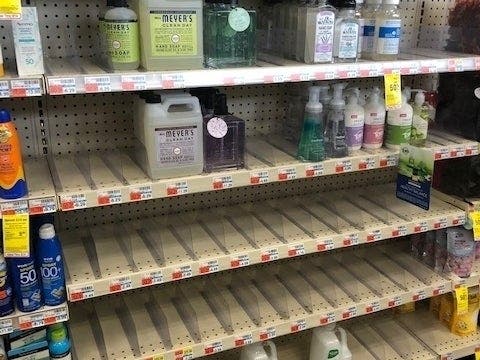
Patch visited the Wykagyl neighborhood March 10, the day state health officials shut it down. The usually bustling retail strip at the center of the hot spot had already gone very, very quiet, as people had bought all the hand sanitizer and toilet paper and then stopped shopping. Mario Salvo, son of the owner of Deanna's Pizzeria, was dreading possible closures.
Find out what's happening in New Rochellefor free with the latest updates from Patch.
Find out what's happening in New Rochellefor free with the latest updates from Patch.
At the time, there were 173 confirmed cases of the virus in New York, and the cluster of cases in New Rochelle was the largest in the United States, Gov. Andrew Cuomo said. The day before, there were more than 500 confirmed cases countrywide, according to the disease trackers at Johns Hopkins University.
Ten months later, the United States reported more than 19.5 million cases and more than 338,600 deaths.
The New Rochelle containment zone was the prequel to NY On Pause, when schools, businesses, houses of worship, playgrounds and parks shut down everywhere. It was also the precursor to New York's micro-cluster system, which mandates restrictions in communities where the positive test rate is higher than average.
State officials even sent in the Army National Guard to help with their first big drive-thru coronavirus test center and take meals to New Rochelle residents in quarantine and needy children suddenly without school breakfasts or lunches.
Ten months later, much of New Rochelle is again dealing with restrictions, as part of the city is designated a yellow-level micro-cluster.
"The challenges of the past 10 months have been unprecedented and sometimes overwhelming," Mayor Noam Bramson, whose administration worked frantically on a Tuesday afternoon in March to cope with the sudden containment-zone shutdown, told Patch. "I remain proud of the strength and resilience demonstrated by our community."
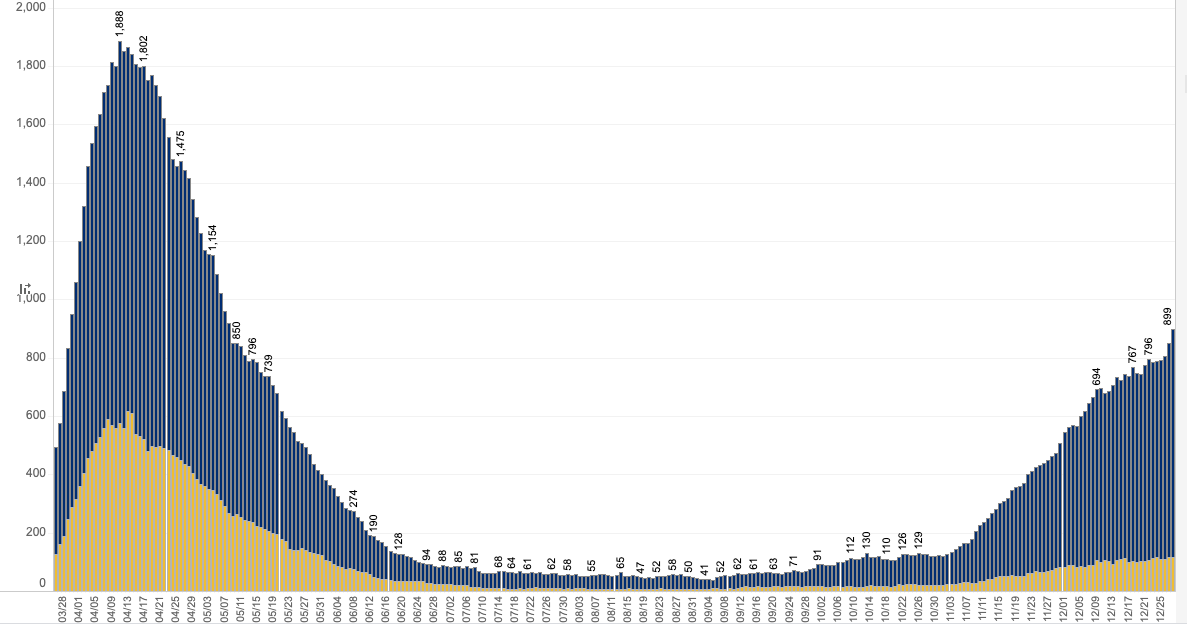
The Hudson Valley weathered the intense days of March and April, and then in the fall began coping with the second wave.
The owner of Deanna's, Michael Salvo, said it's been very hard. "We had to change the way we operate," he told Patch.
The restaurant instituted no-contact pickup and delivery. They stopped taking cash. Trying to keep the business going and help the community at the same time, they delivered food every day to the National Guard, schools, the police department and the hospital. In the summer, they tried something new: a Friday night takeout lobster dinner.
"It was an idea to give people at home something different," Salvo said. "It was fun. We'll do it again."
As 2020 comes to an end, business is still down 25-30 percent, and it costs more now to operate, with extra precautions and extra help, Salvo said. Still, he has hope for 2021. "I'm hoping with the vaccine, people feel more comfortable," he said. "Right now people are not confident at all."
His biggest fear is personal. "I don't want my parents to get (the virus)," he said. "I deal with the public every day, I don't want to get it and give it to them."
Get more local news delivered straight to your inbox. Sign up for free Patch newsletters and alerts.