Community Corner
Cuomo Fights Patient Brokers Preying On Addicts Seeking Help
"All too often, families are getting their kids back in pine boxes, along with a bill for $100,000." — Jeffrey Reynolds.


Gov. Andrew Cuomo unveiled a plan Wednesday aimed at cracking down on "patient brokering," where brokers collect payments from addiction treatment providers in exchange for referring patients to those programs.
According to experts, desperate and vulnerable families are promised life-saving treatment programs in beautiful, out of state locations, spending thousands of dollars and praying for help but, instead, are finding themselves brokenhearted after they end up ripped off, their precious loved ones sometimes lost forever into the throes of addiction — or dead as the result of lethal overdoses.
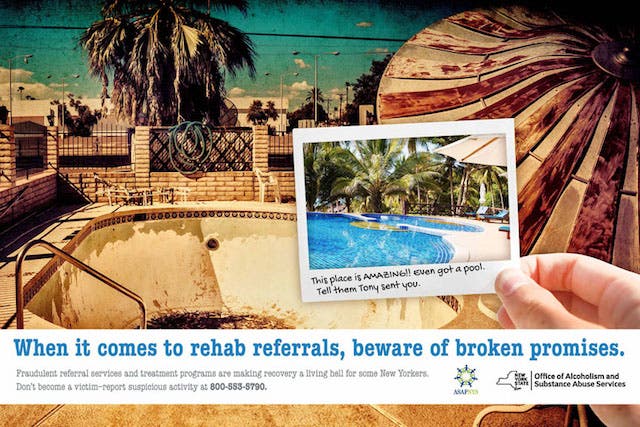
The campaign, Cuomo said, warns New Yorkers about the fraudulent practice and urges that the brokers be reported.
Find out what's happening in North Forkfor free with the latest updates from Patch.
Owners of sober homes can often get cash kickbacks for referrals from treatment providers, and the illegal practice preys upon those battling the opioid crisis who may have private insurance and find themselves targeted, experts say.
"Vulnerable New Yorkers struggling with addiction are being targeted and falsely promised life-saving treatment services and then are given inadequate and ineffective treatment at outrageous costs," Cuomo said. "With this campaign, we make it clear that this reprehensible practice will not be tolerated in New York and will help ensure that people receive the appropriate assistance they need to reclaim their lives."
Find out what's happening in North Forkfor free with the latest updates from Patch.
Jeffrey Reynolds, president and chief executive officer of the Family and Children's Association in Mineola spoke to Patch Wednesday about the critical need for awareness and said the problem has become increasingly common. “Long Island has become ground zero for patient brokering with out-of-state facilities targeting families in crisis," he said. "There are individuals and organizations that are being paid commissions of $3,000 and $5,000 to deliver sick kids to substandard treatment facilities in Florida, California and Texas," he said.
And, Reynolds, said, what began as a promise of hope can end in heartbreak.
"All too often, families are getting their kids back in pine boxes, along with a bill for $100,000. These families are extremely vulnerable and would do anything to keep their loved one alive; that they’ve become prey for so-called ‘treatment consultants’ is unconscionable. I’m thankful that the governor is taking action in this and I hope lawmakers will soon make this kind a predatory behavior a felony with huge fines and possible jail time," he said.
Tracey Farrell, a Rocky Point mom who lost her beloved son Kevin to a heroin overdose when he was just 26, said her daughter also struggled with addiction. In the years since her son's death, Farrell found comfort in creating "On Kevin's Wings — Hope Takes Flight", a not-for-profit that raises funds to help provide airfare and a means for those struggling with addiction to find help. Farrell also serves on the advisory board of Families in Support of Treatment, or FIST, with executive director Anthony Rizzuto.
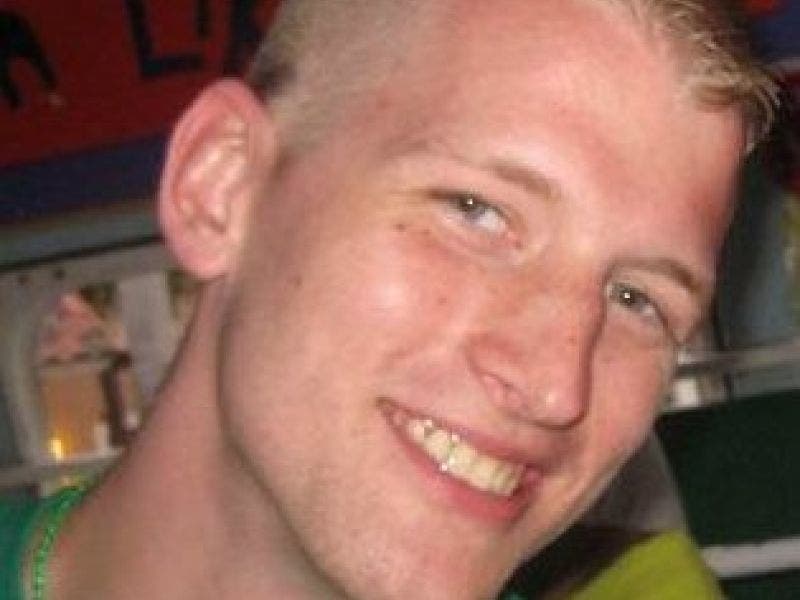
Farrell spoke to Patch about patient brokering.
"As the mother of a child who truly benefited from sending her daughter out of state, I implore that you do the legwork yourself on a facility," she said. "Use solid recommendations, check with the state the facility is located in and do not send your loved one anywhere with promises of them obtaining insurance for them, offering a free flight or any other incentives."
The number of homeless, substance abusing individuals out of state is at all time high, as is prostitution, Farrell said.
"People leave their state and often walk out of treatment when they find out it was not what they were promised," she said.
Her foundation, On Kevin's — Hopes Take Flight, helps to fund transportation to those seeking treatment away from home.
"For those of us on Long Island, away from home can mean a facility upstate, which still offers a quality facility and gets the individual removed from the triggers that keeps them using at home. I've had instances where transportation has been requested to help a now homeless individual return home, as well — as a result of patient brokering. As family members we are desperate for our loved ones to get help — but do not fall for something that sounds to good to be true."
The campaign, Cuomo said, was developed through a collaboration between the New York State Office of Alcoholism and Substance Abuse Services and the New York Association of Alcoholism and Substance Abuse Providers and features posters encouraging people to report patient brokering activities to OASAS.
The awareness campaign is one of several initiatives aimed at stopping patient brokering; OASAS recently issued a directive that requires referrals to be delivered by OASAS-certified and -credentialed professionals, who are prohibited from receiving referral fees. New Yorkers can report suspicious activity by calling 1-800-553-5790 or emailing StopTreatmentFraud@oasas.ny.gov, Cuomo said in a release.
OASAS Commissioner Arlene González-Sánchez spoke out after Cuomo announced the plan: "Making the decision to seek treatment is a critical first step for many people with substance use disorders and their families. Their bravery needs to be rewarded with the services that can best help them get on the road to recovery."
New Yorkers struggling with an addiction, or whose loved ones are struggling, can call the state's toll-free, 24-hour, 7-day-a-week HOPEline at 1-877-8-HOPENY (1-877-846-7369) or by texting HOPENY (Short Code 467369).
In addition, available addiction treatment including crisis/detox, inpatient, community residence, or outpatient care can be found using the NYS OASAS Treatment Availability Dashboard by clicking here or through the NYS OASAS website. Click here to learn more about the warning signs of addiction, review information on how to get help, and access resources on how to facilitate conversations with loved ones and communities about addiction. For tools to use in talking to a young person about preventing alcohol or drug use, click here.
Patch courtesy photos, video.
Get more local news delivered straight to your inbox. Sign up for free Patch newsletters and alerts.