Health & Fitness
Medical Student From Fort Salonga Targets Cancer Treatment
He spent his summer researching cancer treatments at Cold Spring Harbor Laboratory.


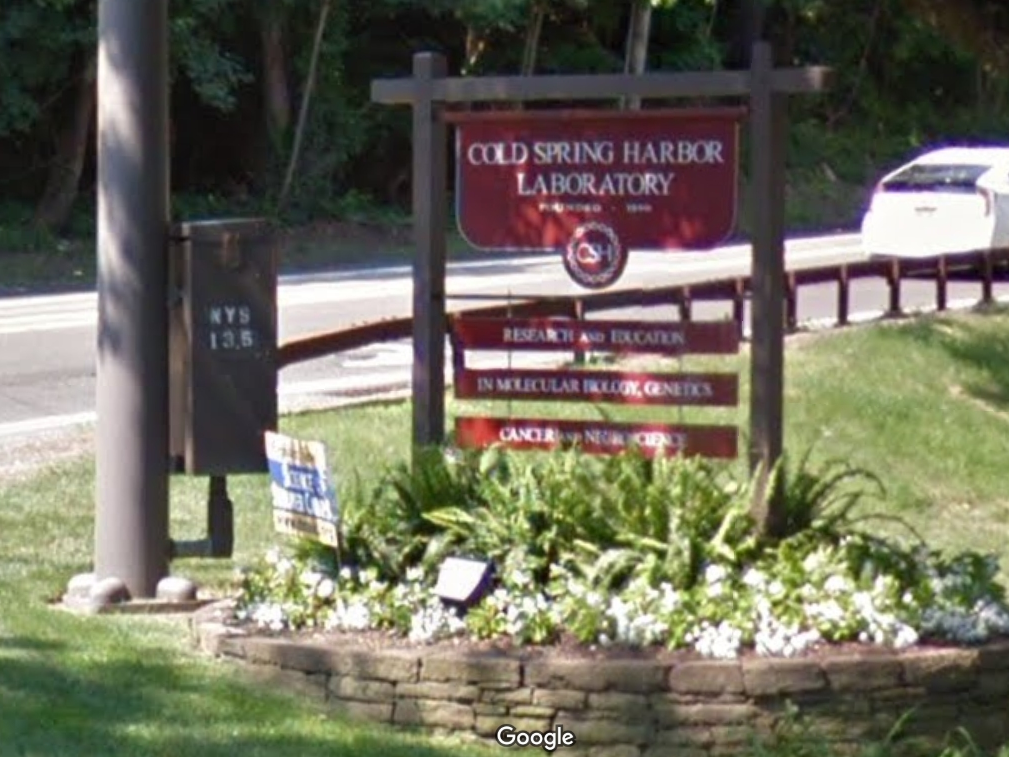
HUNTINGTON, NY — Some medical students took a break from their research this summer. Connor Abramowicz of Fort Salonga, a student at NYIT College of Osteopathic Medicine (NYITCOM), spent his researching cancer treatments at the birthplace of DNA's double helix: Cold Spring Harbor Laboratory in Cold Spring Harbor, according to a press release from NYIT.
Having grown up on Long Island's north shore, Abramowicz's family would often visit Cold Spring Harbor Laboratory's science expositions. So when his application to be part of an investigation at the historic research lab was accepted, he took full advantage of the opportunity. Abramowicz joined the research lab of Jason Sheltzer, Ph.D., who studies aneuploid tumors, tumors with cells containing the wrong number of chromosomes.
"Dr. Sheltzer wanted the perspective of a medical student, as most of the people in the lab came from a research background," Abramowicz said. "I was extremely lucky to be offered a position at such a prestigious institution."
Find out what's happening in Northportfor free with the latest updates from Patch.
In their study published in Science Translational Medicine, the researchers wanted to understand why the failure rate is so high to determine how future therapies, specifically targeted cancer therapies, could be more effective.
When a new drug is tested in a clinical trial for a particular type of cancer, it doesn't make it to market 97 percent of the time. However, the reasons why so many of these drugs fail is not well understood.
Find out what's happening in Northportfor free with the latest updates from Patch.
The researchers discovered, in the case of targeted cancer therapies, that the treatments may not be hitting their intended targets. Unlike other cancer treatments like chemotherapy, targeted therapies, which are used to treat many common cancers such as breast cancer, are meant to be aimed at the particular genes, proteins, or tissues that cancer cells need to grow and thrive.
The researchers used CRISPR-Cas9 mutagenesis, considered the gold standard of genome editing tools, to see whether 10 different targeted treatments were working. They found that the drugs were not effective because they were missing the mark and targeting proteins not essential for cancer cell proliferation- also known as as off-target toxicity.
Their work suggests that one of the reasons why some targeted treatments may fail in clinical trials is because the drugs are not properly designed. The researchers believe their study will spur more investigations into why so many cancer drugs are ineffective, with the hope that their work will pave the way for better treatments.
Abramowicz found the research inspiring, as he hopes to become an oncologist.
"Cancer treatment is an extremely important topic in modern medicine because it's one of the few diseases that we're still trying to treat effectively," he said. "Knowing what each cancer medication does in terms of its mechanism of action is important in producing a well-rounded medication profile."
Get more local news delivered straight to your inbox. Sign up for free Patch newsletters and alerts.