Community Corner
Defending Your Car from Winter for the Next 6 Weeks: Tips from Triple A
With high temperatures in the teens on Monday in Nyack, the groundhog might not even come out.


By Patch Staff
AAA has the know-how to help you get your car through the rest of the winter.
“When temperatures plummet, automotive failures skyrocket. Calls for battery jump starts and assistance with frozen locks are the top ranked reasons for calls to AAA,” said John B. Townsend II, AAA Mid-Atlantic’s Manager of Public and Government Affairs. “In frigid weather like this, weak car batteries are the first to go, so it’s worth having your battery checked – and if you’ve postponed vehicle maintenance, now is the time to take care of it.”
Find out what's happening in Nyack-Piermontfor free with the latest updates from Patch.
Warning signs that you are at risk for a battery-related breakdown include the following:
- You hear a grinding or clicking sound when you turn on the ignition,
- Your vehicle cranks slowly when attempting to start.
- Your headlights dim when idling but brighten when the engine is revved.
- Your battery is more than three (3) years old.
Car batteries are an electro-chemical process so they have inherent limitations and are impacted by endless variables impacting their performance. For example, the life of a battery depends on the climate you live in, length of time electronic accessories are plugged into your vehicle, and how far and often you drive your vehicle.
Find out what's happening in Nyack-Piermontfor free with the latest updates from Patch.
While three to five years is a typical life span, various internal and environmental conditions impact a battery’s long term health. Periodic inspection, testing, and cleaning are suggested and monitoring the use of accessories and electronic devices when your car is not running can help maximize its longevity. When your car is not running, the battery continues to supply power to the clock, the anti-theft system, and the other conveniences in modern cars. Accessories, like smartphones and tablets, can add to the drain.
“Unplug mobile phones, tablets, chargers and other electronic devices when you don’t need them, especially when the car is turned off,” says Reynolds. “While the car battery does not ‘run down’ immediately if a device is being charged while the engine is not running, it’s capacity over time can decrease from the cumulative effect of multiple devices drawing current from it.”
Here are tips from AAA New York:
• Battery check - A battery needs strong reserves of power to start an engine with oil thickened due to the cold. On top of that, just when your battery needs its power the most, it’s weakened due to low temperatures. In fact, at freezing a battery loses 30 percent of its power. When the thermometer drops to zero degrees Fahrenheit, a battery can lose as much as 60 percent of its power.
Most batteries last three or four years, so if yours is over that age, you should have a technician test it by performing a “load” test that will check your electrical system and determine if the battery can hold a charge.
Even if your car’s battery is new, if its terminals are dirty, you could have trouble starting. Look at the cable connections to see if there is a white, crusty looking substance on the terminals. If so, carefully disconnect them (negative first) and using a battery terminal cleaner (available for minimal cost at any auto parts store) clean the battery’s posts and the inside of the cable ends. Doing so will ensure fast starts during the coldest weather.
A particular winter-weather driving situation puts an extreme strain on your battery and can leave you stuck if it is not dealt with properly.
Imagine this: You’re driving on a bitterly cold night, barely moving in bumper-to-bumper traffic. It’s raining, snowing or sleeting, so your windshield wipers are on. You have the defroster/heater blowing to keep you warm and the windshield clear. Your lights are on and the audio system cranks out your favorite entertainment. All these accessories require a lot of electrical power. Because you’re barely moving, the engine spins at low rpm along with the electricity-producing alternator, generally driven by a belt from the engine.
If the alternator does not put out enough power to drive all the equipment you’re using, power will be drawn from the battery. If it’s weak or has dirty connections or if you simply use more power than can be generated, there won’t be enough juice to run the car and it will shut down.
To avoid this frustration, shut off as many accessories as you can, such as the headlights (use the parking lights), and put the wipers on intermittent. Set the defroster fan speed to the lowest setting. If you can stand it, turn off the radio. Once you’re again moving at normal speeds, the alternator will be able to provide plenty of power so that you can then turn the accessories back on.
• Tires – Snow and ice in winter are challenges that good tires can help you overcome. Most drivers have all-season tires on their car and think them sufficient for snow. But, in a snowfall greater than a half-inch, all-season tires won’t get the job done and you’ll need a dedicated snow tire. The tread blocks on snow tires, those little islands of rubber, have slits in them called sipes. The more blocks of tread and sipes, the more edges to bite into snow and provide more grip. The design of the tread also helps to evacuate, or push, the snow out from the tread to help maintain traction. Also, the chemicals in the rubber compound allow the tire stay flexible in the cold, which helps improve traction. Numerous tests have shown the greater traction of snow tires compared to all-season tires, even on sheer ice. Also remember to regularly check your tire pressure, ideally once a week or at least once a month.
• Windshield Wipers – Sun, rain, snow, ice, salt and road grime all contribute to the deterioration of windshield wiper blades. Worn blades streak and impair vision, which is critical during winter months. Wiper blades should be replaced every year. Also, remember to keep your washer fluid topped-off with winter formula fluid so it won’t freeze and leave you unable to clear ice and slush from your windshield.
• Cooling System – Your car’s cooling system is as critical during winter as it is during summer. The coolant flowing through the engine has chemicals in it to prevent freezing and destruction of the engine. Also, coolant has rust inhibitors to keep the inside of the metal engine from rusting and blocking the flow of life-giving coolant. That’s why antifreeze has a greasy feel to it. Your coolant should be topped-off to make sure there’s enough to keep the engine running properly. Your cooling system should be flushed and filled with new coolant every three years to ensure it has the properties it needs to protect your engine.
• Fluid Check – Many of your car’s fluids should be checked once a month. Engine oil, transmission fluid, power steering and brake fluid all need to be regularly inspected, especially during winter.
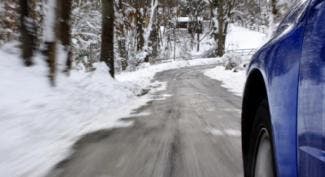
PHOTO: ny.aaa.com
» News Alerts: Subscribe to a free email newsletter:
BEDFORD-KATONAH • BRONXVILLE-EASTCHESTER-TUCKAHOE • CHAPPAQUA-MOUNT KISCO • HARRISON • LARCHMONT-MAMARONECK • NANUET • NEW CITY • NEW ROCHELLE • NYACK-PIERMONT • OSSINING-CROTON-ON-HUDSON • PEARL RIVER • PEEKSKILL-CORTLANDT • PELHAM • PORT CHESTER • PLEASANTVILLE-BRIARCLIFF MANOR • RIVERTOWNS • RYE • SCARSDALE • SOUTHEAST-BREWSTER • TARRYTOWN-SLEEPY HOLLOW • WHITE PLAINS • YORKTOWN-SOMERS
Get more local news delivered straight to your inbox. Sign up for free Patch newsletters and alerts.