Politics & Government
Minority, Women-Owned Business Awareness Day In Rockland 11/16
The Rockland County Legislature has proclaimed Nov. 16 as Minority and Women-Owned Business Enterprise Awareness Day.


From Rockland County Legislature: The Rockland County Legislature has proclaimed Nov. 16 as Minority and Women-Owned Business Enterprise Awareness Day.
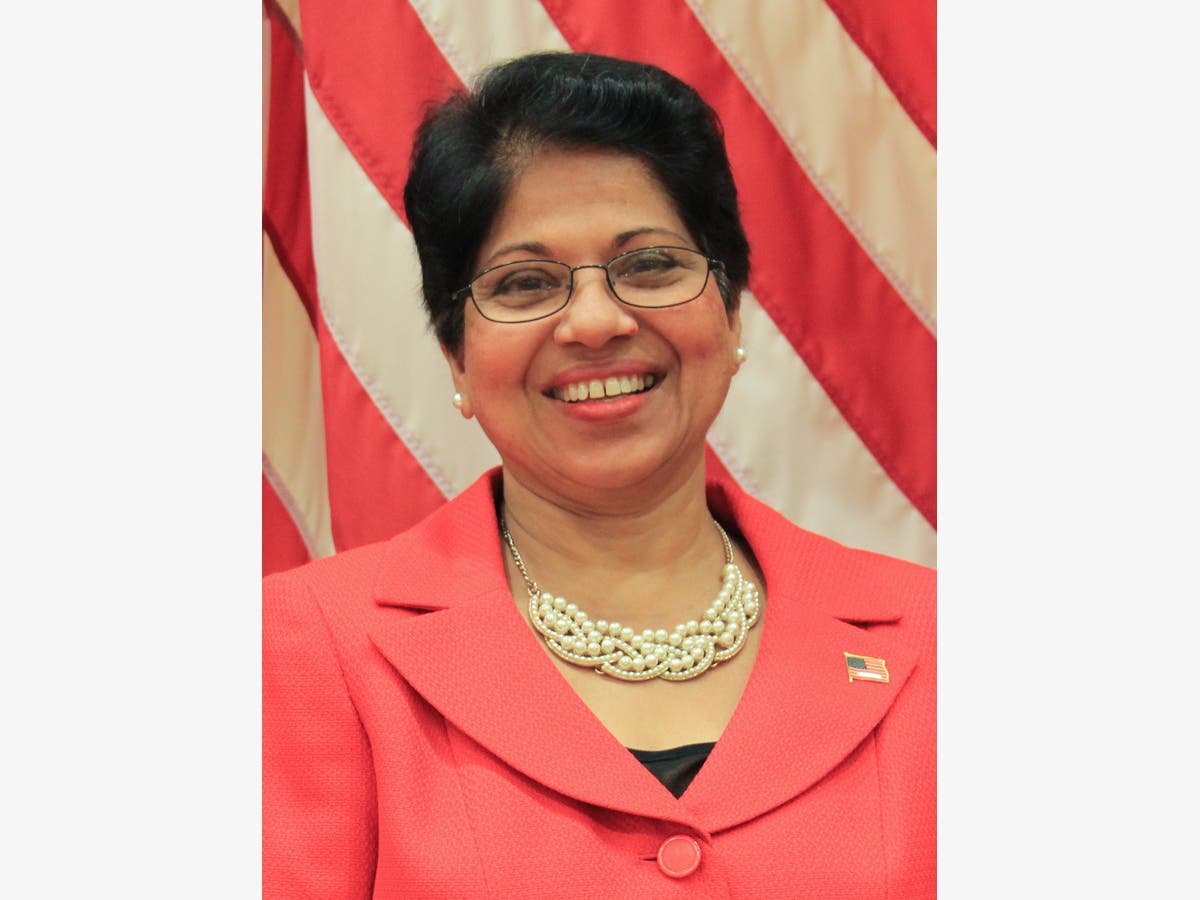
A celebration is set for 6:30 p.m. Thursday, when Legislator Aney Paul, on behalf of the entire board, will honor local successful business owners Anna Lin, Maria Luisa Whittingham, Sabrina HoSang Jordan, and Alice T. Crowe and Alicia Marie Crowe.
Legislator Aney Paul is chair of the Legislature’s new Special Committee on Minority and Women Business Enterprise. The committee is working to highlight some of the challenges faced by minorities and women trying to start or grow a business in Rockland County, and to develop solutions to the challenges.
Find out what's happening in Nyack-Piermontfor free with the latest updates from Patch.
“When it comes to the number of businesses owned by minorities and women, the information is both impressive and shocking,” Paul said. “Impressive because great strides have been made in terms of growth rates since the recession.
“But shocking when the numbers are compared to those of non-minority and male-owned businesses,” Paul said. “Minorities and women still lag far behind in terms of the number of businesses owned, the number of workers employed and the amount of revenues generated.”
Find out what's happening in Nyack-Piermontfor free with the latest updates from Patch.
According to the U.S. Census Bureau, the number of minority-owned businesses nationwide increased an amazing 38.1 percent between 2007 and 2012, from 5.8 million to 8 million. The number of women-owned businesses increased 26.8 percent, from 7.8 million to 9.9 million.
But nationwide, minority-owned firms only accounted for about 29 percent of the overall 27.6 million firms. Women-owned firms only made up about 36 percent of the overall number.
In Rockland in 2012, there were 31,220 total firms, down from 32,878 firms in 2007, Census figures show. There were 7,478 minority-owned business in 2012, up from 6,253 in 2007, and there were 9,433 women-owned businesses, up from 8,688 in 2007.
Among the issues cited by minorities and women, and the organizations working to assist them with launching new businesses or growing existing ones, are access to capital, business and social networking opportunities, and marketplace entry.
Minority firms are three times more likely than non-minority firms to be denied loans, according to the U.S. Department of Commerce. Minority firms that get loans are likely to pay higher interest rates – an average of 7.8 percent – versus what non-minority firms pay – an average of 6.4 percent.
Women start their businesses with half as much capital as men - $75,000 vs. $135,000, according to the National Women’s Business Council.
Yet minorities are the fastest growing segment of the U.S. population and the nation’s prosperity is poised to rely increasing on minorities as a result, according to the Minority Business Development Agency, part of the U.S. Commerce Department.
Census numbers show that between 2007 and 2016, while the total number of firms in the U.S. increased by 9 percent, the number of women-owned firms increased by a staggering 45 percent, mostly driven by businesses started by Latina and African-American women.
The Minority and Women Business Enterprise designation is available in New York through a specific program administered by the state. But in general, the term is used to encourage and provide support to all minorities and women who own a business.
Currently, Rockland County is legally prohibited from giving special consideration to minority- and women-owned businesses because the lowest responsible bidder must be awarded a contract.
Nonetheless, the county regularly encourages minority- and women-owned businesses to seek contracts with the county, according to Rockland County’s Director of Purchasing, Paul Brennan. In cases involving state funding to the county, county departments can seek minority- and women-owned businesses to fulfill contracts because the state requires such efforts.
Brennan and the REDC’s Procurement Technical Assistance Program’s Program Director, Lin Simeti, addressed the new MWBE Special Committee during its inaugural meeting in April. They provided an overview regarding local efforts to assist minority and women business enterprise, including significant outreach, and policies followed by the county in terms of filling contracts for goods and services.
Paul is now working with the MIS Department to develop a web page that will serve as a one-stop-shopping portal to the information and support services available to minorities and women looking to start or grow a business.
Images via Rockland County Legislature