Health & Fitness
Does Insulation Work in the Summer?
In the summer, insulation works in reverse direction, slowing the heat gain from the hotter outdoors into your home's cooler interior.


Yes!
Here is a very short video in which the Energy Coach Dick Kornbluth of Energize New York explains why insulation helps keep your home cooler in the summer, as well as warmer in the winter.
Insulation slows down the transfer of heat from whatever side is hotter to whatever side is cooler. In the winter, insulation slows heat loss from your home’s heated interior to the colder outdoors.
Find out what's happening in Ossining-Croton-On-Hudsonfor free with the latest updates from Patch.
In the summer, insulation works in reverse direction, slowing the heat gain from the hotter outdoors into your home’s cooler interior.
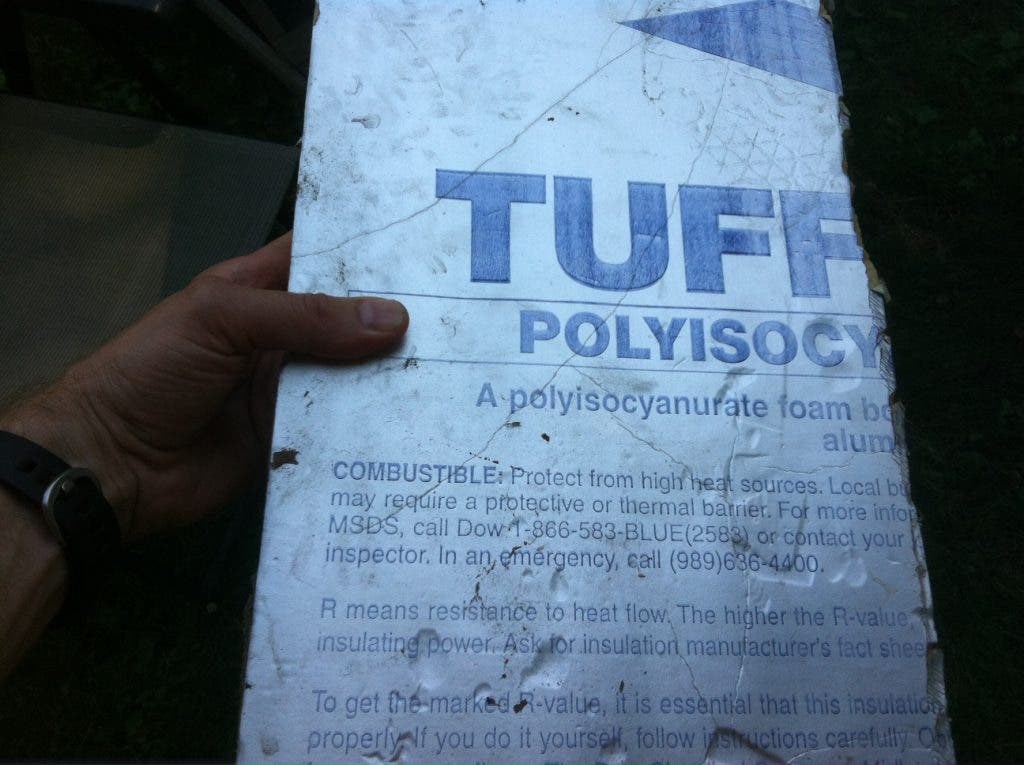
In home insulation, manufacturers report an R-value. An R-value indicates an insulation's resistance to heat flow. The higher the R-value, the greater the effectiveness of that insulation.
Find out what's happening in Ossining-Croton-On-Hudsonfor free with the latest updates from Patch.
What determines R value? The R-value of installed material is the thickness of the material divided by the thermal conductivity of that material.
Here are the R values for one inch of some common building materials:
Material
R-value per inch
Polyisocyanurate (rigid) board
7
Closed cell spray foam
6
Extruded polystyrene (XPS)
5
Open cell (polyurethane) spray foam
4.5
Expanded polystyrene (EPS)
4
Fiberglass, mineral wool insulation
3.5
Acoustic ceiling tile
2.9
Cellulose insulation
2.7
Plywood or studs, softwood
1.25
Particleboard
1.1
Hardwood
0.91
Gypsum, board
0.9
Brick
0.2
Concrete, sand, gravel, stone aggregate
0.08
The State Energy Code standard for homes is an R-value of 30, considered a minumum by most building professionals.
Many older homes may have 2 inches of cellulose insulation in the attic floor under a half inch softwood floor for a combined R-value of about 6 or 7. Leaving that in place and adding "batts in a bag" on top will increase the R-value to about 40.
Of course, our homes have multiple layers of materials. The actual R-value of an attic or exterior wall is the sum of each material’s R-value per inch times the number of inches of that material.
In preparing to insulate a home, we need to match insulation material to the existing dimensions of the space we want to insulate.
For example, to insulate an unoccupied attic where we don’t care about losing space to insulation, we might use a lower cost insulation and simply install more inches of it to achieve the desired R-value, as in the "batts in a bag" example above.
For example, using the table above we see that 10 inches of fiberglass or mineral wool insulation would offer a R-value of 35 (10 inches*3.5 per inch). Of course 10 inches is alot of depth. Comparatively, just 5 inches of rigid polyisocyanurate would also offer a R-value of 35 (5 inches *7 per inch).
To insulate a wall without losing interior space by staying the depth of the 2 x 6 stud wall to work with, effectively 5 ½ inches, installing a higher R-value insulation such as closed cell spray foam yields a resulting R-value of about 33 (5.5 inches*6 per inch).
Proper installation of insulation is very critical as well. Leaving gaps around insulation will allows hot air to pass around your insulation to the detriment of your comfort.
Insulating the attic can make the second floor of your home much cooler and lower your air conditioning bills in the summer as well as your heating bills in the winter.
So, the summer is a great time to think about insulation.