Neighbor News
The Aging Dam Dilemma in Our Backyards!
Tackling the Threat of Aging Dams and Climate Change with Policy and Innovation

Millions of people in the United States are living downstream from century-old dams, knowing that every heavy rainstorm could be the one that breaks it. This fear is becoming a harsh reality for many Americans as our nation's dams, aging and increasingly strained by climate change, pose a growing threat to public safety and infrastructure.
America's dams are in a state of crisis. As climate change exacerbates severe weather events, our aging dam infrastructure is pushed to its limits. Immediate and decisive public policy action is required to ensure the safety and resilience of these critical structures.
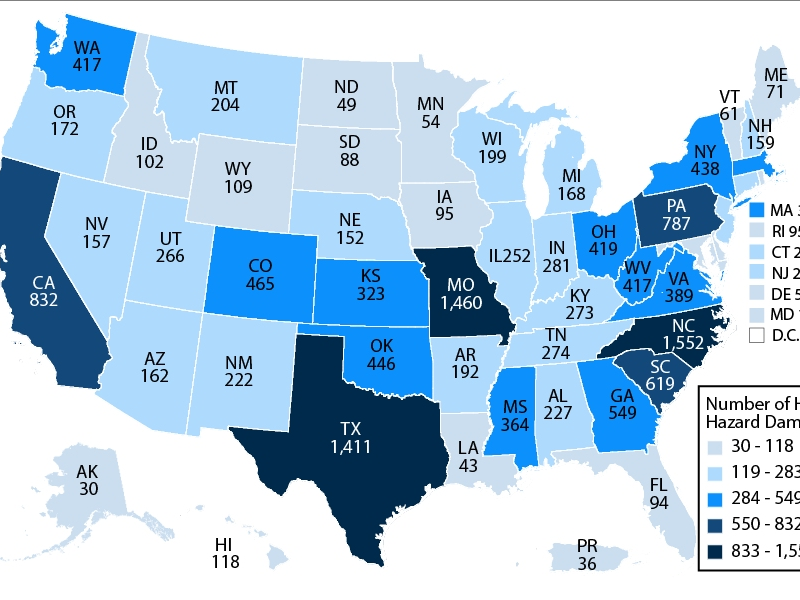
Aging Infrastructure: The average age of dams in the United States is nearly 60 years, with many significantly older. The National Inventory of Dams reports over 91,000 dams, with approximately 15,600 classified as high-hazard potential, meaning their failure could result in loss of life. The federal government and states must prioritize funding for maintenance and upgrades and, in some cases, removing these outdated structures, aka "dam retirement." Without significant investment, we risk catastrophic failures that could devastate communities.
Find out what's happening in Pelhamfor free with the latest updates from Patch.
Impact of Climate Change: Climate change is intensifying the frequency and severity of extreme weather events. This trend places additional stress on dams not designed to handle such conditions. Following unprecedented rainfall, as reported by Mitch Smith in The New York Times, the recent near-failure of the Rapidan Dam in Minnesota is a stark warning. Increased rainfall and flooding are becoming the new normal, and our infrastructure must be adapted to withstand these changes. Policies must integrate climate resilience into dam safety standards and funding allocations.
Current Policy Gaps and Solutions: Despite the evident risks, current policies and funding need to be revised to address the scale of the problem. The FEMA National Dam Safety Program (NDSP) provides a framework for dam safety. Still, more resources are needed to tackle the growing challenges. Congress must increase appropriations for the NDSP and similar programs, ensuring they are well-equipped to conduct regular inspections, enforce safety standards, and support state-level dam safety initiatives. Fostering public-private partnerships (PPPs) can also leverage additional funding and expertise. Recently, the Biden-Harris administration announced $185 million in allocations for rehabilitating high-hazard potential dams through FEMA's National Dam Safety Program. This funding, made possible by President Biden's Bipartisan Infrastructure Law, is a significant step toward addressing these critical needs. The allocated funds will support technical, planning, design, and construction efforts for dam rehabilitation, helping to ensure these vital infrastructures can withstand the increasing impacts of climate change.
Find out what's happening in Pelhamfor free with the latest updates from Patch.
Skeptics may argue that the cost of upgrading our dam infrastructure is prohibitive. While it is true that the financial investment required is substantial, the cost of inaction will be far more significant in the future. As we have already seen, dam failures can lead to loss of life, extensive property damage, and economic disruption. Investing in dam safety now will save lives and money in the long run, preventing disasters before they happen.
As the threat of climate change looms more significant, the urgency to address our nation's aging dam infrastructure cannot be overstated. It is time for policymakers to act decisively, increasing funding for dam safety programs and integrating climate resilience into infrastructure planning. Public safety and environmental stewardship demand it. Readers can support this cause by contacting their representatives and advocating for increased investment in dam safety and climate-resilient infrastructure.
Congress, supported by state and local governments and public interest groups, must advocate for more robust policies, demand better funding, and support initiatives to protect our communities from the inevitable challenges of aging infrastructure and a changing climate. One practical approach is to promote public-private partnerships (PPPs). These collaborative arrangements between government entities and private companies share responsibilities, risks, and rewards, bringing private sector expertise and funding to public infrastructure projects. Examples of PPPs include Build-Operate-Transfer (BOT) and Design-Build-Finance-Operate (DBFO) models, which can lead to cost-effective project delivery and better operational management. By leveraging PPPs, we can enhance our dam infrastructure's development, maintenance, and resilience.