Neighbor News
Coal Looks Cheaper When Health Costs Are Off the Books
Mercury pollution is a classic example of a negative externality in microeconomics.

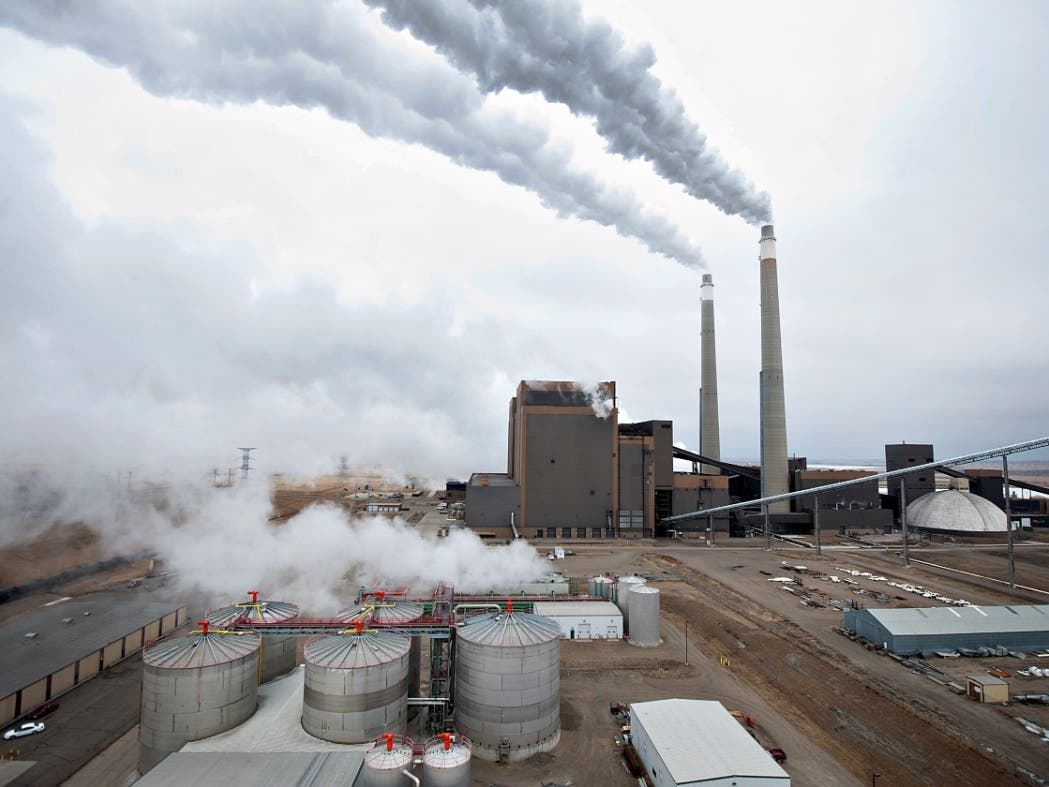

The debate over mercury emissions from coal-fired power plants is often presented as a binary choice between environmental protection and affordable energy. But from a microeconomic standpoint, the issue is more precise. Stricter mercury rules impose visible compliance costs on coal operators. Weaker rules shift less visible health and environmental costs onto the public.
That distinction matters because deregulation can look like efficiency when the ledger is incomplete. As power demand surges, driven in part by the massive electricity needs of AI data centers, the administration has moved to ease mercury pollution limits. The EPA estimates this will save the power industry about $120 million a year in compliance costs. Public health researchers cited by The New York Times, however, estimate that maintaining stricter limits on lignite-burning plants alone would have produced about $200 million a year in public health benefits in the first year.
The central policy question is not whether regulation costs money. It is whether the avoided health damages are worth more than the compliance savings.
Find out what's happening in Pelhamfor free with the latest updates from Patch.
Mercury pollution is a classic example of a negative externality in microeconomics. Coal plants generate electricity and receive revenue, but the full cost of mercury emissions does not remain inside that private transaction. When mercury is released into the air, it settles into waterways, converts into methylmercury, and accumulates through the food chain. By the time it reaches people through fish consumption, the cost appears as a developmental risk for children and fetuses, cardiovascular harm for adults, and a broader long-term public health expense.
That is the core economic issue. If a plant saves money by reducing pollution controls, but the public absorbs the difference through health risks, lost productivity, and environmental exposure, the cost has not disappeared. It has changed hands.
Find out what's happening in Pelhamfor free with the latest updates from Patch.
The case of lignite-burning plants makes the tradeoff clearer. Lignite is among the dirtiest forms of coal. According to The Times, lignite plants generated less than 5 percent of coal-fired electricity last year. Still, they accounted for more than 20 percent of total mercury emissions. Protecting this segment of the fleet is not simply a defense of grid reliability. It is a choice to preserve some of the most mercury-intensive generation in the system.
A fair analysis must acknowledge both sides of the coin. Pollution controls are not free. They impose real costs on utilities, workers, and ratepayers. Older plants may face expensive upgrades near the end of their useful lives, and reliability concerns are a legitimate priority during a period of rising electricity demand.
But those concerns do not erase the public costs of pollution. They clarify the tradeoff. The danger of the current EPA direction is the narrowing of what counts as a cost. When industry compliance costs are treated as concrete while public health benefits are treated as uncertain, indirect, or secondary, the analysis is tilted before the policy choice is even made.
This is why the $120 million and $200 million figures matter. They represent competing definitions of value. One counts what coal operators save. The other attempts to count what the public avoids: neurological harm, cardiovascular risk, health care costs, and lost human potential. When the first number is privileged and the second is discounted, deregulation begins to look more efficient than it actually is.
A final technical point widens the accounting gap. Federal agencies often use the Value of a Statistical Life to estimate the economic benefit of reducing mortality risk; HHS's 2026 central estimate is $14.1 million. EPA's recent direction on air pollution rules moves away from monetizing some avoided health harms, including lives saved and health care costs avoided, because those benefits are too uncertain to quantify. That choice matters because industry compliance costs remain visible and dollar-denominated. At the same time, public health benefits become easier to describe as uncertain, indirect, or outside the core calculation.
The dispute is not really over whether mercury is dangerous. The same Times article notes that Robert F. Kennedy Jr., now serving as health secretary, previously called mercury one of the most powerful neurotoxins known. The deeper dispute is over how much of that danger is allowed to count in the regulatory ledger.
A market can only allocate resources efficiently when prices reflect costs. If coal-fired electricity appears cheaper because mercury-related health costs are excluded from production costs, the market signal is distorted. What looks like low-cost energy may actually be energy whose costs have been pushed onto households, waterways, health systems, and future productivity.
Treating deregulation as efficiency simply because it lowers the private cost of production is an accounting error. Coal looks cheaper when health costs are off the books. But that does not mean it is cheaper. It means the bill is being sent to a different address.