Neighbor News
Future-Proofing Schools: Adapting High School Curricula for Tomorrow
Education Evolution: Adapting High School Curriculum for the Demands of Tomorrow's Workforce

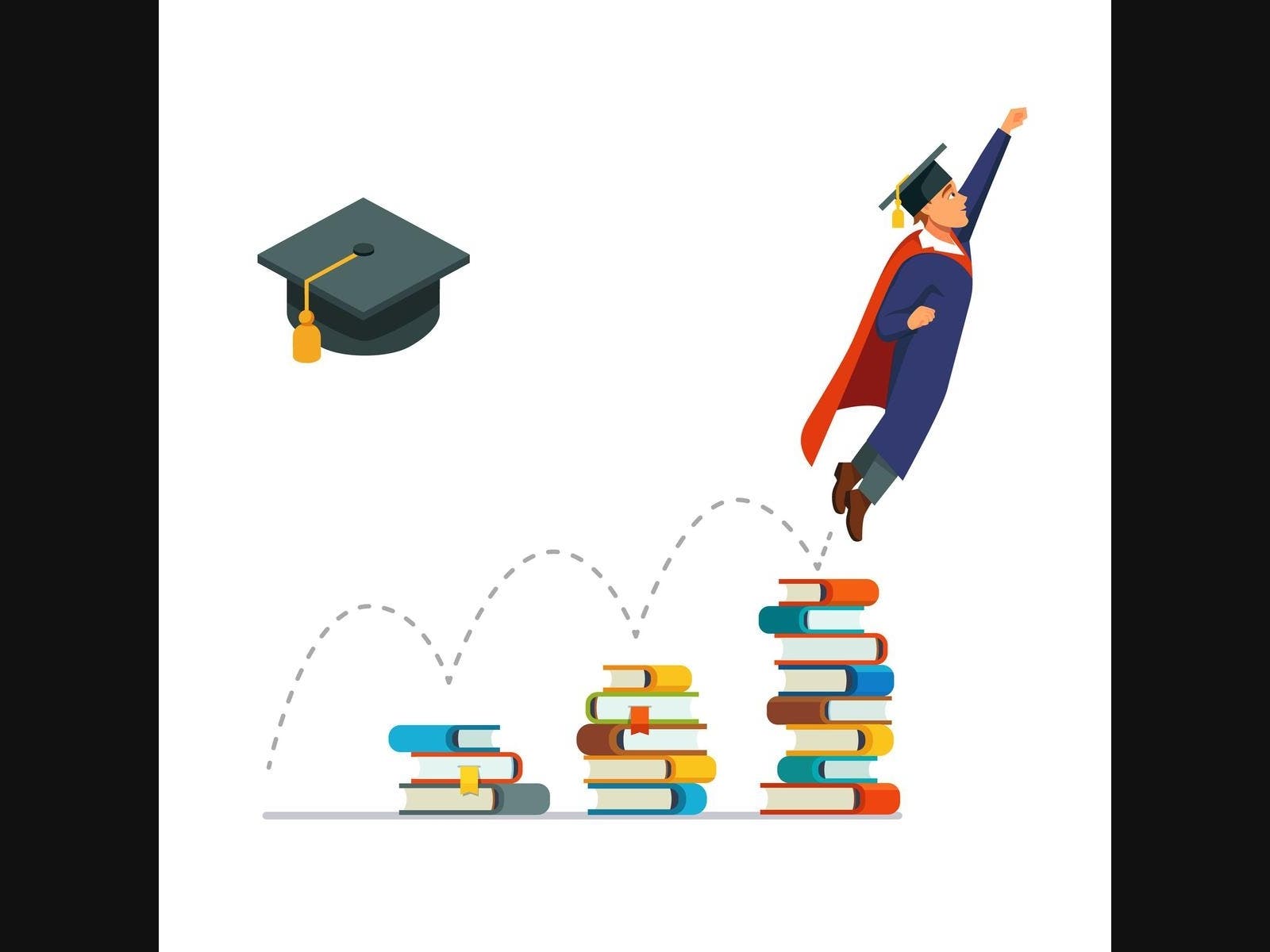
In today's rapidly evolving job market, particularly in sectors like healthcare, media, and technology, the necessity for high schools across the country to adapt and prepare students for immediate professional challenges is becoming increasingly urgent.
National initiatives like Unlocking Career Success, a collaborative effort by the U.S. Departments of Education, Labor, and Commerce, underscore the urgency of reinventing how high schools prepare students for the future. Innovative learning models that integrate instructional design, pedagogical practices, operational design, and technological design could be the answer.
For over 100 years, our education system has been based on an "industrial paradigm," where a teacher instructs a group of same-aged students using a uniform curriculum. This approach was designed to produce a workforce ready for the industrial era, capable of performing repetitive tasks and applying basic numeracy and literacy skills. However, this system has not always been accessible or high-quality for all students, with notable disparities across racial, economic, and geographic lines. The constraints of the industrial paradigm itself have hindered many reform efforts. A shift towards a student-centered schooling paradigm could provide a more personalized, relevant, and inclusive education. These models would be developed by organizations called "model providers" through extensive research and development.
Find out what's happening in Pelhamfor free with the latest updates from Patch.
Transitioning to a student-centered paradigm faces several challenges, including community demand shaped by familiarity, program supply constrained by scalability, and a K-12 landscape designed to optimize performance within the industrial paradigm. Model providers are organizations that create new learning models and partner with schools to implement these models. Regardless of their governance structure, they work closely with existing schools and provide instructional materials and professional support services.
While some schools, like the Motion Picture Technical High School (MPTHS), high schools in the Houston Independent School District (HISD), and the High School of Health Sciences (HSHS) have successfully implemented innovative learning models, it's important to note that these models may not be a one-size-fits-all solution. Each school has unique needs and resources; what works in one school may not work in another. For example:
Find out what's happening in Pelhamfor free with the latest updates from Patch.
· In New York, MPTHS’s mission is to create a sustainable pathway for aspiring filmmakers from diverse backgrounds, preparing them for rewarding creative and technical careers in Film and Television while providing a rigorous academic curriculum.
· In Houston, HISD implemented the OneSource (SAP) Student Internship program. The program created a "hands-on" experience for high school juniors and seniors to build professional skills and recognize what business and tech opportunities are available in their future. The program allowed students to explore career interests, gain valuable work experience, and earn credit toward a high school diploma.
· In Southeastern Wisconsin, the Kettle Moraine School District has administered a public charter school dedicated to fostering students' interests in careers in healthcare. Here, the High School of Health Sciences partners with organizations such as ProHealth Care and the Medical College of Wisconsin to give students hands-on experience in the medical field.
The success of these schools illustrates the potential of innovative educational models and provides valuable insights that other schools can learn from.
To prepare more students for the complexities of the modern world, such models must be expanded and supported nationally. Policymakers, educators, and industry leaders must collaborate to foster and fund educational models that align with initiatives like ''Unlocking Career Success,'' ensuring that students nationwide are equipped for the demands of tomorrow's workforce. The nationwide forward-thinking educational model of schools is pivotal for the future, setting new standards for specialized education and empowering students to navigate and excel in various industries.
Readers can support this transformation by advocating for innovative learning models in their local schools and communities, supporting policies that fund these models, and spreading awareness about the importance of preparing students for the future job market. Together, we can ensure that our education system is equipped to prepare students for the demands of tomorrow's workforce.