Neighbor News
The Impact of Cooperative Education on Career Readiness
Integrating academic knowledge with industry demands prepares students for the complexities and prospects of the contemporary world.

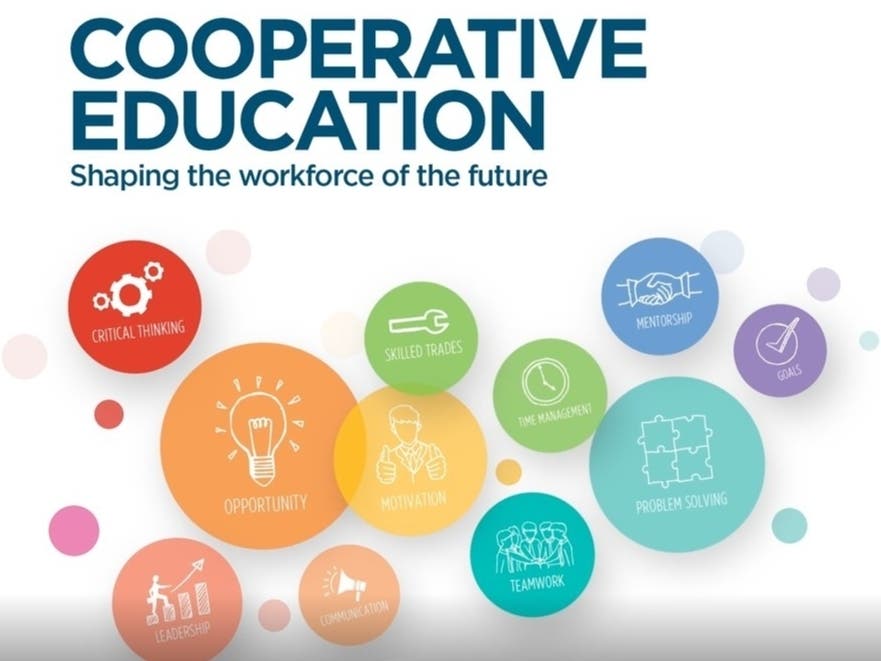
Imagine a world where education seamlessly integrates with the professional realm, where students transition into their careers with a diploma, substantial work experience, and a robust professional network. This vision is already a reality through cooperative education models exemplified by Northeastern University and North Carolina's Cooperative Innovative High Schools (CIHS).
The cooperative education models at Northeastern University and North Carolina's CIHS exemplify innovative learning approaches that bridge academic theory with practical application. These models provide students a competitive edge in today's job market and align with vital educational reforms like the Every Student Succeeds Act (ESSA), enhancing workforce readiness.
Enhanced Career Preparation: Northeastern's co-op program allows students to alternate semesters of academic study with full-time employment, providing practical experience that enhances their marketability and workforce readiness. CIHS students often graduate with both high school diplomas and associate degrees or substantial college credits, thus fast-tracking their career paths and reducing the time and financial costs of their education.
Find out what's happening in Pelhamfor free with the latest updates from Patch.
Policy Alignment and Support: These educational models align with national and state policies to increase post-secondary attainment and workforce readiness. Programs like the College and Career Promise in North Carolina support CIHS by offering tuition-free college courses to high school students, resonating with ESSA's goal to prepare all students for success in college and careers.
Economic Impact and Accessibility: By reducing the time and financial costs associated with obtaining a degree, these programs make higher education more accessible, particularly for first-generation college students and those from economically disadvantaged backgrounds, thus supporting broader economic and social goals.
Find out what's happening in Pelhamfor free with the latest updates from Patch.
Critics might argue that the intensive integration of education and work could dilute academic rigor or overwhelm students. However, structured support and careful program design ensure that students can effectively manage their coursework and work commitments. Moreover, the proven success of these models in producing job-ready graduates who excel in their fields counters this concern.
Reflecting on the innovative landscapes of Northeastern University and North Carolina's CIHS, it is clear that the future of education lies in models that dissolve the barriers between classroom learning and professional engagement. These programs do not just prepare students for the future; they place them directly into it, equipped with the skills and experiences needed to thrive in a dynamic workforce.
Advocacy for expanded funding and policy support for cooperative education models is essential. Engaging policymakers, educators, and the community in discussions about the benefits of such models can lead to more widespread adoption, ensuring that more students nationally can benefit from these transformative educational experiences.