Neighbor News
One Giant Leap: Public-Private Partnerships in the New Space Age
How Apollo 11's Legacy and Modern Collaborations Are Shaping the Future of Space Exploration

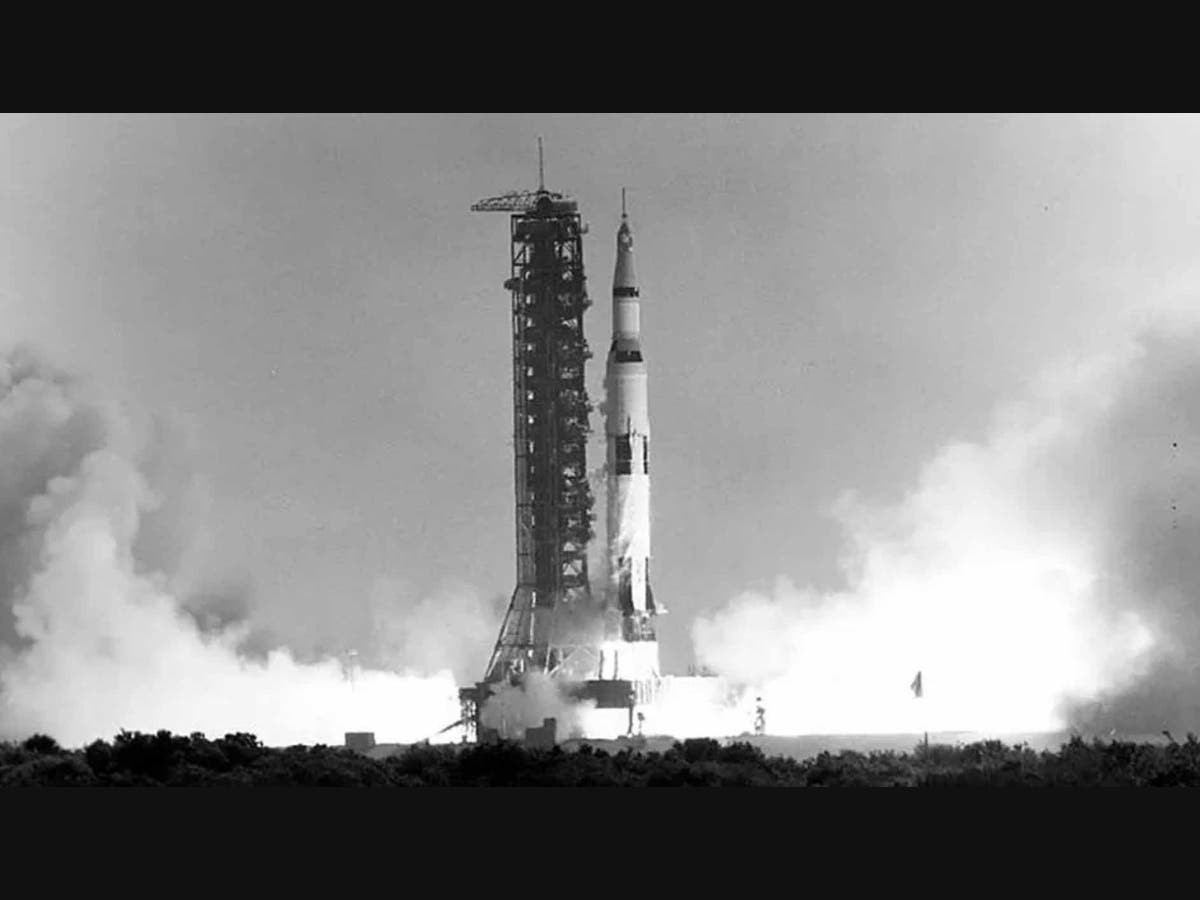
This week marks the 55th anniversary of the historic Apollo 11 mission, the first-time humans set foot on the Moon. On July 16, 1969, Neil Armstrong, Buzz Aldrin, and Michael Collins embarked on a journey that captured the imagination of millions and marked a monumental leap in human achievement. As we celebrate this milestone, it's essential to reflect on how space exploration has evolved and the role of public-private partnerships in shaping the future of space travel.
The Apollo 11 mission was a triumph of human ingenuity, perseverance, and international cooperation. It symbolized the power of vision and the relentless pursuit of knowledge. President John F. Kennedy's bold declaration in 1961 to land a man on the Moon by the end of the decade set the stage for a remarkable era of scientific discovery and technological innovation. The successful landing of Apollo 11 was a testament to what humanity can achieve when driven by a common goal.
Fast forward to today, and we are witnessing a new era of space exploration characterized by the emergence of private space programs. Companies like SpaceX, Blue Origin, and Virgin Galactic are at the forefront of this revolution, redefining what is possible in space travel. These private enterprises are pushing the boundaries of technology and democratizing access to space.
Find out what's happening in Pelhamfor free with the latest updates from Patch.
SpaceX's reusable rockets have drastically reduced the cost of launching payloads into space, making space more accessible. The company's ambitious plans to colonize Mars have reignited the global fascination with interplanetary exploration. With its vision of millions of people living and working in space, Blue Origin is laying the groundwork for a future where space is an integral part of human civilization. Virgin Galactic's focus on space tourism opens opportunities for ordinary people to experience the wonders of space firsthand.
NASA'sCommercial Crew Program is a notable example of the exciting possibilities emerging from public-private space exploration partnerships. This initiative exemplifies how such collaborations can drive progress. The program delivers on its goal of safe, reliable, and cost-effective human transportation to and from the International Space Station (ISS) through a partnership with American private industry. By developing a new generation of spacecraft and launch systems capable of carrying astronauts to low-Earth orbit, the program provides expanded utility, additional research time, and broader opportunities for discovery in the orbiting laboratory.
Find out what's happening in Pelhamfor free with the latest updates from Patch.
The ISS is a critical testbed for NASA to understand and overcome the challenges of long-duration spaceflight. As commercial companies focus on providing human transportation services to and from low-Earth orbit, NASA is freed up to focus on building spacecraft and rockets for deep space missions. With the ability to purchase astronaut transportation from Boeing and SpaceX as a service on a fixed-price contract, NASA can allocate resources to put the first woman and the first person of color on the Moon as part of the Artemis missions in preparation for human missions to Mars.
The Commercial Crew Program represents a revolutionary approach to government and commercial collaborations to advance space exploration. Unlike NASA's prior approach of owning and overseeing every aspect of crew transportation systems, the Commercial Crew Program allows interested companies to design their systems with substantial freedom while meeting NASA's safety and reliability requirements. This model fosters innovation and efficiency, with companies owning and operating their hardware and infrastructure.
NASA has officially certified SpaceX's crew system and started regular missions to the space station with astronauts. SpaceX's Crew Dragon spacecraft launches on the company's Falcon 9 rocket fromLaunch Complex 39A at NASA's Kennedy Space Center in Florida. Meanwhile, NASA and Boeing continue progressing on the company's first crewed flight on the CST-100 Starliner system, aiming to prove its capability to carry astronauts to low-Earth orbit and the ISS. If successful, this mission will pave the way for NASA's certification of Boeing's astronaut transportation system for regular missions to the orbiting laboratory.
However, the rise of private space programs also raises important questions about the future of space exploration. Who will regulate these activities? How will we ensure that space remains a global common, accessible to all nations, and not dominated by a few wealthy entities? The need for an updated framework of international space law is more urgent than ever. While foundational, the Outer Space Treaty of 1967 must be revisited to address the realities of the 21st century.
As we celebrate the legacy of Apollo 11, we must also look to the future with a sense of responsibility and foresight. The Apollo missions showed us what humanity can achieve when we pursue a common goal. Today's space programs, both public and private, have the potential to unlock new frontiers and bring about unprecedented advancements in science, technology, and international cooperation.
In conclusion, the anniversary of Apollo 11 is a moment to reminisce about the past and an opportunity to envision the future. As we stand on the cusp of a new space age, we must draw inspiration from the pioneering spirit of Apollo 11 and strive to ensure that all share the benefits of space exploration. The sky is no longer the limit; it is just the beginning.