Neighbor News
Port Washington Audiologist Has Warning For Seniors About Dementia
A New Study On Hearing Aid Use Has Confirmed That Failing To Address Hearing Loss Increases Likelihood Of Dementia
Nearly two in every three Americans who are at least 70 years old live with hearing loss, and by 2060, hearing loss is expected to affect 62.4 million older adults. This prediction represents much more than just struggling to hear the TV — it also introduces the potential for increased rates of dementia. In fact, audiologists have long hypothesized that hearing loss and cognitive decline are correlated. A 2023 randomized trial recently published in the scientific journal The Lancet, and known as ACHIEVE, confirms it.
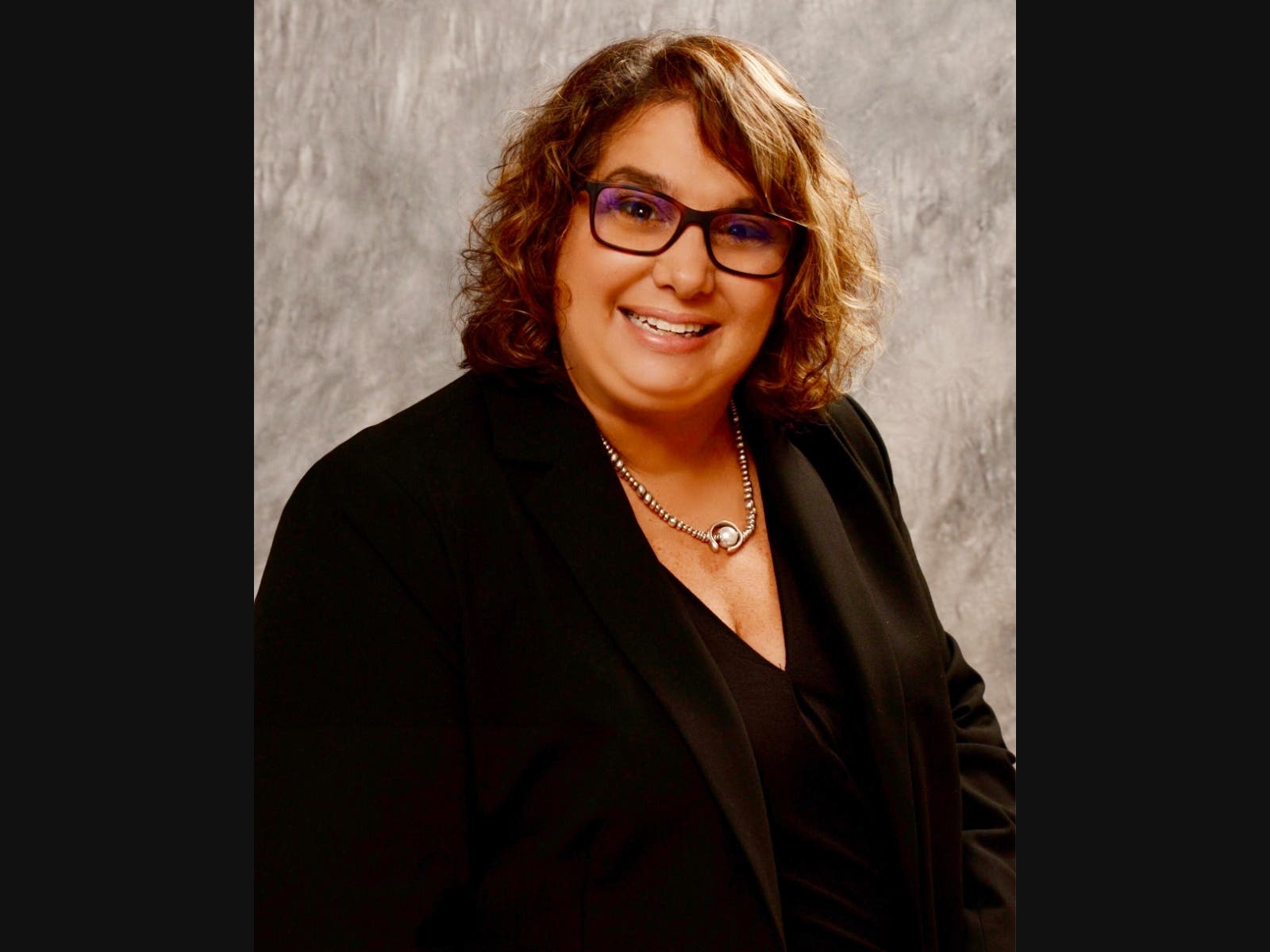
The ACHIEVE study found that hearing aids may reduce cognitive decline in older adults who are at high risk of dementia. According to Dr. Amy Sapodin, a clinical audiologist and the owner of I Love Hearing in Port Washington and East Meadow, this is pivotal, long-awaited news in the world of hearing care.
“The ACHIEVE study is so significant and so huge in the treatment of hearing loss because, before this time, we just hypothesized that there was a relationship between hearing loss and cognitive decline,” Sapodin said. “Now, we know for certain that hearing aids can absolutely slow cognitive decline in people with hearing loss who are at high risk for dementia.”
Find out what's happening in Port Washingtonfor free with the latest updates from Patch.
Sapodin cited the ACHIEVE study’s analysis of a cohort of participants at increased risk of dementia as the greatest scientific proof to date of hearing aids’ positive impact on cognitive health. The participants within this cohort who received hearing aids experienced 48% less cognitive change than the other participants over a three-year period. This result underscores the role that hearing loss treatment plays in minimizing the global burden of dementia in older populations.
“In a world where people are aging for so much longer than ever before, it increases your chance of having cognitive issues,” Sapodin said. “As audiologists, we’ve long developed preventative measures that likely reduce both hearing loss and cognitive decline, and now, we know for certain that treating the former can help the latter.”
Find out what's happening in Port Washingtonfor free with the latest updates from Patch.
At I Love Hearing, Sapodin said that comprehensive hearing healthcare encompasses working directly with an audiologist to choose and fit the right hearing aid. Only professional audiologists, she said, have the experience and education to address each patient’s unique hearing changes. She emphasized that this quality of care isn’t possible when buying hearing devices over-the-counter or via big-box stores, nor are patients likely to get proper, complete hearing aid fittings and adjustments.
“Audiologists take a medical approach to treating hearing loss,” she said. “At I Love Hearing, we conduct extensive questionnaires and testing to look for more than how loud we need to make sounds before they become audible. We analyze how clear sounds are and how well the patient can separate speech from noise. We fit hearing aids to their exact needs and adjust them based on in-depth, one-on-one conversations.”
Sapodin said that this approach involves reviewing all aspects of a patient’s life and considering factors beyond what happens within and around a patient’s ears, including the prospect of dementia.
“Hearing loss treatment has long been the number-one modifiable lifestyle change you could make to likely reduce the risk of dementia,” Sapodin said. “We pick an appropriate device and treatment plan that works for the patient, their lifestyle, and their hearing loss. We’re problem solvers, and we know how to listen to the patient and do a bit of investigative reporting. When they say something, we figure out what that really means so that we can take an appropriate response.”
This hearing loss treatment, according to Sapodin, should start in one’s sixties.
“One out of three individuals experience presbycusis — age-related hearing loss — by the age of 65,” Sapodin said. “Hearing loss is slow in its progression, and because early intervention has a significant impact on outcome, hearing tests are recommended for all adults beginning at the age of 60, regardless of whether they are experiencing symptoms. Early treatment is key.”
Sapodin reiterated that, well before the ACHIEVE study was published, audiologists were noticing connections between early hearing treatment and stronger cognitive outcomes. Now, though, they have proof.
“When one has age-related hearing loss, the brain is constantly receiving a garbled signal, causing it to relocate central resources to deal with that auditory decoding at the expense of thinking and memory abilities,” she said. “We see hearing loss affecting the brain’s structural integrity. Hearing loss can also affect social engagement and hence affect one’s participation in cognitively stimulating activities.”
“We know now that treating hearing loss with prescription hearing aids is not only beneficial when it comes to improvements in communication and quality of life,” said Sapodin, “but it could also significantly reduce your rate of cognitive decline if you are at high risk.”
Patients can begin the journey toward treating their hearing loss and combating potential cognitive decline via I Love Hearing’s personalized care and hearing aid selections and fittings. To learn more, visit the practice’s website or book an appointment at the practice’s Port Washington and East Meadow locations.