Neighbor News
Tips and Tricks to Beat Back-to-School "Lunch Box Anxiety"
A New York Institute of Technology nutrition expert provides parents with helpful advice for packing healthy school lunches.
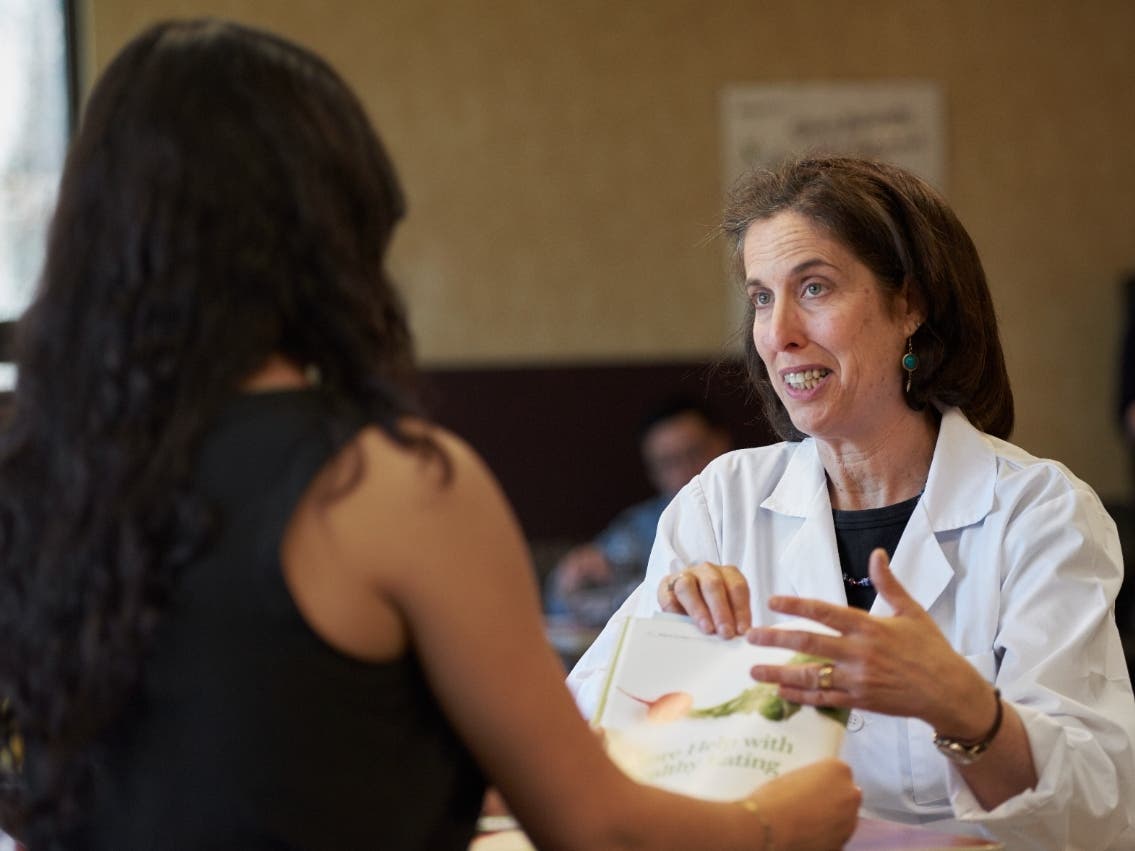
For parents, getting back into the routine of packing their child's lunch is one of the biggest stressors of the back-to-school season. In fact, a survey found that nearly three in five parents get stressed out just thinking about it.
Now, nutrition expert Mindy Haar, Ph.D., RDN, assistant dean at New York Institute of Technology’s School of Health Professions in Old Westbury, shares simple tips and tricks for packing a healthy lunch.
What common mistakes do parents make in preparing their children's school lunches?
Not planning for the week in advance may leave parents to give lunches just based on what’s on hand. Drawing up a menu for the week with your child’s input can increase variety and nutritional value.
Find out what's happening in Port Washingtonfor free with the latest updates from Patch.
What are some strategies parents can leverage to make preparing school lunches easier?
Letting children help with shopping and food prep will assure that they don’t bring home lunch containers filled with uneaten food. Preparing for two days in a row saves even more time, and, whenever possible, save prep time by using dinner leftovers.
What constitutes a well-balanced lunch?
Following the pattern suggested by My Plate, the lunch meal should include a generous amount of vegetables and fruit as they are rich in vitamins, minerals, and fiber. A portion of whole grains (about half a cup or one slice of bread) can provide fiber as well and checking the label for at least three grams of fiber/serving should be done. A portion of protein rounds out the meal with recommended animal-based protein such as fish, white meat poultry, egg whites, low-fat cottage cheese, or yogurt. However, moving to a more plant-based diet by including beans, tofu, edamame, hummus, nuts, or seeds as protein sources introduces even more nutrients and is eco-friendlier.
Find out what's happening in Port Washingtonfor free with the latest updates from Patch.
Ideally, a snack should contribute something positive to a child’s daily nutrition needs. For example, adding a cup of fat-free or low-fat milk – or comparable non-dairy milk – to any snack significantly contributes to a child’s calcium needs.
Can you provide a handful of simple, healthy meal ideas?
- Baked potato stuffed with broccoli and plain yogurt
- Lentil/split pea/barley soup and whole grain bread
- Stir fry tofu and vegetables with quinoa
- Whole wheat vegetable pizza
- Bean burgers and whole wheat pasta
- Salmon, edamame, and whole wheat couscous
What about snacks?
- Cut-up fruits and vegetables
- Fruit kabobs: cut-up fruit on a toothpick or skewer
- Whole grain crackers and/or cut-up vegetables and hummus
- Frozen grapes or canned pineapple rings
In addition to serving as Assistant Dean for New York Institute of Technology's School of Health Professions, Haar serves as chair of the school's Department of Interdisciplinary Health Sciences, which offers a fully online M.S. in Clinical Nutrition program.