Neighbor News
The Selfie Decade: How 15 Years of Front Cameras Quietly Led Us to the Facelift
How selfies and front cameras quietly changed how people notice facial aging

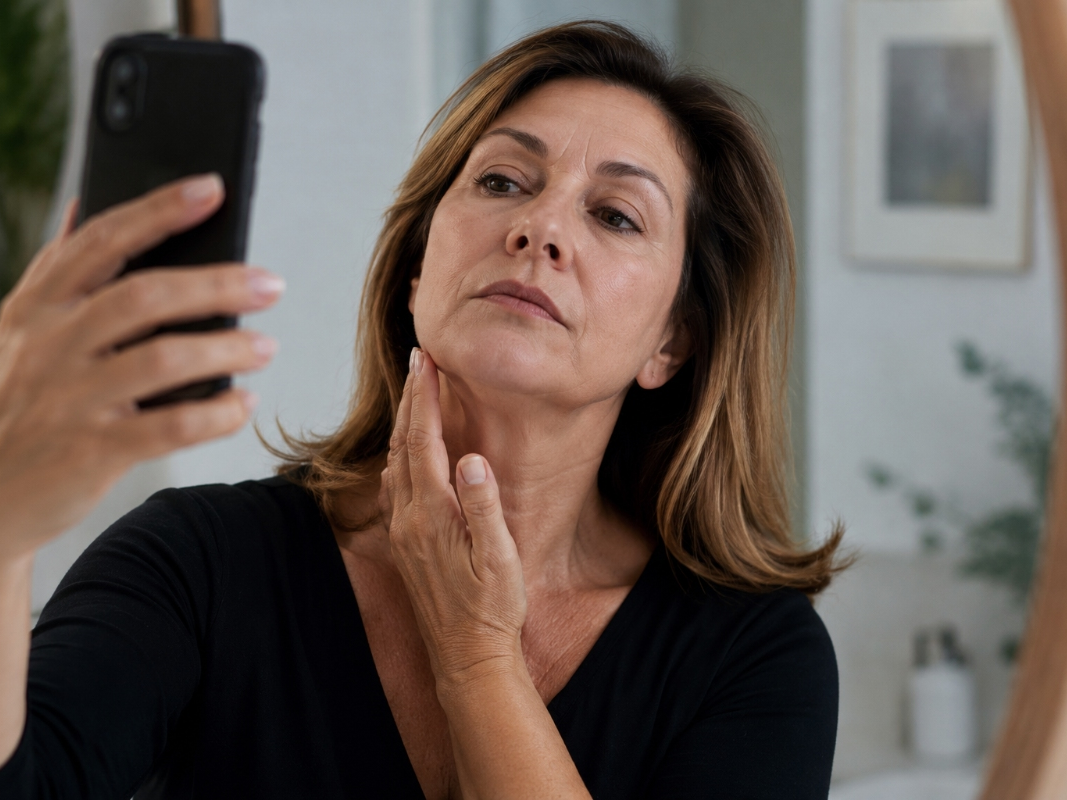
For most of human history, people rarely saw their own faces the way we do today.
You glanced in the mirror before leaving the house. Maybe you saw a photograph once in a while. That was it.
Then came the front-facing camera.
Find out what's happening in Rockville Centrefor free with the latest updates from Patch.
Almost overnight, we began carrying mirrors in our pockets. First came selfies. Then FaceTime. Then Zoom meetings. Suddenly, millions of people found themselves seeing their faces from angles, lighting conditions, and distances they had never paid attention to before.
And something changed.
Find out what's happening in Rockville Centrefor free with the latest updates from Patch.
People began noticing details they had never thought much about: a softer jawline, a heavier neck, deeper folds around the mouth, tired-looking lower eyelids, or facial contours that somehow felt different than they remembered.
The question quietly became:
“Did I always look like this?”
The Selfie Decade Changed How We See Ourselves
For nearly 15 years, front-facing cameras have altered the relationship people have with aging.
Before smartphones, facial aging often felt gradual and almost invisible. Today, many people see their own faces dozens of times per day, in selfies, video calls, recorded videos, work meetings, and social media posts.
Unlike mirrors, cameras freeze moments.
And unlike casual reflections, front-facing cameras often capture angles people are not used to seeing: slightly downward lighting, softened jawlines, neck fullness, or facial asymmetry.
Over time, repeated exposure changes perception.
It does not necessarily create aging, but it often makes aging more noticeable.
Why the Jawline and Neck Suddenly Matter More
One of the most common concerns people notice is the lower face.
A softer jawline. A neck that looks heavier in photos than in real life. Facial definition that somehow feels less sharp than before.
This is partly because the jawline and neck are among the first places where structural facial aging becomes visible.
As collagen decreases and deeper tissues gradually descend, subtle changes begin appearing around the lower face. Years ago, these shifts might have gone unnoticed.
Today, a single poorly angled selfie can make someone suddenly aware of them.
From “I Look Tired” to “I Want to Look Refreshed”
Interestingly, most people are not looking to become someone else.
In facial plastic surgery conversations, the goal is rarely to look dramatically younger or dramatically different.
More often, people describe wanting to look:
- more rested
- less heavy around the jawline
- more defined in photos
- more like themselves again
This shift may explain why modern facelift discussions increasingly focus on natural outcomes rather than dramatic transformation.
The aesthetic goal today is subtlety.
Not tighter.
Not pulled.
Not obvious.
Simply refreshed.
Why Facelift Conversations Are Changing
Modern facial rejuvenation is not about recreating the exaggerated results many people associate with surgery decades ago.
For the right candidate, facelift discussions often center on restoring facial definition, improving jawline support, and addressing changes that become more visible through years of cameras, selfies, and video calls.
The goal is not perfection.
It is the alignment between how someone feels, energetic, healthy, confident, and how they feel they appear.
The Selfie Effect Is Quiet, But Real
No single selfie makes someone want a facelift.
But fifteen years of seeing yourself from every angle?
That changes something.
The selfie era did not create aging. It simply made many people notice it sooner, more often, and in far greater detail than any generation before.
In my experience, most people are not trying to look younger. They simply want their reflection, or the person on screen, to feel a little more familiar again.
Roger Horioglu, MD
South Shore Clinic, Long Island