Politics & Government
Opinion: West Nile Virus Protection Takes Backseat in Rye Once Again
How the Sack Administration is sweeping a potential health crisis under the rug.

RYE, NEW YORK—As we gear up for another beautiful summer along the Long Island Sound, it is important to note that mosquito season is upon us once again. The threat of serious illness- a threat that experts say is on the rise- is once again being ignored by the City of Rye and Mayor Joe Sack’s administration.
According to a new joint study from the National Center for Atmospheric Research and the U.S. Centers for Disease Control and Prevention, this year’s warmer than usual months preceding summer are likely to bring a higher risk in contracting West Nile virus.
The risk of contracting the disease is particularly high in the southern Westchester area, along the coast of the Long Island Sound. As the study notes, “dirty, nutrient-filled water” will attract the Culex species of mosquito that can carry and transmit West Nile Virus.
Find out what's happening in Ryefor free with the latest updates from Patch.
One politically protected seasonal destination in affluent Rye with an abundance of “dirty, nutrient-filled water” is called home by 34 residents: Hen Island in Milton Harbor.
The 26-acre ‘piece of paradise’ has lacked sanitary waste disposal systems for many years and by utilizing makeshift water collection systems, residents of Hen Island attempt to repurpose bird-feces-infected rainwater from rooftop gutters for bathing.
Find out what's happening in Ryefor free with the latest updates from Patch.
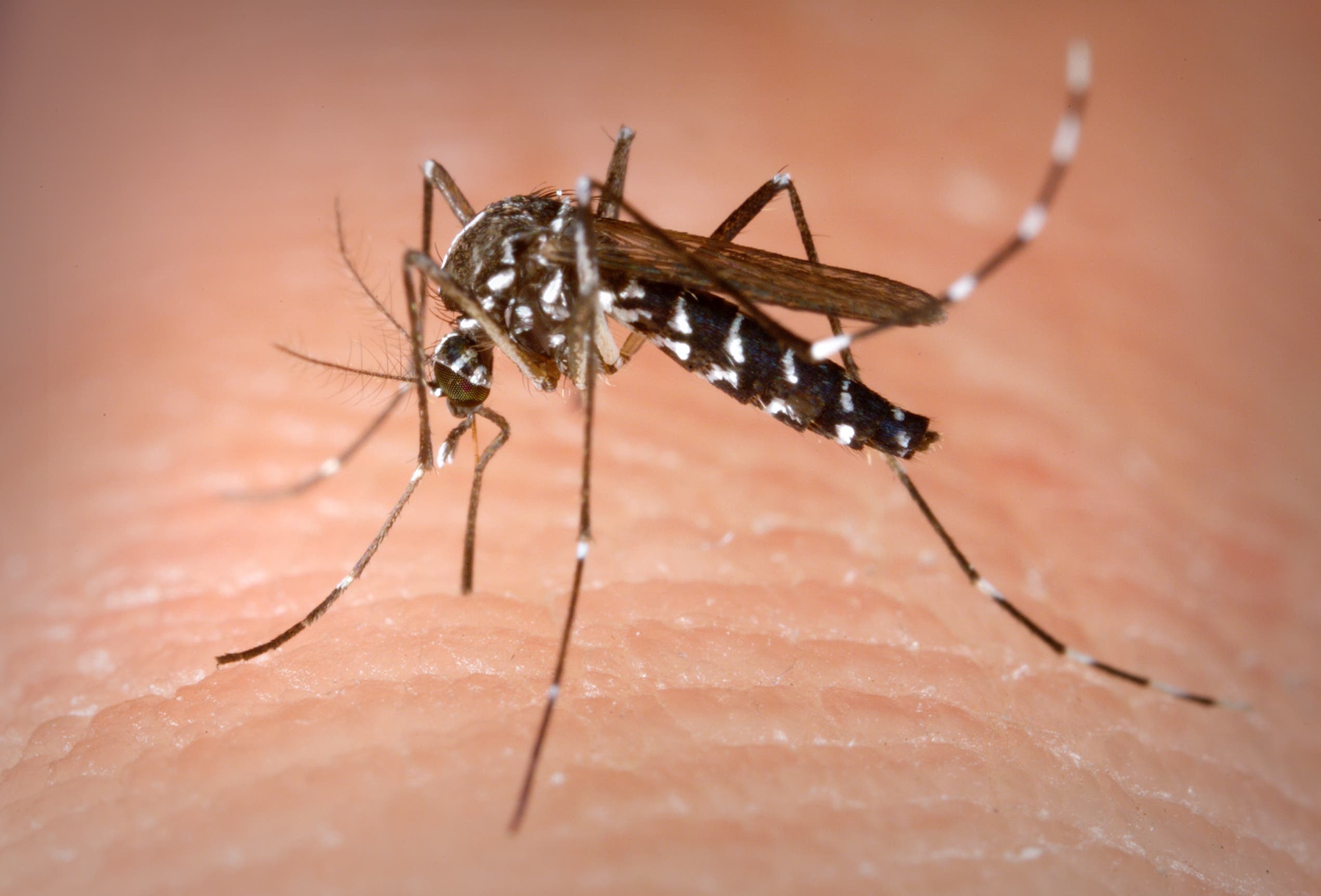
Numerous studies have been done on these rainwater systems that show that not only is the quality of rainwater unfit for personal hygienic use, but that their containers have become veritable breeding farms for mosquitoes. Among them is the Asian tiger mosquito, a variety of the West Nile-carrying Culex species whose population has skyrocketed in the Westchester area over the last few years.
Westchester’s shore of the Long Island Sound is no stranger to West Nile Virus. In late 2012, then 73-year-old Mamaroneck resident Ron Schoenfeld was resurrected from a West Nile-induced coma. Schoenfeld contracted West Nile in his back yard and lives less than half a mile from the mosquito-infested island.
Others are not as lucky. Kim King is a Massachusetts resident who began researching West Nile-carrying mosquitoes after the death of her 5-year-old daughter to the disease. King, a Massachusetts Mosquito Control Commissioner visited, inspected and tested Hen Island at the behest of concerned citizens, shortly after Schoenfeld fell ill.
King later appeared at a July 10, 2013 Rye City Council meeting to testify that the mosquito infestation on Hen Island was so severe that she was unable to reasonably measure the mosquito population during her visit. She then gave the most damning indictment of the city’s problematic approach to its safety priorities.
“I called your county health director, he straight out told me he doesn’t get involved [in Hen Island] because of politics,” King told the council chamber.
More than a decade’s worth of political rhetoric regarding the island’s health and safety issues is punctuated with the quiet admissions of numerous officials who state that the situation on Hen Island is not only unsustainable, but also unsafe.
In fact, prior to his election as mayor, Mayor Joe Sack passionately championed a remedy to the Hen Island problem as he served as a city councilman. In 2011, Sack stated, “from my point of view, the main complaint has always been essentially the fact that people are flushing their toilets into the ground and if you did that on the mainland in Rye it just wouldn’t be acceptable. I understand you have mosquitoes and potable water too. On the sewage issue, it doesn’t make sense to John Q Public that that should be allowed to happen. There are codes that we can parse through, but at the end of the day, if there’s a problem, yes, the city council has to address it.”
Two years later, at a city council meeting, Sack described Hen Island’s mosquito infestation as “worse than any other place I’ve been in Rye,” when asked by a colleague about his recent visit. Sack continued, “we need to get [Westchester County] in here to answer some of these issues.”
Mayor Sack’s recent and unfortunate remarks echo a steady stream of predecessors whose positions on the issues were rooted in careful political calculations. Namely, “the price of safety is not worth the expense,” or that “the City has more important things to worry about.”
Every summer, Rye authorities look the other way when it comes to this potential environmental biohazard in Rye. Claims of late by elected officials like Mayor Sack, that conditions on Hen Island pose no danger to its residents and the Rye community at large, (despite overwhelming evidence to the contrary) points to the business-as-usual politics of denial Rye has come to know over the past decade.