Politics & Government
Invasive Aqua Plant Discussed at Lake Meeting
Advisory board convenes for first time in 2011.
Those in attendance of the Lake Ronkonkoma Advisory Board meeting this week received a botany lesson from DEC environmental engineer Scott Kishbaugh.
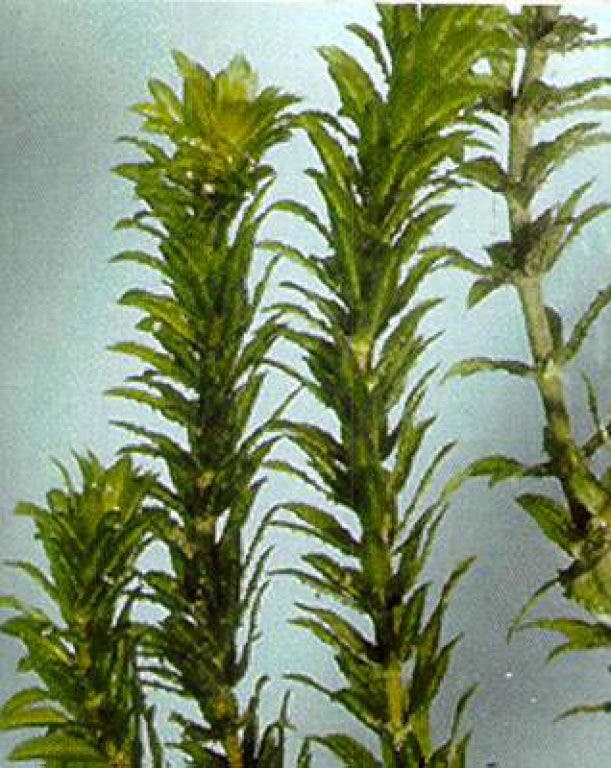
For much of the meeting, Kishbaugh delivered a detailed and informative PowerPoint presentation with regard to the invasive aquatic plant hydrilla. In advisory board meetings dating back to last fall, the growing presence of hydrilla in Lake Ronkonkoma has been a topic of conversation and concern, especially the presence of the stringy, ribbon-type plant on the surface in the lake’s northern most region. According to Kishbaugh, hydrilla is a plant native of Euro-Asia and is thought to have traveled north from Florida where it has reeked havoc on lakes in the south.
“It’s one of the worst aquatic invasive plants we’ve seen,” Kishbaugh said. “It’s actually called godzilla in the southeast of the United States.”
Find out what's happening in Sachemfor free with the latest updates from Patch.
According to Kishbaugh, the plant’s asexual nature is thought to be the reason it has spread in the northeast. He said it was first found in New York at Creamery Lake in Orange County during 2008 and is now in eight lakes total in the state.
As far as Lake Ronkonkoma is concerned, Kishbaugh said hydrilla was first discovered during the latter part of 2009. He said it is only found in the lake were water is 12-feet or less, and is particularly growing in the upper region near the public boat ramp.
Find out what's happening in Sachemfor free with the latest updates from Patch.
In dealing with the hydrilla, Kishbaugh said “the best thing is for New York State to come in and offer a pot of money to deal with the plant,” but also offered several more rational scenarios: do nothing, physical control or chemical control.
Chemical control, or the use of the aquatic herbicide fluridone at a capacity of 25 parts per billion, would cost roughly $125,000, according to Kishbaugh, who said the substance worked in Creamery Lake. “This works but you need a follow up strategy,” Kishbaugh said.
The follow up strategy offered would be to stock the lake with grass carp to eat the plant, a cost of approximately $8,000 according to Kishbaugh who also opined that physically removing the plant wasn’t a good option.
“Most physical control strategies are not appropriate,” he said. “They are not going to work in Lake Ronkonkoma.”
Leg. John Kennedy asked whether or not the plant would fully engulf the lake if no action was taken. Kishbaugh said no because there are areas of the lake the plant just won’t grow. But he also said if the plant continues to grow it will impede recreational use and can crowd out other plants (not a problem as there are not many plants in Lake Ronkonkoma).
To conclude his presentation, Kishbaugh encouraged fundraising or grant writing to deal with the hydrilla. Since the Lake Advisory Board is a temporary entity, fundraising and grant writing, if pursued, will more than likely be undertaken by the Lake Ronkonkoma Watershed Intermunicipal Organization (LRWIO) or the Ronkonkoma Association (RLA), once both are fully functional.
During the meeting, Lake Ronkonkoma Civic Organization President George Schramm briefed those in attendance about the LRWIO and the RLA. He said the RLA was waiting to hear back from New York State with regard to its 501(c)(3) not-for-profit status. He said that verdict could come in as soon as this week. As for the LRWIO, Schramm asked Kennedy if he had spoken with the Village of Lake Grove about participating in the organization. Kennedy had not, but said he would do so before the next meeting on Tuesday, Feb. 22.
To conclude the meeting, Chart Guthrie of the DEC spoke with regard to the stocking of Lake Ronkonkoma in the fall with walleye. A recap of the stocking can be seen in the PDF attached to this article.
Guthrie also offered his fish expertise with regard to grass carp. He said the carp would be sterile, could be stocked anytime of the year, and are generally good at vegetation control in the first few years, but opined that they would not be able to totally eat all the vegetation.