Community Corner
'Amazing' NASA Telescope Developed By Bayport-Blue Point Grad
"It's so rewarding to actually see it."


BAYPORT, NY — Ray Lundquist was in the third grade when he watched the historical Apollo launch with his family.
It was then he knew that he would pursue a career in space. At least, that's what his mother says.
"She tells me I said, 'That's what I'm going to do when I grow up,'" he said.
Find out what's happening in Sayville-Bayportfor free with the latest updates from Patch.
Decades later, the Long Island native has since acted upon his words and helped create the cameras for the James Webb Space Telescope, the largest and most powerful optical telescope in space.
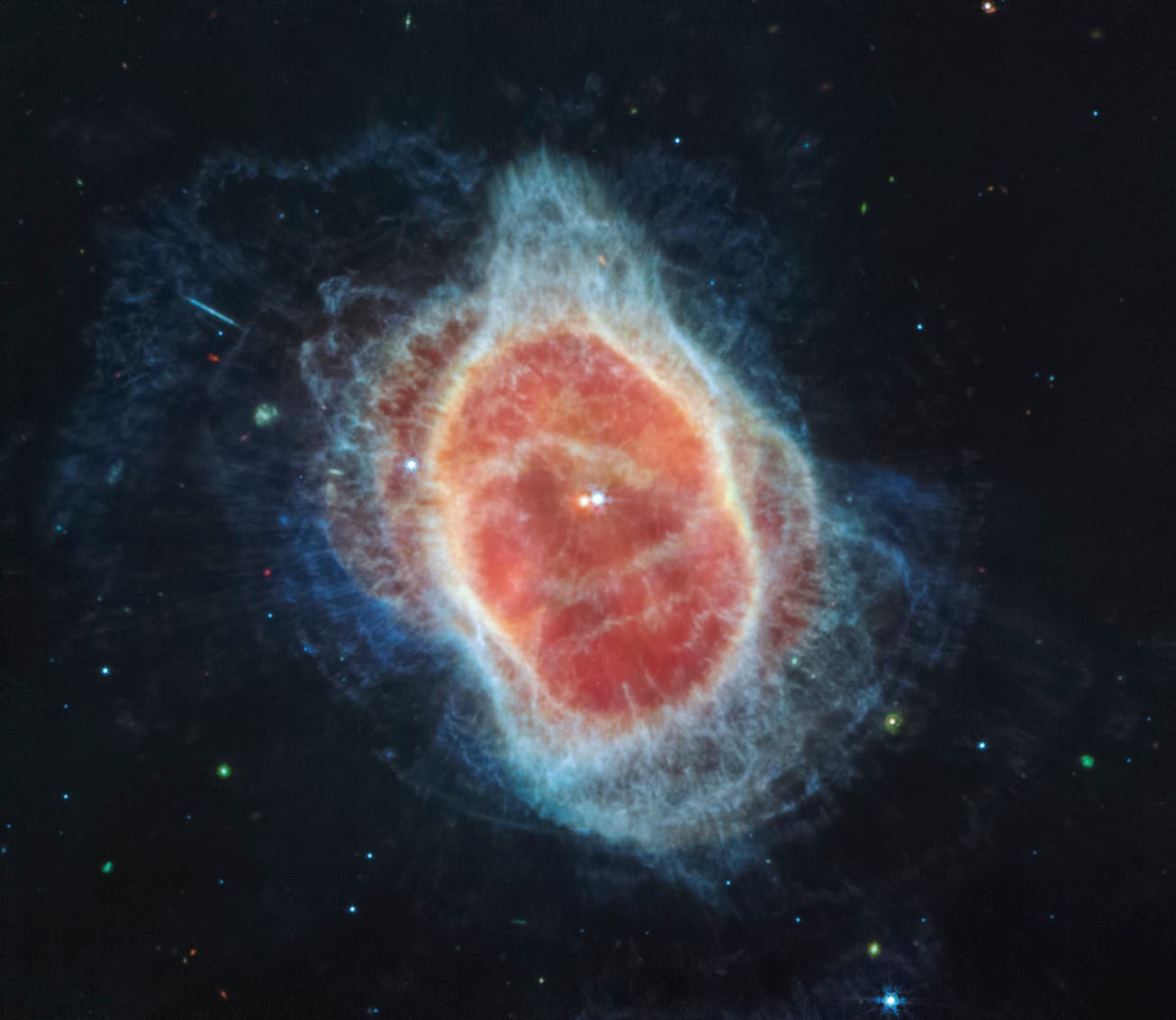
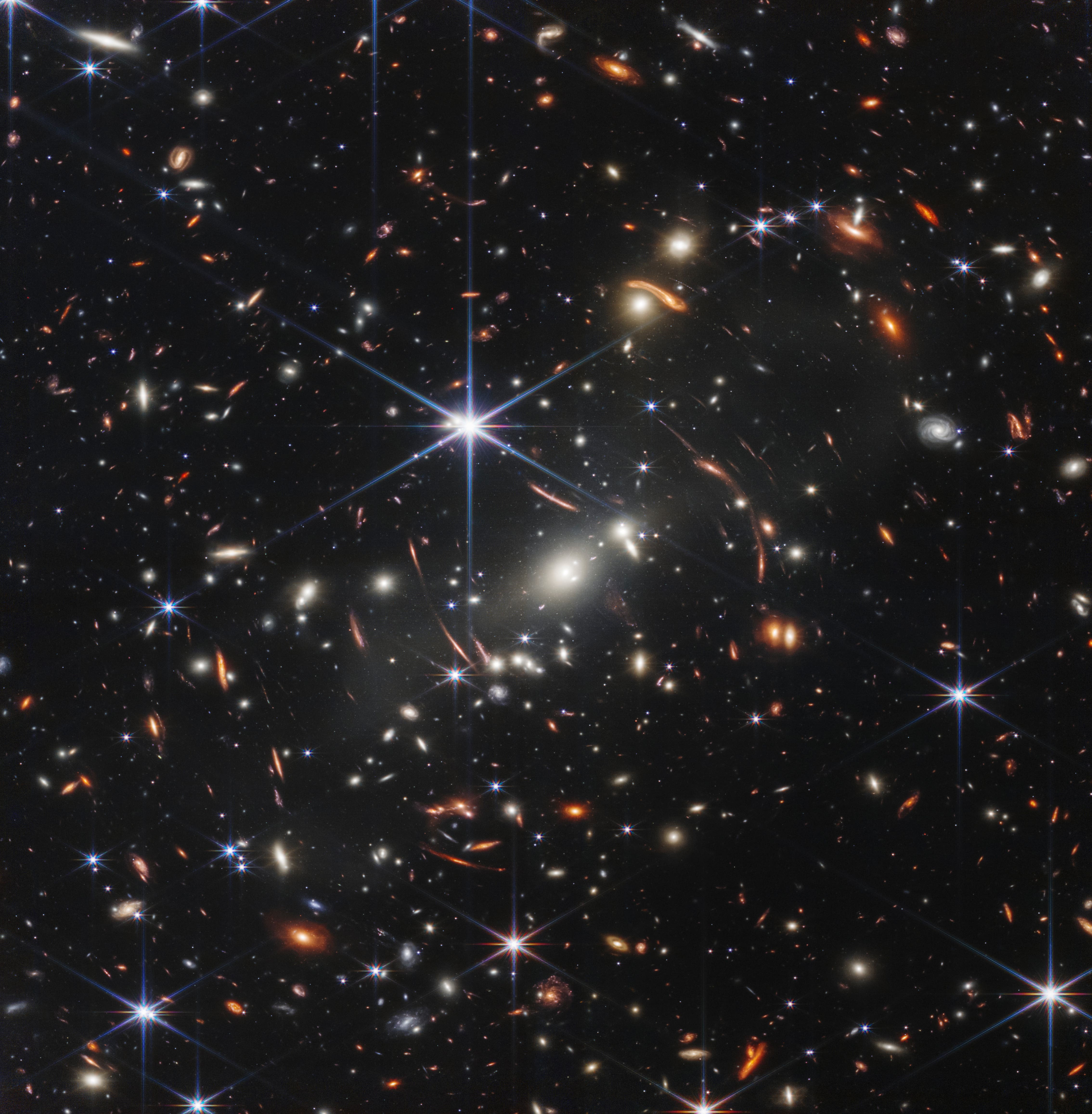
This week, NASA released new images taken by the telescope, which was designed to look so far back that scientists can see a glimpse of the dawn of the universe about 13.7 billion years ago.
Find out what's happening in Sayville-Bayportfor free with the latest updates from Patch.
The telescope will see past cosmic dust to reveal light from faraway corners of the universe, NASA Administrator Bill Nelson said Tuesday.
"You watch some TV shows that are about science or about space," said Lundquist. "A lot of the images that you see are manufactured, they're animated or illustrated. But these are real, and they just look so amazing."
People across social media platforms — including President Joe Biden — were captivated by the photo's beauty and clarity.
For Lundquist, who worked on the project for 13 years, the project is more than satisfying to see completed.
"It was really amazing to see all of the instruments and cameras that we had defined, developed, built and tested all work flawlessly," he said. "It's so rewarding to actually see it."
Born in Huntington Hospital, Lundquist grew up in Northport until high school. According to his NASA biography, his father was a boat builder and boatyard owner. His mother worked as a movie theater manager.
He then attended James Wilson Young High School, now known as Bayport-Blue Point High School. As a student, Lundquist enjoyed mathematics, and credits his AP Calculus teacher, Mr. Poten, for seeing his potential.
"He was a great instructor and guided me through the AP calculus test," he said. "I thought it was just fantastic."
His guidance counselor however, convinced him to study engineering.
"In the late 1970’s environment, he didn't think that a mathematics degree would necessarily lead to employment," he said.
Lundquist then went on to receive his bachelor's degree in electrical engineering from Northeastern University, graduating in 1983.
He later went onto work for NASA's Goddard Space Flight Center in Greenbelt, Maryland.
His 33-year-career consists of working on historic space projects, such as collaborating with famous astrophysicist John Mather to create the Cosmic Background Explorer, (COBE), launched in 1989.
In 2006, Mather and his team received the Nobel Peace Prize in Physics for their work using satellite to measure the heat radiation from the Big Bang.
Lundquist also contributed to the creation of the Hubble Space Telescope, which was launched in 1990. It was the first-ever space telescope, and continues to remain in operation.
"The Hubble Space Telescope was the most productive scientific laboratory in human history, based on the number of scientific papers," said Lundquist. "There's no reason to believe that the James Webb Space Telescope will not surpass it in the number scientific discoveries that it makes."
In 2002, he went onto lead the development of the cameras aboard NASA’s $10 billion James Webb Space Telescope.
The making of the telescope, he said, definitely came with its own set of challenges.
For example, when his team discovered the original design of the camera didn't work, it took almost two years to make a more adequate one.
In 2010, the team discovered they were behind schedule and over budget.
"The program was almost canceled," Lundquist said.
But then, an independent review resulted in increased funding through 2018. Further technical problems also resulted in delaying launch until 2021.
Lundquist left the James Webb Space Telescope project in 2016, after the construction of the camera aspect had been completed.
He is currently working on NASA's Artemis mission, which is intended to send a rocket around the moon this fall, and then a crew of astronauts to the moon in 2024. According to its website, the mission intends to land both the first woman and first person of color on the moon.
However, the best part of his job, he said, was not about what's out in space, but the people here on Earth.
"I really just like working with highly educated and intellectual people on a daily basis, meeting new people pretty much every day," he said about NASA. "I think it's just the best place to work."
Get more local news delivered straight to your inbox. Sign up for free Patch newsletters and alerts.