Community Corner
Spotting Shingles: What To Watch Out For
Learn more about the virus that causes an uncomfortable rash, and several other unsightly and painful problems.
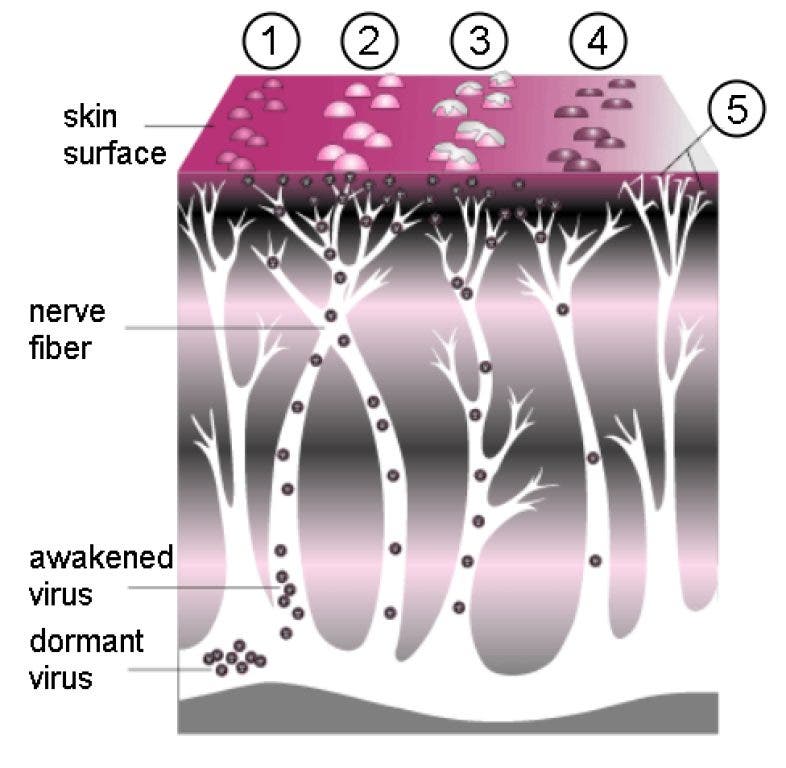
If you have ever had the chickenpox, you know how much of a torment they can be, but did you know that once you have contracted a case, the virus never leaves you? And that the virus, varicella-zoster, is the very same that causes shingles?
Shingles, or herpes-zoster, is a nasty disease that can be caused by multiple factors: reduced immunity due to illness, cancers, spinal cord injuries and immune suppressing drugs and also, our old nemesis, stress. Any type of physical or emotional stress can cause an outbreak, so if you are at risk, try to keep your life serene, especially if you are older than 55. Shingles is not usually contagious, but coming in contact with the fluid in the blisters can contribute to transmission. So if you are treating a person at home, wear non-latex gloves and wash up thoroughly, segregate towels and washcloths and bedding and wash it all in the hottest water and bleach.
The first sign of shingles can be chills fever and body aches for a few days. It feels flu-like, so the victim doesn't realize shingles is on its way. Another symptom can be an extremely painful backache, as the virus moves up the spinal column. The varicella-zoster then attacks the nerve endings in the skin, in turn creating an itching, burning rash of tiny blisters which, when they burst, create a crusty and sometimes wet, rash that can last up to 14 days.
Find out what's happening in Sayville-Bayportfor free with the latest updates from Patch.
Infected nerve endings then go into overdrive as the virus goes on to its third phase, and this is where the trouble really begins. The skin becomes excruciating to the touch (I have had patients unable to wear clothing they are in so much pain). If the virus outbreaks near the eye, you must seek medical help immediately as it can and does cause blindness. Shingles doesn't usually kill you, but it can make you wish it would.
One elderly patient suffered the effects of shingles for over a year, and got little relief from conventional treatments, such as Acyclovir. The only relief she could obtain was from a combination of L-Lysine and capscaisin cream applied topically and Beta-1,3 DGlucan. There was no vaccine at the time. I'm not an opponent of vaccination per se, I feel they are overused and badly administered in "bundles", but in reality, they are the next phase of Homeopathy, where you take a portion of what ails you to stop it. If I were at very high risk for shingles, I might consider the vaccine, and this is and always must be, a personal choice.
Find out what's happening in Sayville-Bayportfor free with the latest updates from Patch.
Sadly, shingles can and do last longer than a few weeks in some patients, causing a syndrome called postherpetic neuralgia, but this is usually seen in seniors. An astonishing 750,000 Americans will suffer from shingles this year. For those who suffer from immune system deficiencies, or the frail elderly, it can be devastating and lead to permanent blindness, loss of hearing or paralysis. It can be life threatening in these patients so I would recommend a consult with your M.D. concerning the vaccine if you are in one of these groups.
Meanwhile, use stress relief, eat a balanced diet, take a multi-nutrient, avoid constipation and keep hydrated. Seek treatment at the very first sign of shingles. It can greatly reduce the severity of the attack and save you a lot of suffering.