Politics & Government
Tax Cap, Salary Cause Worry at District Budget Release Meeting
District administration releases the 2011-'12 proposed budget to the public and the Board of Education.
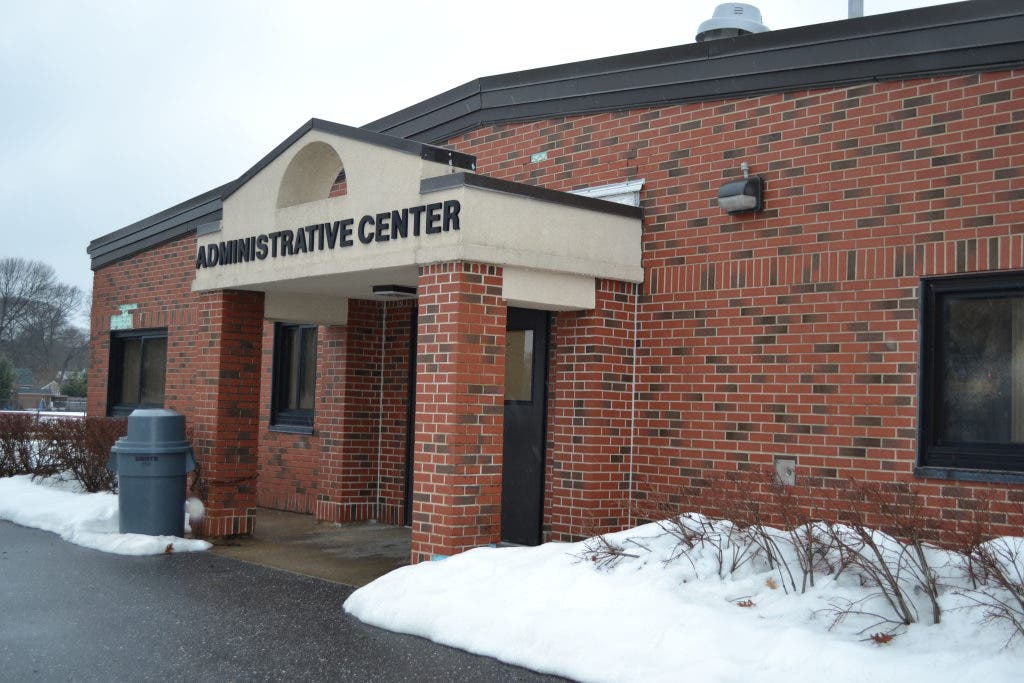
The administration released its proposed $64 million budget for 2011-12 on Tuesday night at the meeting. The yet-to-be-finalized spending plan reflects a three percent increase over the 2010-11 school budget.
Community members questioned the budget increase in these times of economic despair. Residents asked, "Why an increase? More importantly, why an increase in salaries?"
The budget shows a 5 percent increase in administrative salaries and a 3 percent increase in steps in teachers’ salaries. A number of community members at the meeting voiced concerns about salaries and asked if administrative members would be opposed to taking pay cuts.
Find out what's happening in Sayville-Bayportfor free with the latest updates from Patch.
Anthony Annunziato, school superintendent, admitted to already self-imposing a salary freeze and funding some of his own travel. “I am not adverse to making concessions,” he said.
Annunziato also pointed out that many of these salary increases are part of the contracts and out of the board’s control.
Find out what's happening in Sayville-Bayportfor free with the latest updates from Patch.
Though salary lines and benefits increased on this year’s budget, significant reductions were made in attrition and programs, while the district also pulled out some of its reserves. These reductions saved the district $1.8 million.
And while this year's budget process will be challenging for local school administrators, Annunziato repeated his dire concern for next year.
He said Albany and Gov. Andrew Cuomo believe that Long Island is richer than the rest of the state. In fact, Long Island educates 17 percent of the state’s students, yet only receives 12 percent of state aid, the superintendent said.
Michael Cipriani, assistant superintendent of finance and operations, said using reserve money would help shield the major effects of a possible tax cap and use it as a reduction. However, if that money is not restored, the district will not be able to maintain a reliable fund balance for the future.
“Basically, the reserves are our savings and if we don’t replenish those savings at the same time, we will lose money,” Cipriani said. “We have been waiting to use those reserves for a rainy day, but we are up to that rainy day. We need it to reduce the effects of that tax levy.”
While the governor proposed a 2 percent property tax cap, which the state senate recently approved, the assembly has yet to vote on the proposal. And even should the tax cap be signed into law this year, it would not have an impact on this year's school budget.
Annunziato explained that the state puts many burdens on school districts in terms of mandated costs and a tax cap will only make the situation worse. “Deficits would be exacerbated by increases in uncontrollable costs like pensions, health insurance and unfunded mandates,” he said.
On March 1, Annunziato said the state government is set to release a task force designed to try and relieve these unfunded mandates and municipalities. This could help school districts decrease costs to be able to comply with the 2 percent tax cap next year.
The Board of Education will vote to adopt the proposed 2011-12 budget at its meeting on April 5 at 7:30 p.m.
*The district administration is expected to post budget information on the school district website within the next week. In addition, the school district will also post a list of unfunded mandates.