Business & Tech
Big Tips for Small Businesses with Chris Edwards, CEO and Creative Director of The Third Floor, Inc
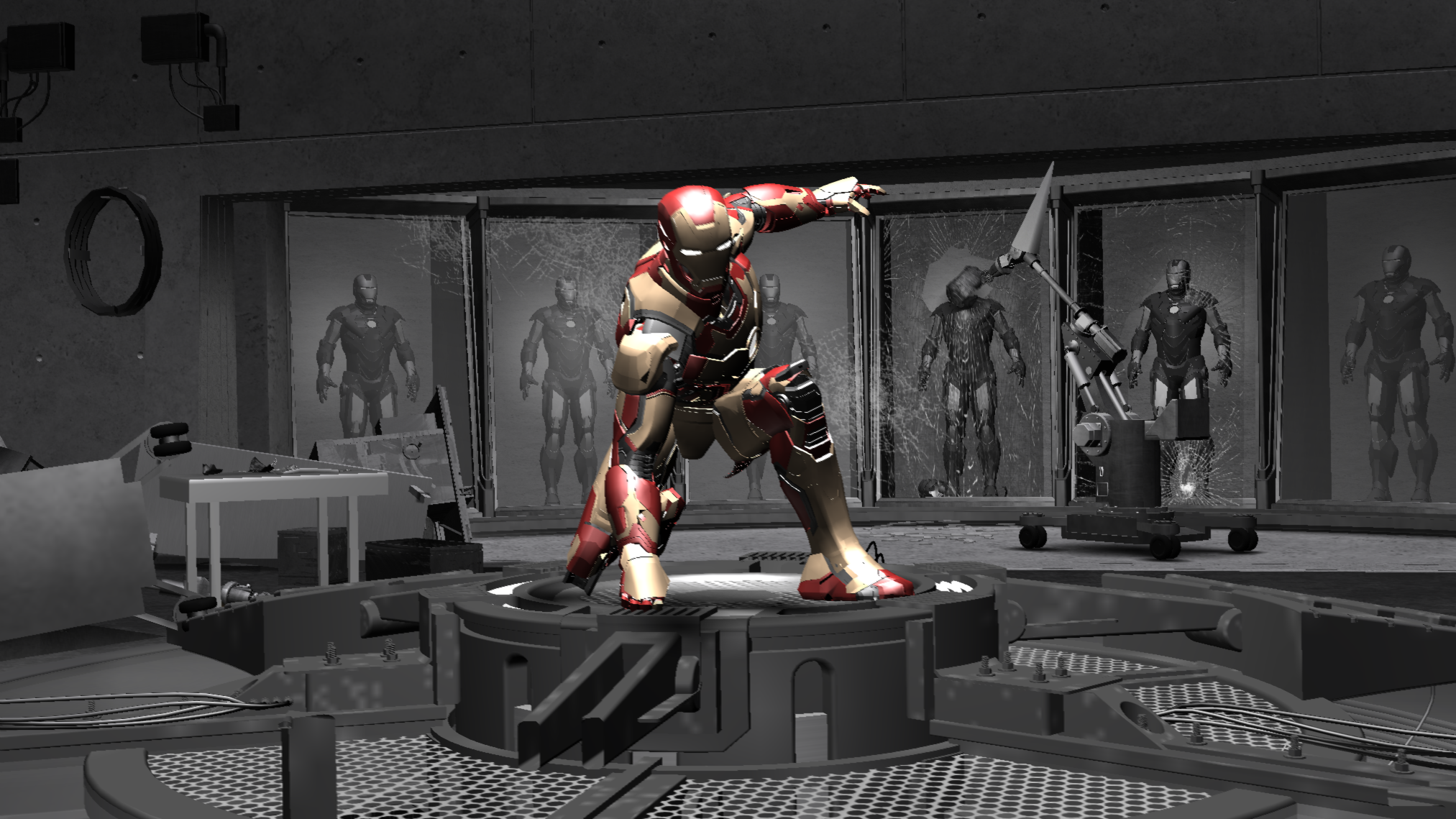


After five years as a Layout Artist and Character Animator at Walt Disney Feature Animation, Chris Edwards joined a team of digital artists at LucasFilm tasked with previsualizing (creating an animated storyboard with 3D images) Star Wars: Episode III – Revenge of the Sith. Following that production, with a life-changing credential to his name and a team of the best talent in the business, Edwards spearheaded the creation of The Third Floor, Inc. in Los Angeles in October 2004. The Third Floor has gone on to become the world's largest international previs company, contributing to feature films like Avatar, Alice in Wonderland, Iron Man 2, Thor and The Avengers, as well as commercials and video game cinematics.
We spoke to Edwards about the challenges of going from the life of an artist to that of a CEO and the steep but rewarding path to independent business success.
How did you find your way to previs?
My dad was teaching me high-end math and calculus, and my mom was trying to combat the nerdiness and take me to the theater and different artistic outlets to broaden my horizons and my perception of art. I would watch classic movies from home on film because you could rent them from the library. I think it was really good training for me visually, and so I ended up having this dualism between my desire for technical problem solving and for creating something artistic and innovative; the amalgam of those two things in my mind is previs.
How is previs used in filmmaking, and what other industries use the medium?
In the feature film industry, [previs] is used to design shots and sequences; it’s the animated blueprint that really gives life to a lot of these very complicated world-building moves like Alice in Wonderland, Disney's Oz: the Great and Powerful and Oblivion. These are epic productions that need to have a detailed visual roadmap for everyone, including all creative collaborators and the technical collaborators, to begin to get a sense of the film that is being made. Because we’re able to rapid prototype these scenes using computer animation, we can include input from the art department, from the DP, and, of course, from the director about what they envision.
Previs is also a universal tool that’s used in many other sectors of media, including commercials, television, video games, designing theme parks, even architectural visualizations of different buildings. We’re able to apply the same principles of advanced visualization and planning to help make production of these projects more creative and efficient as well. The audience is always changing, but the concept of technical planning and using cinematography and film language to amp up the impact and action is the same.
Having found your way into previs, what made you decide to start your own company?
When I was working at Walt Disney Feature animation, I saw that I was limiting myself by what I was expected to do within my job description. There are a lot of different people working in specialized job functions to finish the animation, and I felt like I’m a generalist, I can do this, this, and that, and all three of those things are valuable components that would really help the directors of this film. So I realized that there was room in the market for a group of people that knew how to do three or four different things that could bridge the gap between certain departments and skills. And what if they were to work together as a small team, a band of brothers if you will, to do something really unique that would also be cost effective. And that’s where I could compete. But I was just one guy, so I needed to go and find my team.
That team came together at George Lucas’ Skywalker Ranch, in the large Victorian house that is the creative epicenter for his movies. After a two-year experience among the digital previs artists working there on the film, we knew that the project was coming to an end and there would be some time before another project came around; we would probably be out of a job. We started having meetings and the majority of the previs team for Revenge of the Sith decided to follow my lead. We created The Third Floor; we were essentially the guys in the attic with the lights on, working late at night, or sometimes early in the morning because we were really passionate about filmmaking. That became our symbol and our drive to continue keeping the team together. Five other founders and I came down from San Francisco to Los Angeles and we formed the first version of our company in October 2004. We had to take the leap of faith to say our skills were valuable; we didn’t have all the connections that we needed in the film industry, but in order to start making those connections we need to start with a few small clients.
How did you ramp up from a brand new company to the industry leader you are today?
We were very lucky in that we were recommended by some of our colleagues in the art department at Skywalker Ranch house. They suggested us for work on a theme park attraction, or an architectural visualization of a theme park. We worked very hard on the project and in the time it was funding us, we were able to get another job and then another job and so on and so forth. We really did work project to project initially, which is not exactly the most reassuring way, but we were so dedicated to the idea that what we were doing was a cut above any competition that we kept at it.
How did you create the infrastructure to ramp up so quickly?
[Between] the six of us, we all needed to break up our roles and make progress in different areas of the company. I’m CEO and look out for new business, which means I’m out there facing our clients, making sure that I’m spreading the word about previs, as well as all the things our amazing artists do in house. A healthy amount of business outreach is what’s keeping us growing and what insulates our artists and our core team from the ups and downs of Hollywood and of our economy in general. Because of that security, I’ve been able to attract quite a few amazing artists that consider our company a family, a home for them. With any startup or small business, you’re always wearing multiple hats and it’s about keeping your sanity while you wear all of those hats long enough to achieve certain critical mass and escape velocity from that situation, where you can afford to hire a manager to delegate and to empower to lead things that aren’t your number one skill set.
When we went from 12-18 people to more like 30-35 people, we really did have to invest in infrastructure, which means that we probably made less as a team of 30 people than we did when we were working as a team of 18. That became the stepping stone to allow us to expand to where we are now, which is with over 130 employees; it’s been my experience that you always have to do a bit of a leap of faith, to get to the next plateau, to get to the next level where you can find the time or the resources to begin the next campaign to go where you want and to hire up to get to that goal.
How have you stayed motivated and where do you see yourself taking the company?
It’s been a series of goals. The first goal was that I just really wanted to work in the film industry. And then, I thought I would really love to work with George Lucas someday, but I never imagined that would happen. And then it did happen. And then we were like well we’re really having a great time together, I hope we can find an excuse to keep this team together and that’s all we really care about and that’s what we did. And then we were like well okay, now it seems like more people want to use our services, so we decided to set new goals, and now we’re basically at the point where we are the world’s preeminent previsualization studio. We’re more than double the size of our nearest competitor; the question is where to go now.
What we’re doing now is creating another company called Hydra Entertainment; Hydra is a response to a feeling that we were having as we go from one high-profile project to another as a service; why are we always just involved as work for hire on these projects when we could potentially generate our own projects and be the authors and the owners of that intellectual property? Our new big leap of faith is to try to become not just the service to the studios but to essentially become a production company. This is one of the biggest things we’ve ever done and it’s going very well, and we have a number of very promising projects that are getting scripted and visualized and cued up for production.
Find out what's happening in Small Businessfor free with the latest updates from Patch.
This has been an incredible journey that I never thought I would go on. Transitioning from an artist to the CEO of a fairly large company is something that I never really had any formal training for; through necessity of having to feed my team, of having to go out there and create a sustainable business, my approach has been forged by common sense and by trusting in several key advisors, particularly on the financial and tax advising side of things. I feel like I’ve gotten my MBA on the fly, but I try to create a schedule for myself which allows me to be 75% involved in the running of the business, securing the company, but I still have 25% of my time available to be the Creative Director; this is my chance to pass on my unique skills and advice to the other supervisors.
As the manager of a company, how do you empower and support your employees?
I’ve learned that making the advice I give as a creative director "food for thought" is the best way to go. I never want be the extra opinion that must be incorporated into the work. This is a theme at our company; we work hard to empower people, not to put them under a structure that restricts them. Part of this is that no one is a permanent supervisor. No one is elevated to a certain position where they are guaranteed to get that every single project. So it really is a culture of equality and of responsibility.
What challenges have you faced, growing your team and your business so dramatically so quickly?
As a company gets larger, it naturally feels more like a machine. As hard as you try, you get distanced from the individual people working with you. We were consciously aware of this impact; we wanted to make sure that the company culture didn’t suffer as we expanded and did all of these amazing things. So, we have to overcompensate with activities and social outlets to get people to communicate even outside the workplace. Every Friday, we have a company-sponsored barbeque or gourmet food that is prepared for the whole company. This is just a small expense that I recommend other business owners adopt, because a little bit of investment goes a long way. The idea is to do more things that show your appreciation to the employees as well as provide a platform for them to communicate with each other socially.
A lot of business owners don’t consider the advice that they have at their disposal: if you’re running a restaurant and you interview your waiters about the things on the menu that everyone really likes. Maybe that feedback will help you at least optimize the menu you have. I go further and say, "Well, what would you add to the menu?" I can’t come up with all of the ideas, even if I’m the best chef in the world. [The artists] don’t just contribute by doing their job, they contribute by expressing their opinions. I think that all of that extra stuff only seems like it takes time away from the project or your productive time actually delivering the job. It actually optimizes the remaining time. It’s really what helps with retention of our employees – making sure they don’t have any really preventable excuses to leave the company.
How do you keep your customers happy and grow your business?
You have to under-promise and over-deliver; it’s a cliché but we do that every single day. Just to get the work, we needed to focus in on efforts tailored to each specific market. For example, the feature film industry is all based on relationships with individuals. Even a major studio is really run by a handful of influential people that are relevant to your business, and you need to get to know those people personally. Even if they’re not necessarily your best friends, they trust you and they know that you’re a go-to resource. It’s taken many years to build [those relationships] genuinely. The video game market is something where there’s a lot more chance for marketing through tradeshows and other conferences. It’s very hard to get access to the actual movers and shakers, because they end up spending years of their lives working on a single project. We have a big push of setting up meetings at conferences that are opportunities for all the influential people to be in the right place at the right time. I have also relied a lot on other strategic alliance partners that know their market well. They end up using our company as a feather in their cap. Allowing other people to further their businesses by using your brand as a potential joint venture co-production opportunity has been key; so many people are so cagey about that and not very trusting of other potential partners; they end up wanting to do some kind of legal licensing of their brand. If you’re confident in who you are and you have a good sense of the partners that you could collaborate with and how that works together synergistically, then you can do amazing things just by trusting them and allowing them to spread your name around.
The universal advice is that whenever possible, try to get an in-person meeting with the highest decision maker you can possibly connect with. Ideally, invite them over to your facility and show them that you’re not just a company, but you’re all these people that work here that are also very nice and very capable. They begin to treat you more like a real thing, and not just an option among many other options. If you can then sell that you know what they’re going through and that here’s a possible solution to all of those worries that they have, then they’re more than likely going to go for it, but you have to be knowledgeable about their mindset and their experience. Over time you know what that’s going to be, but at first you can get a long way simply by asking questions – what do you want to get out of this project? What are you the most concerned about? As long as there’s a healthy amount of looking someone in the eye and understanding their plight, you will have a much better working relationship.
As far as actual advertising, I think our work speaks for itself; in this day and age, you can just share your work and get a lot of buzz going based on that. That said, we do strategic advertisement when it supports a society like the Visual Effects Society or the Producers Guild and there’s an interesting event where we’re getting a good cross-section of the right target audience. The ad will say “Congratulations to the director that we had the honor of supporting on this big production.” Even if you can afford to be bragging about your accomplishments, don’t go there. Your work will speak for itself; your brand should be strong enough to make people desire it.
What is your advice to entrepreneurs just starting out?
Never give up. If you have a passion, follow it. Even though there will be many pitfalls and impediments in your way, trust in your friends and your team and do the best you can to stay true to your original vision. Have your sight set on the thing that inspired you originally; as long as that mission is something that you’re persistent at, I’m sure you’ll achieve it in one form or another.
For the latest updates from The Third Floor, Inc, visit their website.