Community Corner
Smithtown, A History: Joel L. G. Smith
The former owner of Deepwells Mansion lived a life of success and sadness.
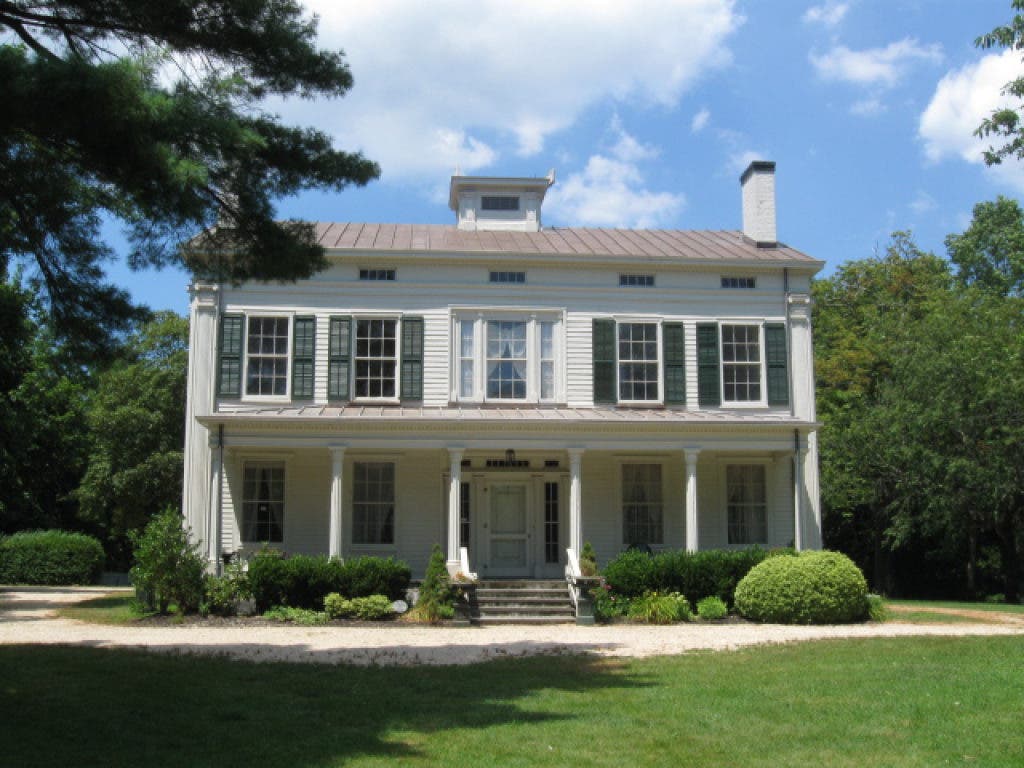

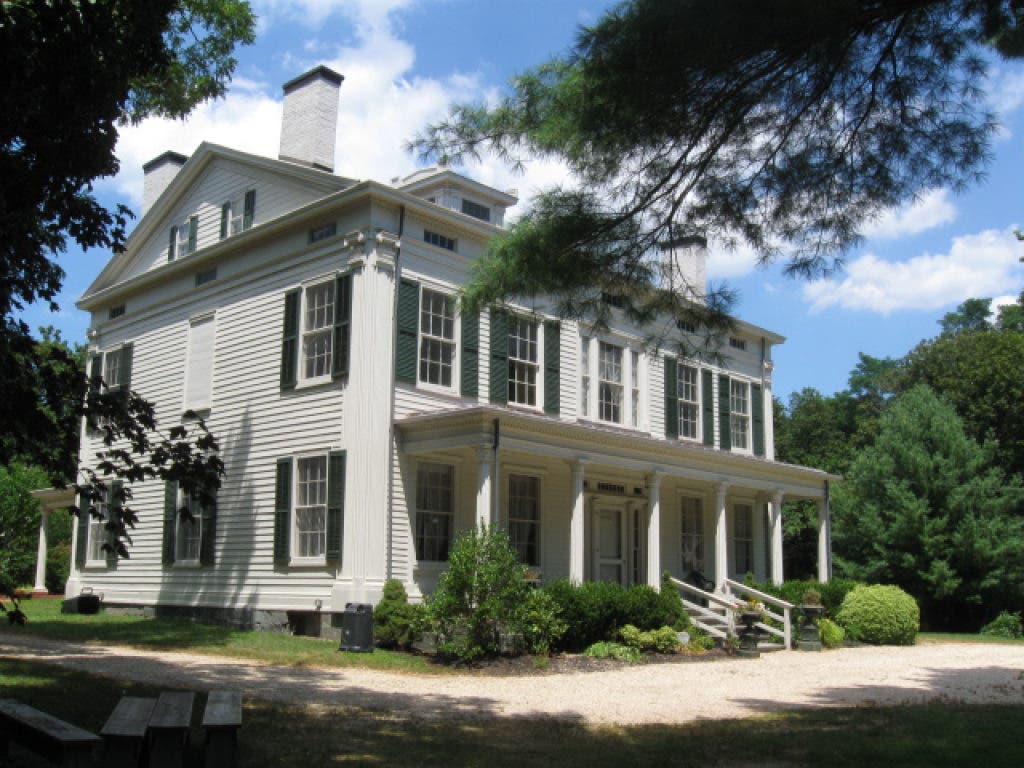
Smithtown residents may be familiar with however, most know little about the home’s original owner Joel L.G. Smith.
Local history writers have documented a few of the milestones in Smith’s life. A descendant of town founder Richard Smythe, Smith was born in 1819 and grew up in the home Sherrewogue that belonged to the Smith’s since the late 1600s.
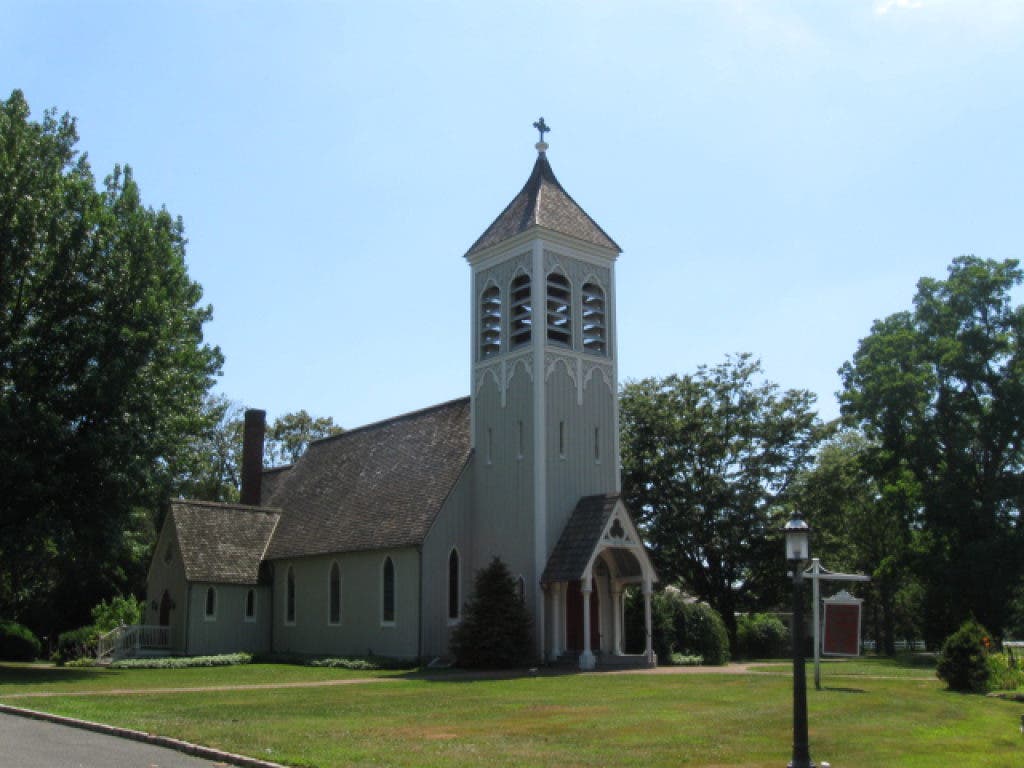
, his relative was one of the first officers of the St. James Episcopal Church. He also donated two acres of land in 1854 so the church building could be constructed.
Find out what's happening in Smithtownfor free with the latest updates from Patch.
Smith had the home that one day would be known as Deepwells built in 1845, . After the Civil War, he sold his mansion and built a smaller home near Three Sisters Road. This Victorian house was passed down through the family and became known as the Lawson House after his daughter and son-in-law. This home also still stands today and is privately owned.
His property was also the site of a fire that was called the Great Joel Smith Fire in 1862, according to the Judge’s writings. The fire cost an estimate of over a $100,000 worth of damage to homes and woodlands.
Find out what's happening in Smithtownfor free with the latest updates from Patch.
A part of Smith’s land was being cleared for cultivation by setting fire to long grass, when the fire traveled into the woods. According to the Judge, it swept across the eastern part of the town and continued until the headwaters of the Peconic River. Two of the victims brought a suit against Smith and the case lasted a week in Riverhead. There were 100 witnesses, many claiming close escapes. At the end of the case, Smith was acquitted of any wrongdoing.
Smith served as Town Supervisor of Smithtown from 1861 to 1868. Noel Gish, local historian, wrote in his book Smithtown, New York, 1660 – 1929: Looking Back Through the Lens that it was Smith who called residents together to find volunteers to fight in the Civil War.
Gish also wrote that the former town supervisor was one of the land surveyors for the arrival of the railroad in Smithtown. The first locomotive arrived in the town in 1872.
While the former owner of Deepwells led an impressive life, his years were also marked with sadness. In the November 2010 edition of the St. James publication Our Town, Smithtown historian Brad Harris wrote of Smith’s wives. He lost his first wife Anna Lawrence only four years after their marriage, and his second wife Sarah died seven years after marrying Smith. A few years after Sarah’s passing he married a widow, Helen Mills, who raised his children Anna and Joel. The couple also had a daughter Helen.
Smith died in 1876 and is buried in the cemetery of the church he helped established. After a life of both highs and lows, his epitaph simply reads, “Thy will be done.”