Politics & Government
First Drop In NY Opioid Deaths In A Decade: Cuomo
"I worry lawmakers in the general public will think the problem has been solved and take their foot off the gas." – Dr. Jeffrey Reynolds


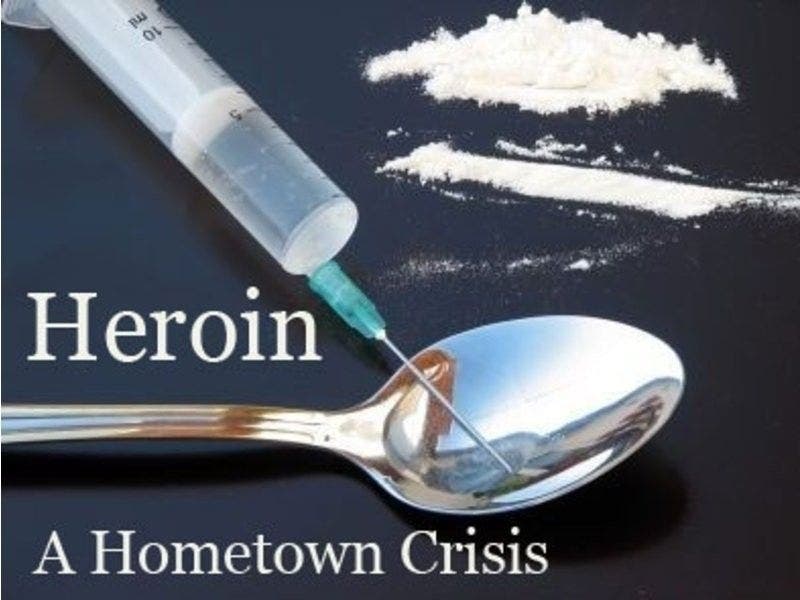
NEW YORK, NY — New York State has seen its first reduction in opioid overdose deaths in a decade, according to Governor Andrew Cuomo.
Cuomo announced Monday that opioid overdose deaths among New York State residents, outside New York City, declined 15.9 percent in 2018 compared to 2017— the first decrease in 10 years. While close to 2,000 people died from opioid overdoses last year, the decrease remains a "significant milestone" and is the result, he said, of "aggressive actions' taken in the past several years to combat opioid addiction.
After years of rising opioid-related overdoses deaths among New York State residents, 2018 finally saw a drop, from 2,170 deaths in 2017, to 1,824 deaths, according to preliminary New York State Health Department data covering areas outside New York City, the governor said. Also, he added, hospitalizations for opioid related overdoses decreased 7.1 percent — from 3,260 in 2017 to 3,029 in 2018.
Find out what's happening in Southamptonfor free with the latest updates from Patch.
Overdose deaths, hospitalization statistics and other data are included in the most recent New York State County Opioid Quarterly Report, available here.
The state's actions to fight back against addiction, Cuomo said, are outlined in the new Heroin and Opioid Task Force Progress report detailing three years of work and improvements to expand and enhance services aimed at attacking the insidious opioid crisis; those task force recommendations were signed into law in 2016.
Find out what's happening in Southamptonfor free with the latest updates from Patch.
"New York's first reduction in opioid overdose deaths in over 10 years is an important milestone and demonstrates our work to combat this deadly scourge is working," Cuomo said. "And while New York has taken the most aggressive actions to combat the opioid crisis of any other state in the country, the opioid epidemic continues to devastate too many families and we will not rest until we put an end to it once and for all."
The needs remains dire, he reminded. "While this is encouraging news, we must remain vigilant as many communities across the state are disproportionately affected by the opioid epidemic. New York State continues work on targeted efforts to prevent opioid misuse and overdoses while enhancing services for people with opioid use disorder and increasing access to those services in areas with the greatest need."
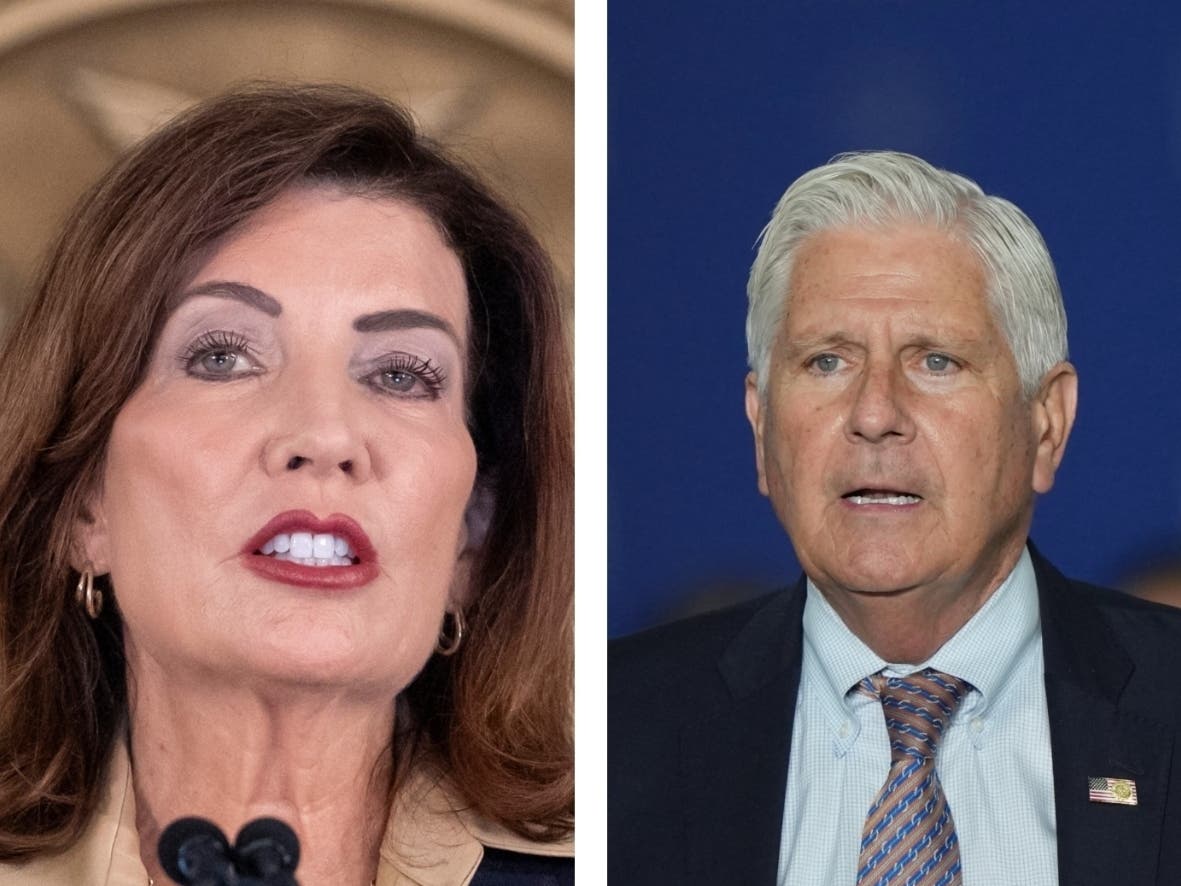
The New York State Heroin and Opioid Task Force was convened by Cuomo in 2016; he reconvened the task force in his 2019 State of the State proposals. Co-chaired by Lt. Governor Kathy Hochul and Office of Addiction Services and Supports Commissioner Arlene González-Sánchez, the task force proposed new, non-traditional services, including recovery centers, youth clubhouses, expanded peer services, Centers of Treatment Innovation, mobile treatment, telehealth and 24/7 open access centers, which provide immediate assessments and referrals to care, Cuomo said Those programs have been established in communities statewide and have helped people in need access care closer to where they live.
On Long Island, Dr. Jeffrey Reynolds, president and chief executive officer of the Family and Children's Association in Mineola, and who also sits on the governor's task force, reflected on the news.
"New York State has made great strides in the past few years in addressing the heroin and opioid crisis," he said. The state, he added, has expanded funding for prevention programs, treatment slots and recovery centers across the state, meaning more services on Long Island.
But there is more to be done, Reynolds said.
"The reduction in overdose fatalities is a step in the right direction, but our progress can be pretty precarious and I always worry that lawmakers in the general public will think the problem has been solved and take their foot off the gas," he said. "The governor has pledged otherwise and as we head into 2020, I hope funding will continue to expand, that New York State will continue to illuminate barriers to treatment, that will see a recovery center funded on the East End, and that Long Island will finally get a recovery high school. If we also take a second look at required classroom education regarding substance use and start to regulate sober homes, I think we will continue to make progress. I’m optimistic that the anticipated opioid litigation settlement monies can be put to use in New York to strengthen the treatment infrastructure, build on our successes and make sure we’re better poised to address emergent drug trends before they become epidemics."
Others applauded the new statistics.
"New York is reducing overdose deaths for the first time in years, and while we acknowledge the tremendous progress we've made, we know all too well the devastating impact opioid addiction is still having on our families and communities," Hochul said.
The Heroin and Opioid Task Force Progress Report details three years of work and improvements to combat the opioid crisis and protect and save lives, she said, adding, "We are committed to continuing that work to ensure that all opioid-related services get to where they are needed most and end this epidemic once and for all."
Highlights of the progress report include an increase in treatment capacity statewide. Since 2016, the state has added nearly 500 new treatment beds, and more than 1,800 opioid treatment program slots.
Federal opioid state targeted response grants and state opioid response grants have funded increases to prevention, treatment, and recovery services in high-need areas; that funding has allowed New York State to increase treatment access in those areas with expanded peer services, mobile treatment, and telehealth, as well as targeted prevention services and recovery supports, a release from Cuomo's office added.
Other improvements include the integration of medication assisted treatment services for opioid use disorder in primary care health facilities and hospitals, which has contributed to an increase of nearly 47 percent in the number of patients receiving buprenorphine prescriptions for opioid use disorders between 2012 and 2018.
There has also been an increase in the number of recovery centers in New York State, from three in 2016 to 32 currently, Cuomo said. Last year, nearly 32,000 people made at least one visit to a recovery center in New York State, he said.
Other highlights, Cuomo said, include the streamlining of regulatory requirements and issuing medical guidance supporting the rapid initiation of MAT, enabling patients to access these lifesaving medications on the same day they enter a treatment program; increased prevention services, including prescriber education, limiting of many opioid prescriptions, expanded awareness campaigns, and support for regional coalitions and partnerships that invest in prevention initiatives on a local level.
Other efforts have included removing many of the insurance barriers that kept people from seeking treatment, including elimination of prior insurance approvals for inpatient treatment; as well as expansion of access to the overdose reversal medication naloxone by increasing insurance coverage for the medication, subsidized co-payments, and regulations to require all OASAS-certified programs to maintain naloxone on site, Cuomo said.
There has also been an increase in hospitals across the state initiating MAT in emergency departments after overdose recovery; distribution of joint OASAS/DOH best practices for using buprenorphine to treat OUD; and expansion of drug user health hubs, the governor said.
Get more local news delivered straight to your inbox. Sign up for free Patch newsletters and alerts.