Politics & Government
New Pilot Program To Tackle Harmful Algal Blooms In Lake Agawam
"These toxins are a public health and safety risk to the surrounding community and negatively impacting our tourism-based economy."


SOUTHAMPTON, NY — After years of harmful algal blooms in Agawam Lake in Southampton Village, New York State Governor Andrew Cuomo announced an innovate new pilot program to tackle the problem.
Agawam Lake has been front and center in the battle against harmful algal blooms, or HABs. In 2018, the lake had the densest growth of the toxic blooms ever recorded, reportedly more than 3,000 times higher than Environmental Protection Agency’s thresholds for harmful conditions, according to a 27east.com post.
The pilot, aimed at bringing back clean water to Agawam Lake, is a collaboration between the New York State Department of Environmental Conservation and the Office of General Services in partnership with the Village of Southampton.
Find out what's happening in Southamptonfor free with the latest updates from Patch.
The pilot project is part of New York State's $82 million initiative to study, respond to and prevent HABs in New York waterbodies.
If the pilot in Agawam Lake proves successful, it will be applied statewide, Cuomo said. The HABs initiative was launched in 2018 with $65 million in state funding, the governor said.
Find out what's happening in Southamptonfor free with the latest updates from Patch.
"Safeguarding New York's water quality is a top priority and we are providing direct assistance to communities to swiftly and effectively respond to harmful algal blooms," Cuomo said. "We are deploying new and innovative tools like the HABs harvester to address the algal blooms in Agawam Lake, and will continue exploring the latest technology to eliminate these blooms altogether and keep waterbodies around the state clean and safe."
Here's how it works: The mobile algae harvester will separate algae and other substances from the water and return the resulting filtered and improved water to the lake to abate the HAB, a release from Cuomo's office said.
The algae harvester uses technology that is often employed within drinking water plants, the release added.
Agawam Lake, a scenic recreational park in the Village of Southampton, right in the heart of the Hamptons, has been besieged by algal blooms that threaten the lake's water quality since at least 2013.
The problem has been insidious across the East End and Long Island, with many instances of cyanobacteria blooms reported this year alone.
While the exact cause of HABs is not fully understood, the blooms usually occur in waters high in phosphorus and/or nitrogen, Cuomo's release said. New York State has a plethora of programs and activities to reduce phosphorus and nitrogen from entering the water from surrounding lands, including stormwater permitting programs, funding for water quality improvement projects, and a nutrient law that restricts the use of phosphorus lawn fertilizer.
Each of the East End towns and villages has been working for years to combat the issue of keeping local waterways clean.
The algae harvester, which has been used successfully in other states, is being piloted in New York to see if it will help remove algae from the lake, Cuomo said.
The algae harvester will be temporarily installed at Agawam Lake Park and is expected to be operational for two weeks. The DEC will sample and closely monitor the lake for changes while the pilot project is being conducted, Cuomo said.
The initiative drew widespread support. According to New York State Department of Environmental Conservation Commissioner Basil Seggos, the new pilot project in Agawam Lake will advance New York's efforts to address the potentially toxic algal blooms.
"As an island, water is one of our most precious resources, but the presence of harmful algal blooms continues to threaten our way of life," said Suffolk County Executive Steve Bellone. "Thanks to Governor Cuomo's historic investments, we are no longer kicking the can down the road, and the launch of this new comprehensive program will help ensure clean water for generations to come."
Suffolk County Legislator Bridget Fleming, whose South Fork district includes Southampton, agreed. "Waterways throughout our region are at a critical state and improvements to Lake Agawam are essential to Southampton Village's economy and quality of life. Algal blooms in this lake, the centerpiece of Southampton Village, have registered thousands of times higher than the standard for blue-green pigment set by the DEC. These toxins are a public health and safety risk to the surrounding community and negatively impacting our tourism-based economy."
Algal blooms are a harmful threat to local waters and to the health of residents, said Southampton Village Mayor Southampton Village Mayor Jesse Warren. "This innovative response attacks the issue head on," he said.
Most blue-green algae, or cyanobacteria, blooms are harmless, experts say. However, exposure to toxins and other substances from certain HABs can make people and animals sick. The increasing frequency and duration of HABs also threatens water quality and recreational use of waterbodies essential to ecosystem health and statewide tourism, experts agreee.
HABs have been detected in more than 400 water bodies since 2012. To address HABs, the DEC works with the State Department of Health and other agencies on a comprehensive monitoring and reporting program. In addition, the Department Of Health's public health protections includes oversight of regulated beaches and public water systems Cuomo said.
At Cuomo's direction, the DEC and DOH are leading a multi-agency, statewide initiative to aggressively combat HABs and protect drinking water quality and the economy. In 2018, four summits brought together national, state, and local experts to discuss how to reduce the frequency of these blooms.
After Cuomo's 2018 State of the State announcement, state agencies allocated more than $82 million in competitive grants for projects to address nutrient pollution in water bodies where HABs have been detected.
The funds are in addition to a multi-year HABs research, advanced monitoring, and pilot programs initiated in 2018 to the tune of $11 million, not including funding allocated for day-to-day drinking water quality monitoring and response undertaken by water purveyors in response to a specific HAB event.
Residents are advised by the DEC to "Know It, Avoid It, Report It," when it comes to HABs.
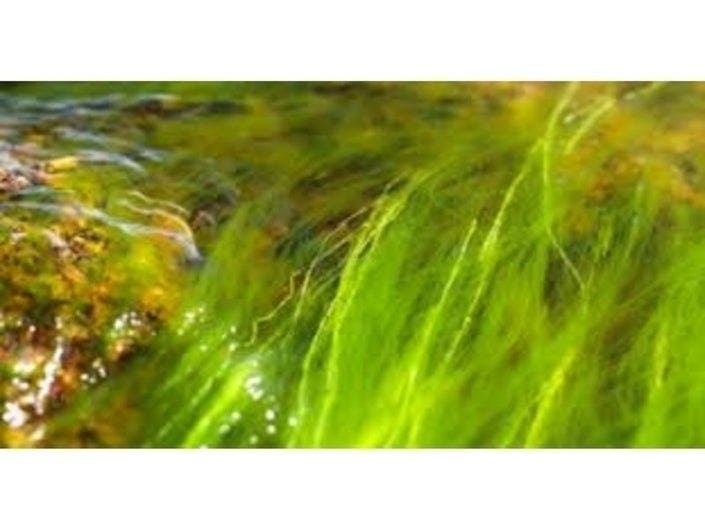
HABs vary in appearance from scattered green dots in the water, to long, linear green streaks, pea soup or spilled green paint, to blue-green or white coloration, the release said. People, pets and livestock should avoid contact with water that is discolored or has algal scums on the surface. If members of the public suspect a HAB, they are asked to report it through the NYHABs online reporting form available on the DEC's website. Symptoms or health concerns related to HABs should be reported to the DOH at harmfulalgae@health.ny.gov.
Get more local news delivered straight to your inbox. Sign up for free Patch newsletters and alerts.