Politics & Government
Southampton School Cafeterias Reject 'Pink Slime'
Cafeterias will serve ground beef without lean beef trimmings.

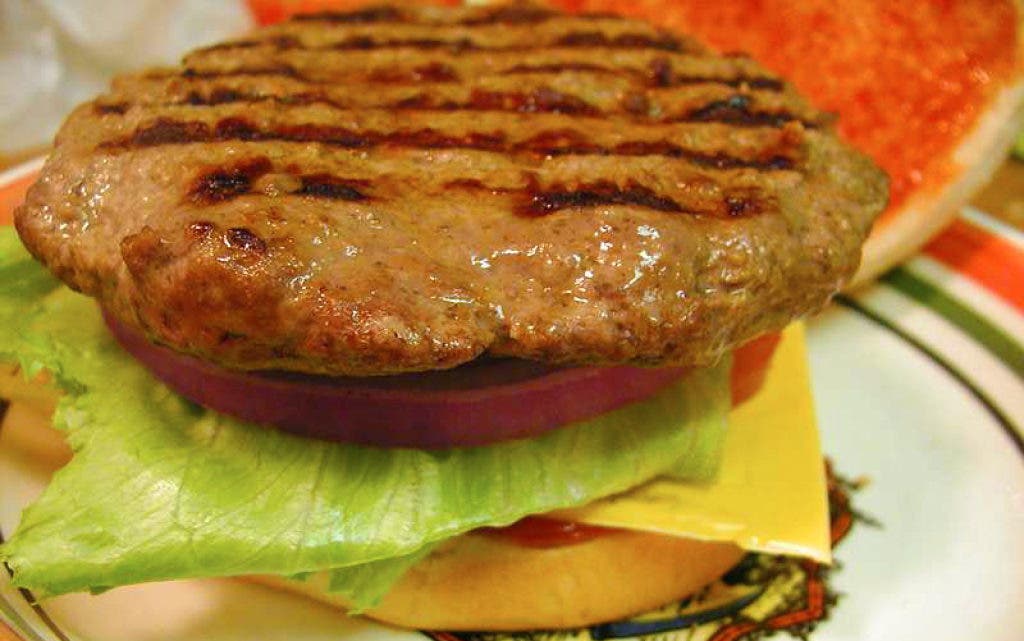
Despite a higher price tag, cafeterias will opt for ground beef free of a controversial meat product that has made national headlines lately.
The common name is "lean beef trimmings," the U.S. Department of Agriculture calls it "lean finely textured beef," but lately the product is often called "pink slime."
The USDA define it as a "meat product derived from a process which separates fatty pieces from beef trimmings to reduce the overall fat content." The next step is that the beef trimmings are treated with ammonium hydroxide to kill pathogens such as E. coli. The trimmings are then mixed with whole-muscle meat. The USDA states that products containing lean finely textured beef are safe and nutritious.
Find out what's happening in Southamptonfor free with the latest updates from Patch.
Regan Kiembock, the children nutrition program director for Southampton Schools, said Friday that the USDA announced last week that school districts will now be given the choice between beef with pink slime and beef without. For her, the choice is a "no-brainer."
Among three schools in the district, Southampton only uses about 2,000 pounds of ground beef a year, according to Kiembock. She said the district enlists a private company to make hamburger patties and meatballs from the government beef.
Find out what's happening in Southamptonfor free with the latest updates from Patch.
Kiembock said she inquired with the company about lean beef trimmings and was surprised to learn that "everybody uses this beef," though she said the pink slime content in the ground beef is only about 6 percent.
But McDonald's, Burger King and Taco Bell have all discontinued their use of the product.
“McDonald's is not serving it anymore; Why is USDA thinking it's safe for children or even desirable?" Kiembock said.
She said E. coli is concentrated in the fat of beef, making beef trimmings a riskier product than whole muscle meat. She acknowledged that ammonium hydroxide is used in many foods, including baked goods, cheese and condiments, and generally considered as safe. But still, after research, she determined, "We want the real beef."
Southampton school cafeterias have a meatball hero day once a month and hamburgers are offered as a option daily, Kiembock said, however, very few students opt for hamburgers.
Kiembock aims to add more produce and beans to the menu and she noted that the cafeterias serve vegetables grown in the school garden and locally grown apples from in Water Mill, because she likes to know exactly where food is coming from.
“We’d like the healthiest food for our children,” Kiembock said. “Don’t we want our kids to get away from red meat anyway?"