Community Corner
Aging In NYC: Photographer Captures Senior Life In The City
Photographer Herb Bardavid focuses on seniors getting out on the town for a long-term project. Here are some stories he's shared with Patch.
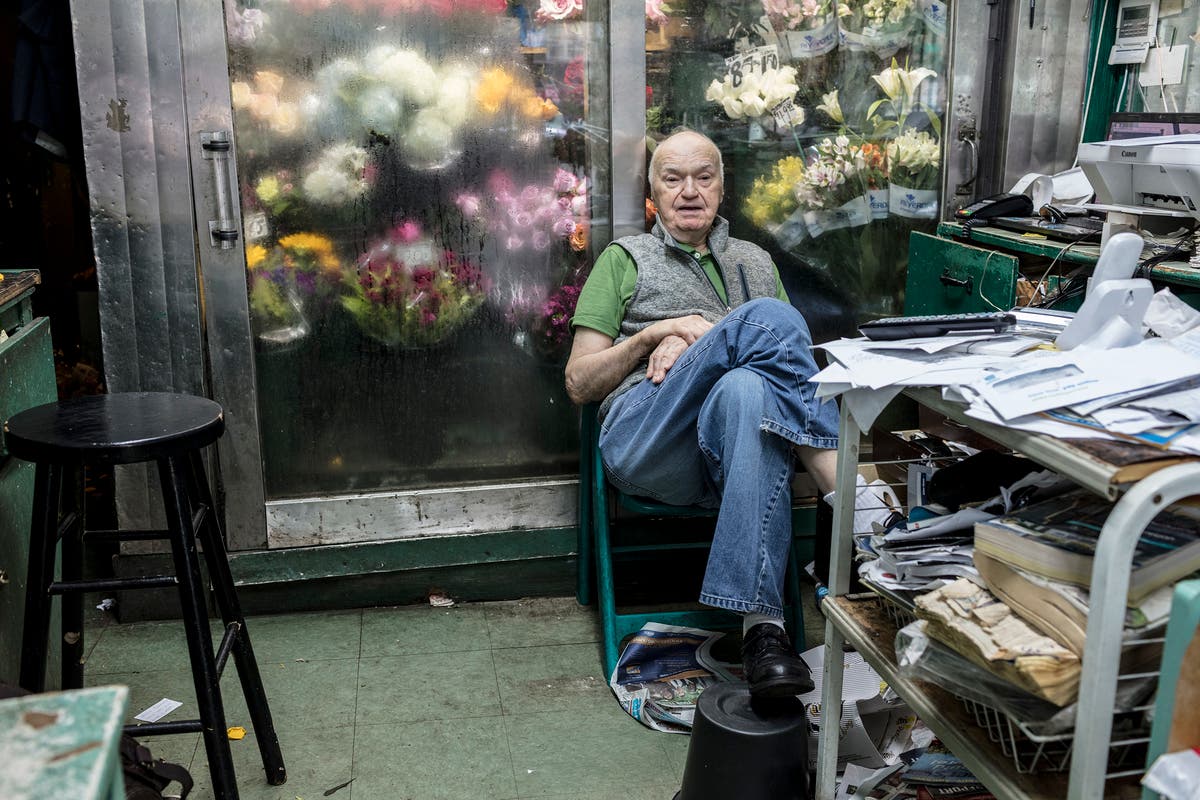
This is John. He owns a flower shop on Third Avenue on the Upper East Side of New York City. It was suggested to me by friends who live nearby that John might be a good subject for my blog.
I introduced myself to John and told him that I would like to photograph him and hear his story as a shopkeeper in New York City. He asked me to see my blog and I showed it to him on my phone. His response was, "that's very nice, but not for me. Come back next week." So, I said of course and sat down. I asked about his shop., He not only began talking, but we ended up talking for about 45 minutes. After about 15 minutes, I took out my camera. He made no objections as I began photographing.
John was born in Astoria, Queens and grew up there. When he was 10, his father brought him to Manhattan for the first time, and he immediately fell in love with the city. He had grown up very poor and shined shoes as a young child. He said he knew how to be the best shoeshine boy there was. If everyone else was getting 10 cents a shine, he would get a quarter.
Find out what's happening in Upper West Sidefor free with the latest updates from Patch.
He also told me about his abilities as an athlete. He was a very good baseball player and even got as far as being scouted by the Phillies. But he never got selected. That led to a painful conversation about the New York Mets, how bad they are and how they are overpaid. He bemoaned the two errors made in last night's game that ended in another loss. I agreed with him having watched the game.
I asked John how old he is and he refused to say. I told him that I am 74 and he said that I was a kid by comparison. John has owned the flower shop for 58 years. It had been his father's, who left it for him. He doesn't think he will be here much longer as everything is controlled by the landlords. If the rent keeps going up, he is not sure how much longer he can keep the shop open.
Find out what's happening in Upper West Sidefor free with the latest updates from Patch.
John lives nearby, and he gets up every morning to come to the shop. I commented that it must be difficult going to the flower market every day. He doesn't have to, as every morning, the flower truck comes to him. He purchases what he needs and returns what he didn't sell. He works seven days a week. If he took a day off, he would lose his stride and fears he would not be able to get it in gear again. e said coming to work every day keeps him alive. He loves Manhattan and said there is not another place in the world like this city.
Clearly, John has been settled here for a long time. Looking around his little shop, it was clear that things had been sitting there for a very long time. John had his place amongst these things and he looked comfortable there. I was in his shop for almost an hour and only one person stopped in. She seemed to be more a friend than a customer. They talked about a mutual friend who was on his way back from Australia. They chatted for a while, and she left without making a purchase.
Clearly getting out and going to work every day is the lifeblood of what keeps John happy and alive in New York City.
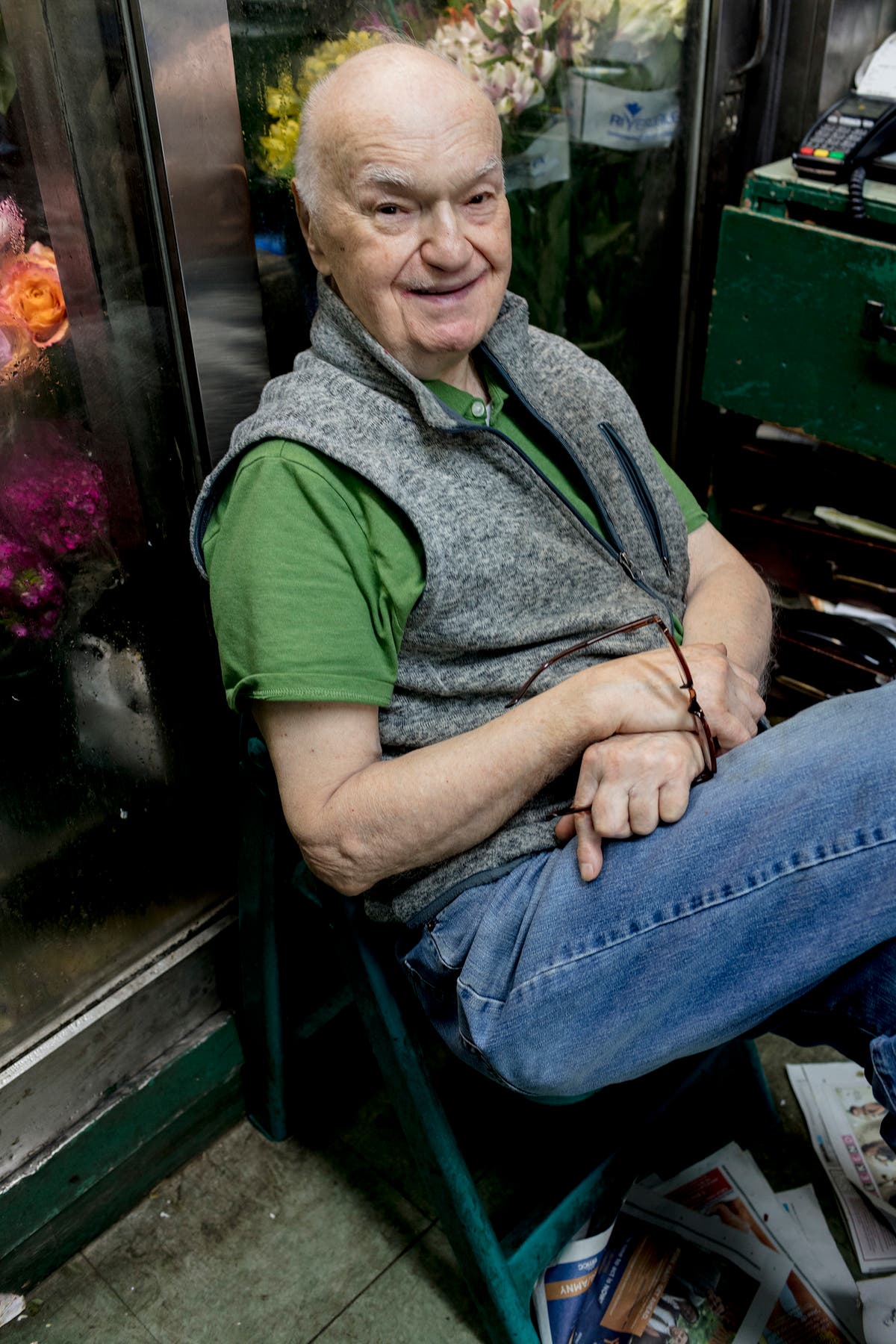
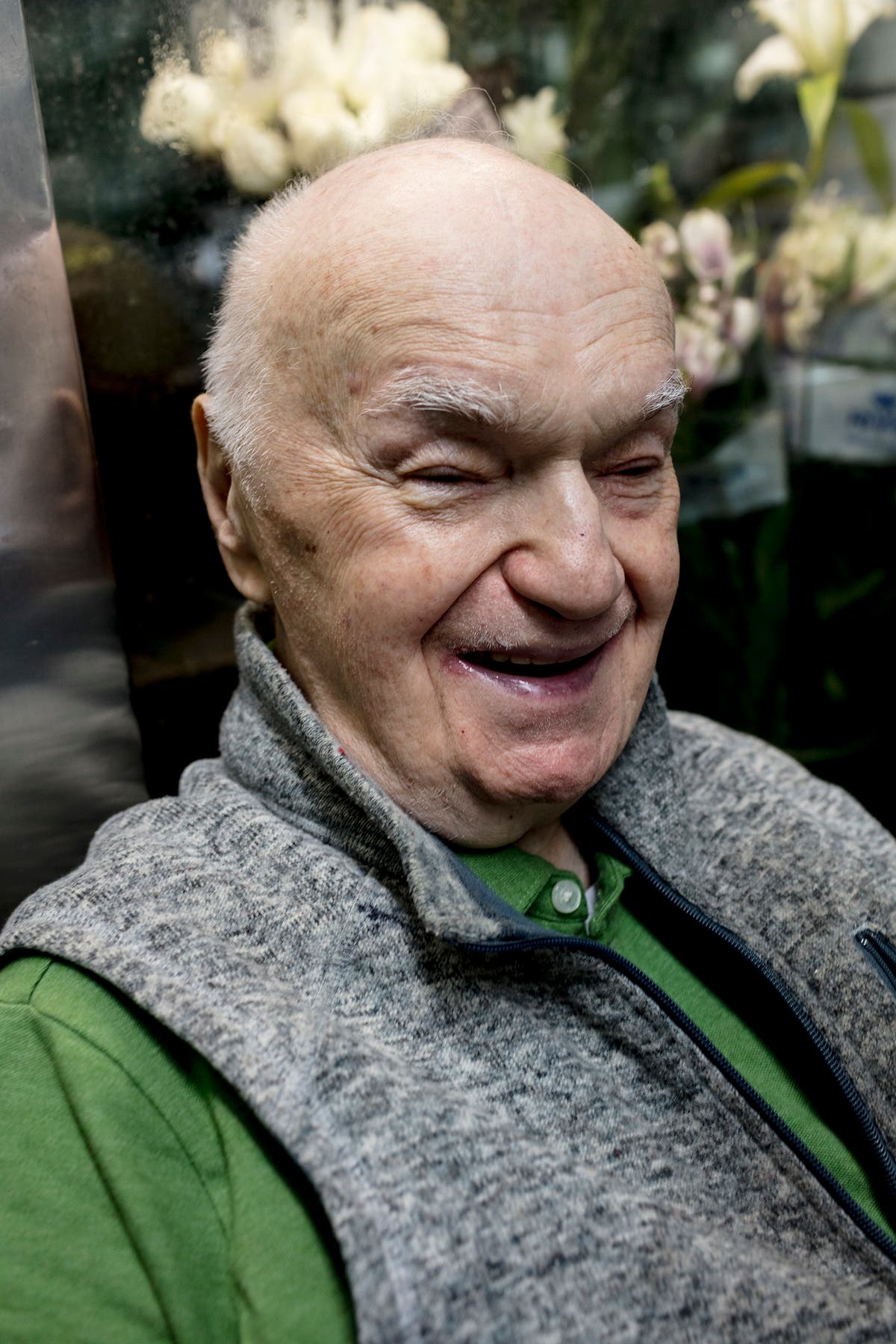
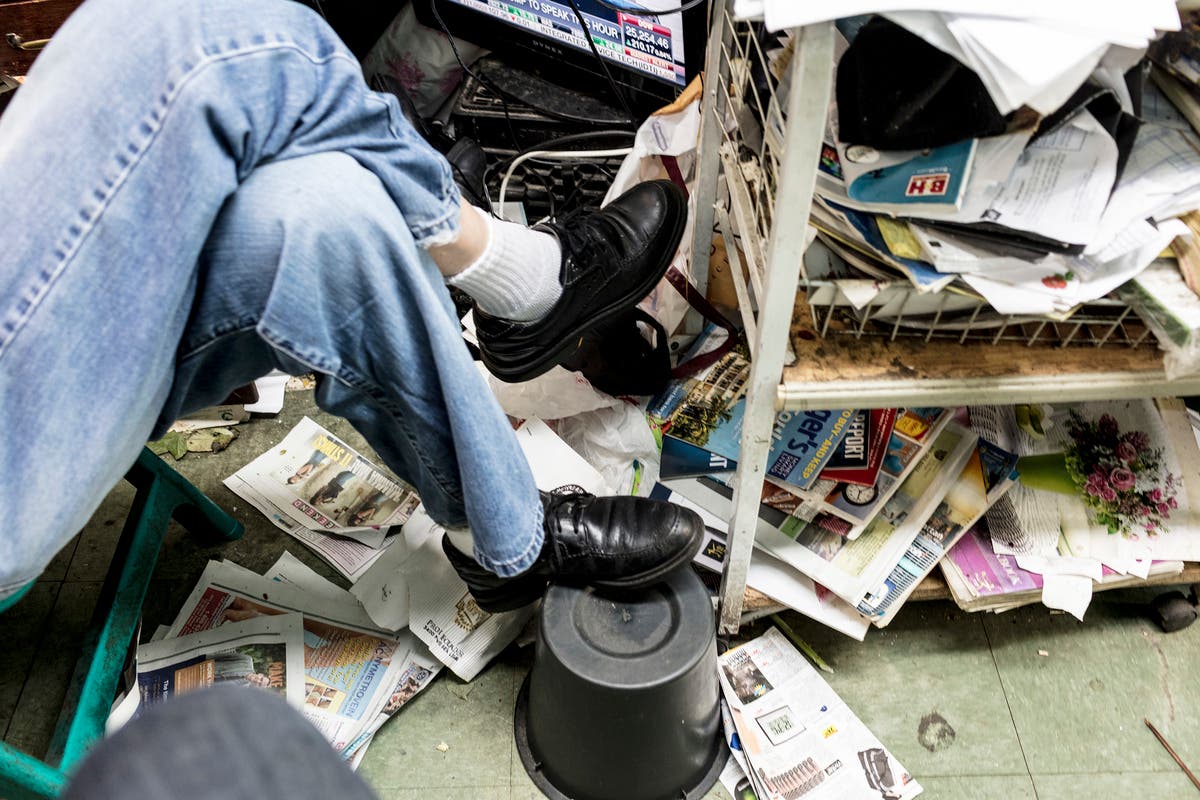
Herb Bardavid is a social worker with a passion for photography going back to his childhood years. When he was 12 years old, Bardavid commandeered his family's only bathroom to serve as a part-time dark room for developing photos. At his wife's suggestion, the Upper West Side resident chose to chronicle the lives of New York City senior citizens for a year-long photography project.
Bardavid, who's in his 70s, is inspired by New York City's elders who don't let their age get in the way of how they live their lives.
"Elderly people in New York City are sometimes invisible," Bardavid told Patch. "People walk by and nobody pays attention to them. So when I stop people they are not only surprised but also happy because people don't often talk to them."