Community Corner
Aging In NYC: Photographer Captures Senior Life In the City
Photographer Herb Bardavid focuses on seniors getting out on the town for a long-term project. Here are some stories he's shared with Patch.
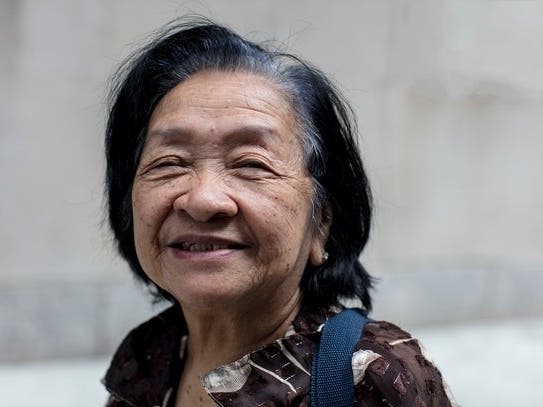
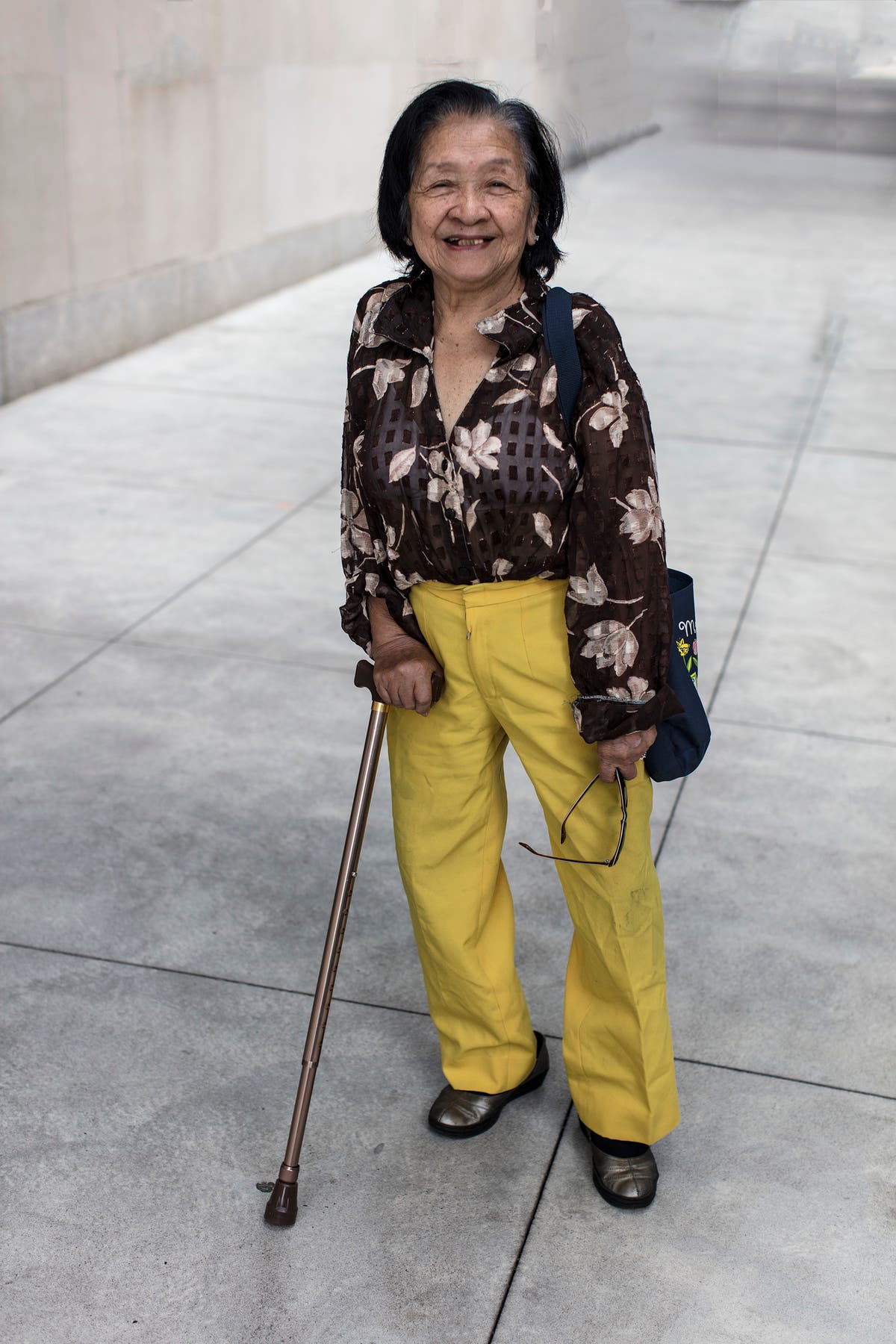
I met her as I was leaving Hamilton House on West 73rd street in New York City. Netty came to the United States from the Philippines when she was 18 years old. She is now 78 years old.
The first thing she told me about was Hamilton House — and that if I go there I could get lunch for free. I guess this was her way of letting me know that I too was among the elderly.
Netty told me that Hamilton House was an important place for her because she goes there for various social activates, not just for food. Her husband died in 1998 when she was 67 years old. Although she has 5 children and 15 grandchildren who visit her often, she still lives alone and needs the socialization that Hamilton House provides.
Find out what's happening in Upper West Sidefor free with the latest updates from Patch.
Netty worked as a secretary in Brookyln for many years, but is now retired. She worked for the New York City Board of Education and also for a number of various construction firms in Brooklyn.
I asked Netty my important question about getting out. She said she gets out almost every day, it is what keeps loneliness and depression away. She loves getting old and getting out in New York City.
Find out what's happening in Upper West Sidefor free with the latest updates from Patch.
Herb Bardavid is a social worker with a passion for photography going back to his childhood years. When he was 12 years old, Bardavid commandeered his family's only bathroom to serve as a part-time dark room for developing photos.
At his wife's suggestion, the Upper West Side resident chose to chronicle the lives of New York City senior citizens for a year-long photography project. Bardavid, who's in his 70s, is inspired by New York City's elders who don't let their age get in the way of how they live their lives.
"Elderly people in New York City are sometimes invisible," Bardavid told Patch. "People walk by and nobody pays attention to them. So when I stop people they're are not only surprised but also happy because people don’t often talk to them."