Health & Fitness
Stillbirth and Long-Term Depression
Women whose pregnancy results in a stillbirth are at greater risk for depression.

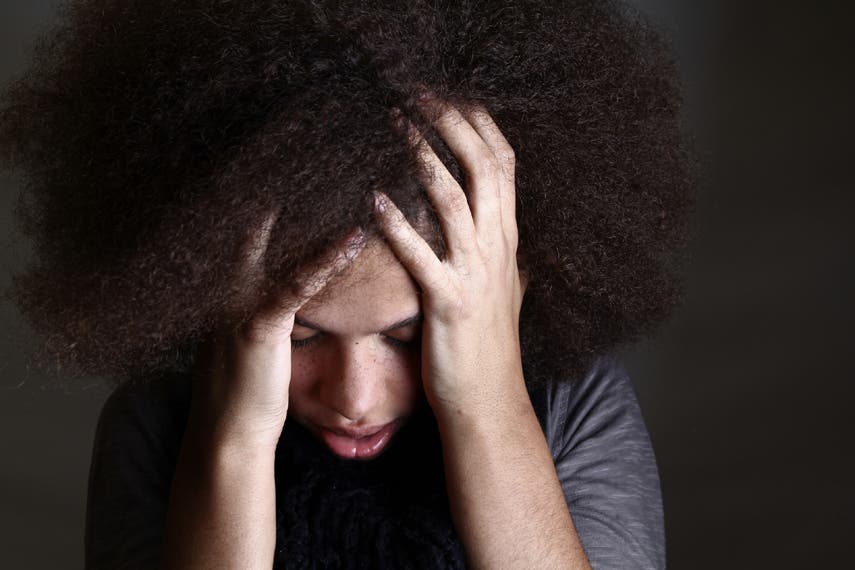
Women whose pregnancy results in a stillbirth (that is, loss of a pregnancy at or after 20 weeks) are at greater risk for depression, even when they have no prior history or known vulnerability to clinical depression, according to a new study recently released by the Stillbirth Collaborative Research Network.
Grieving a pregnancy loss, especially after carrying a baby for a significant time, is entirely normal. That grief process typically resolves over the course of about six months. Yet women experience depressive symptoms as long as 36 months after delivering their stillborn baby, according to a newly published National Institutes of Health-supported study.
Researchers compared scores on the Edinburgh postnatal depression scale (EPDS) of women who had a healthy, full-term pregnancy to EPDS scores of women who had a stillborn baby. Their results revealed that nearly twice as many of the women who experienced stillbirth scored highly on the EPDS.
Find out what's happening in West Islipfor free with the latest updates from Patch.
Not only was there a twofold likelihood of having depressive symptoms after a stillbirth compared to a full-term delivery, but also the difference between the two groups increased over time: Women who had lost their babies at 20 weeks or beyond, continued to have high EPDS scores for up to 36 months--an indication of ongoing depression. This new data highlights the need for continual assessment and follow up after stillbirth.
Possible Repercussions
Furthermore, depression after giving birth can affect the wellbeing of the current and future family as a whole. Earlier studies have shown that women with a history of depression are more likely to suffer from postpartum depression after childbirth--whether full-term or stillborn.
Find out what's happening in West Islipfor free with the latest updates from Patch.
Many are familiar with the normal mood ups and downs that may follow childbirth. These mood changes, also known as the “baby blues” are extremely common. They affect about 80% of women who give birth, regardless of ethnic and socioeconomic background.
The baby blues usually resolve without specific treatment. But for nearly one fifth of all women who give birth, the baby blues do not subside, but evolve into something more serious—postpartum depression or perinatal mood disorder. Each condition can affect a woman’s overall health and her ability to function and to bond with her newborn.
Signs and symptoms of a perinatal mood or anxiety disorder include:
- feelings of sadness, anxiety or irritability that don’t go away;
- statements such as “I feel overwhelmed,” “I can’t handle being a mom,” “I’m a terrible mother” or “I wish I had never had this baby;”
- unusually frequent calls to the pediatrician;
- excessive anxiety over the baby’s well-being;
- lack of bonding or eye contact with the baby;
- problems with eating or sleeping while the baby sleeps;
- disturbing thoughts that can’t be controlled; and
- compulsive behavior, such as constantly checking on the baby.
To learn more about perinatal mood disorders or to schedule an appointment, women may call South Oaks Hospital’s Perinatal Psychiatry Program at 631-470-MOMS or The Zucker Hillside Hospital’s Perinatal Psychiatry Center at 718-470-4MOM.
This post was written by Tina Walch, MD.
For more North Shore-LIJ Health Blog posts, go to http://blog.northshorelij.com/
Contents of the health blog are the property of North Shore-LIJ Health System and are provided as a health resource for consumers, health care professionals and members of the media. The medical content on the North Shore-LIJ Health Blog is for informational purposes only and should not be considered a substitute for consultation with your physician regarding diagnosis, treatment or any other form of specific medical advice. These materials may be reprinted for noncommercial personal use only. “North Shore-LIJ Health System,” “North Shore-LIJ,” “northshorelij.com,” “VivoHealth,” their related entities and logos are trademarks of the North Shore-LIJ Health System. Copyright © 2011 North Shore-LIJ Health System. All rights reserved.