Politics & Government
Local Parent, Politician on Governor's New Heroin Task Force
The group is tasked with ending the opiod crisis in New York, where overdose is now the leading cause of accidental death.


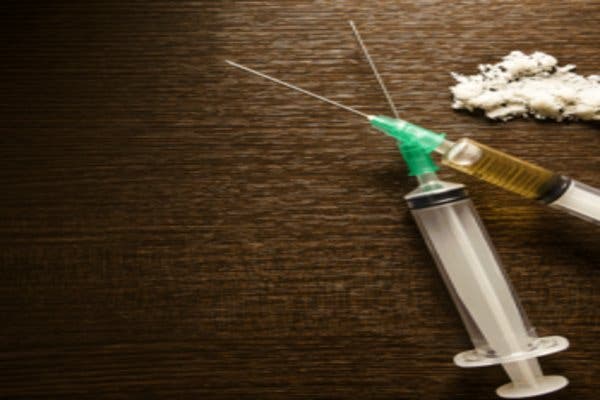
Gov. Andrew M. Cuomo today announced the launch of a statewide heroin task force charged with ending the heroin and opioid crisis in New York.
The group, comprised of a broad coalition of experts in healthcare, drug policy, advocacy, education, and parents and New Yorkers in recovery, will build on the state’s previous efforts and use their expertise and experience to develop a comprehensive action plan to combat the state’s opioid epidemic.
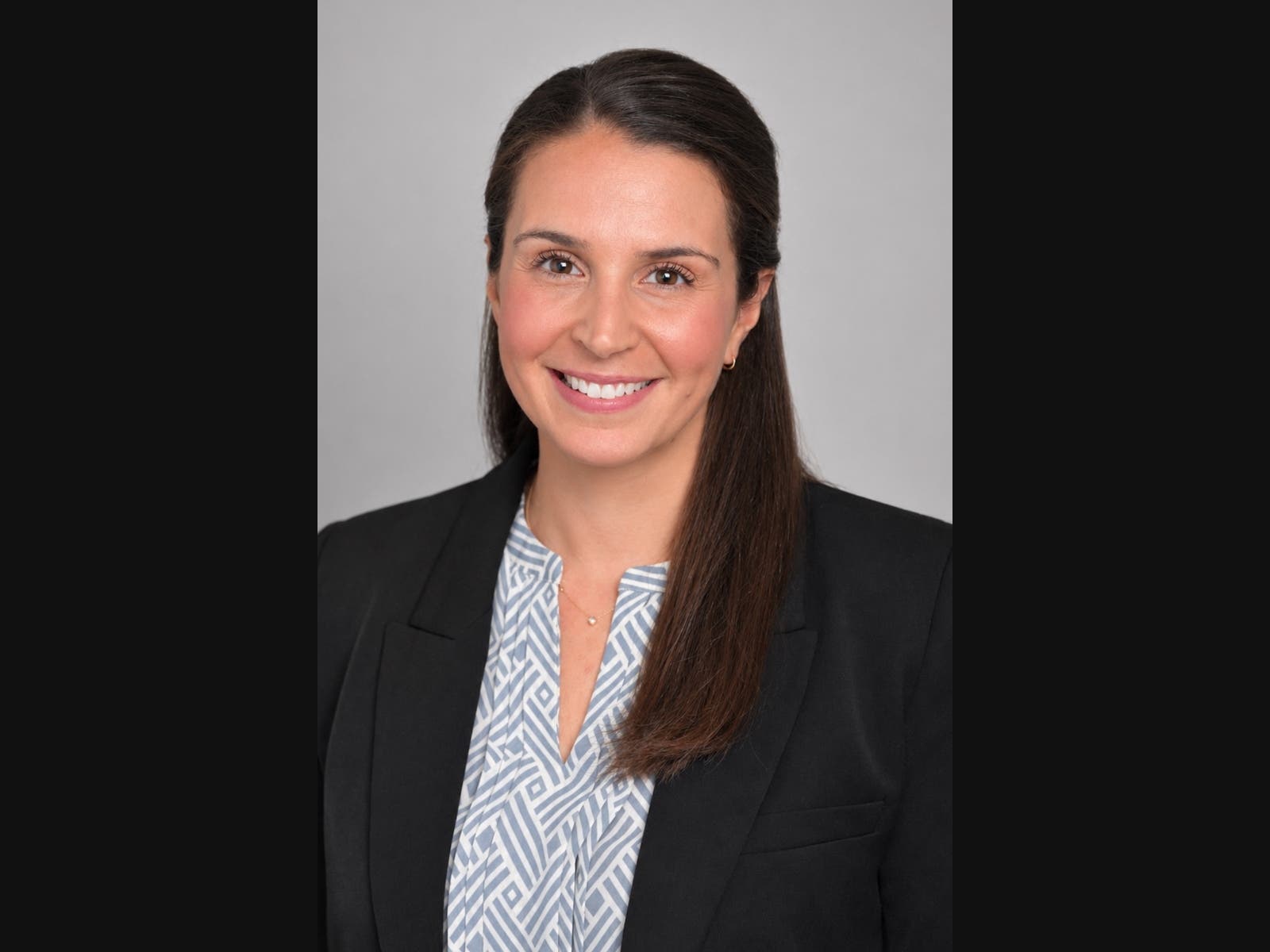
Among them are Susan Salomone, director of Drug Crisis in Our Backyard, a Hudson Valley-based organization started in 2012 by Susan and Steve Salomone and Carol and Lou Christiansen after the loss of their sons to a battle against heroin.
Find out what's happening in Yorktown-Somersfor free with the latest updates from Patch.
"I am honored to be a part of this important work and commend Governor Cuomo for leading the way in combatting this epidemic," Salomone said in a prepared statement. "As parent who has been impacted by addiction, it is my hope that the Task Force will provide New Yorkers with a roadmap to overcome substance abuse and help those in recovery lead long, healthy and happy lives. I look forward to working together to create a long-term plan that will help protect New York’s children and families.”
Also named to the task force is State Sen. Terrence Murphy (R-Putnam/Westchester), who has called for homicide charges against heroin dealers.
Find out what's happening in Yorktown-Somersfor free with the latest updates from Patch.
"Heroin and prescription drug abuse has claimed far too many lives in New York and across the country," Murphy said. "It's time we put a stop to this epidemic and prevent more needless tragedies from occurring. Launching this task force is the right move, and I look forward to joining Governor Cuomo's efforts to fight dangerous opioid abuse in New York State."
State officials said that over the past decade, admissions for heroin and prescription opioid-abuse treatment in New York have increased 40 percent. In Upstate New York and on Long Island, admissions for opioid and heroin addiction have increased 94 and 117 percent respectively. Moreover, heroin admissions to OASAS addiction treatment programs have risen 35 percent between 2006 and 2015. Five percent of students in grades 7 through 12 have reported using a prescription pain reliever non-medically.
SEE: State Report: Dutchess Leads in Heroin Overdose Death Rate
Members of the task force will hold public listening sessions across New York to inform their recommendations.
“Opioid addiction is a national epidemic that continues to plague families in communities across New York – and the state has been taking aggressive action to tackle this crisis head on,” Cuomo said his announcement. “The Heroin Task Force will take these efforts to the next level with a comprehensive action plan developed by a diverse coalition of experts. We will use the task force’s recommendations to implement smart solutions that will protect public health, enhance safety in communities statewide and save the lives of vulnerable New Yorkers.”
Members of Cuomo’s Heroin Task Force include:
- Kathy Hochul, Lieutenant Governor, co-chair
- Arlene Gonzalez-Sanchez, NYS OASAS Commissioner, co-chair
- Maria Vullo, Acting NYS DFS Superintendent
- Dr. Howard Zucker, NYS DOH Commissioner
- Joshua Vinciguerra, NYS DOH, Bureau of Narcotic Enforcement Director
- Michael Green, NYS DCJS Executive Commissioner
- Lt. Colonel Frank Kohler, Lead on Heroin/Opioids, NYS State Police
- Tino Hernandez, President, Samaritan Village
- Daniel Raymond, Policy Director, Harm Reduction Coalition
- Charles Brack, Peer/Family Support Specialist, United Healthcare
- Patrice Wallace-Moore, CEO of Arms Acres
- Michael McMahon, Richmond County District Attorney
- Adrienne Abbate, Executive Director, SI partnership for Community Wellness
- Kym Laube, Executive Director, Human Understanding & Growth Services
- Dr. Jeffrey Reynolds, President and CEO of Family and Children’s Association
- Anne Constantino, CEO of Horizon Health Services
- Cortney Lovell, Director, Wrise Consulting
- Susan Salomone, Executive Director of Drug Crisis in Our Backyard
- Patrick Seche, Director of Services, Addiction Psychiatry, University of Rochester Medical Center
- Jerald Woolfork, VP for Student Affairs at SUNY Oswego
- Tom O'Brien, Roxbury Schools Superintendent
- Terrence Murphy, NYS Senate
- Linda Rosenthal, NYS Assembly
State officials said:
New Yorkers struggling with an addiction, or whose loved ones are struggling, can find help and hope by calling the State’s HOPEline at 1-877-8-HOPENY (1-877-846-7369) or by texting HOPENY (Short Code 467369). New Yorkers can find an OASAS-certified substance use disorder treatment provider any time by using the OASAS Bed Availability Dashboard. For help with accessing care and insurance coverage, visit theAccess Treatment page on the OASAS website.
To find a naloxone overdose reversal medication training near you, visit the OASAS Addiction Treatment Center opioid overdose prevention trainings page. Visitwww.combatheroin.ny.gov for more information on addressing heroin and prescription opioid abuse, including a Kitchen Table Tool Kit to help start the conversation about the warning signs of addiction and where to get help. For additional tools to use in talking to a young person about preventing underage drinking or drug use, visit the State’s Talk2Prevent website.
Since 2014, Cuomo has implemented a series of reforms to combat heroin and opioid addiction, including signing the historic Combat Heroin Legislation; expanding insurance coverage for substance use disorder treatment; increasing access and enhancing treatment capacity across the state, including a major expansion of opioid treatment services; implementing new and expanded recovery services; and launching a public awareness and prevention campaign to inform New Yorkers about the dangers of opioid use.
In March, new regulations took effect that require all prescriptions to be transmitted electronically from the prescriber directly to the pharmacy. The measure is part of New York’s comprehensive I-STOP law, first implemented in 2012, designed to curb prescription drug abuse across the state.
Through I-STOP, New York requires prescribers to consult the Prescription Monitoring Program Registry when writing prescriptions for Schedule II, III, and IV controlled substances. The Registry provides practitioners with direct, secure access to view dispensed controlled substance prescription histories for patients in real time. The data is further used to identify potential sources of prescription drug diversion or abuse, including prescription fraud. In April, the state began sharing Prescription Monitoring Program data with New Jersey to further prevent the stockpiling and resale of dangerous controlled substances.
As of 2015, I-STOP has led to a 90 percent decrease in the number of "doctor shoppers" or patients who visit multiple prescribers and pharmacies to obtain controlled substances within a three-month time period.
As overdose is now the leading cause of accidental death in New York, the state has also led an aggressive effort to make naloxone available without a prescription at approved pharmacies. In March, the state DOH, in collaboration with the Harm Reduction Coalition, issued standing medical orders to the more than 750 independent pharmacies outside New York City, allowing these pharmacists to dispense naloxone without a prescription. The action built on the Governor’s agreement with CVS and Walgreens/Duane Reade in January 2016, enabling more than 900 of these pharmacies to make naloxone available without a prescription statewide.To date, New York has trained thousands of first responders and community members to recognize and respond to overdoses. Since 2006, the state’s community overdose prevention and naloxone distribution program has enrolled more than 225 registered programs, which have trained more than 112,000 individuals. As a result, more than 3,500 overdose reversals have been documented, with over 1,500 lives saved in 2015 alone. A total of 8,424 law enforcement officials have been trained to administer naloxone through these efforts, including 2,639 instructors.
Now, the Heroin Task Force will build upon the state’s previous efforts and develop a comprehensive statewide plan to break the cycle of opioid addiction in New York. Specifically, the Task Force will identify ways to expand awareness of heroin and opioid addiction; enhance statewide prevention efforts; increase access to treatment; and improve support for those in recovery. For more information, please visit this website.
PHOTO/New York State
Get more local news delivered straight to your inbox. Sign up for free Patch newsletters and alerts.