Schools
Student-led Composting Program Cultivates Waste
One of the participants is a student from Yorktown Heights.


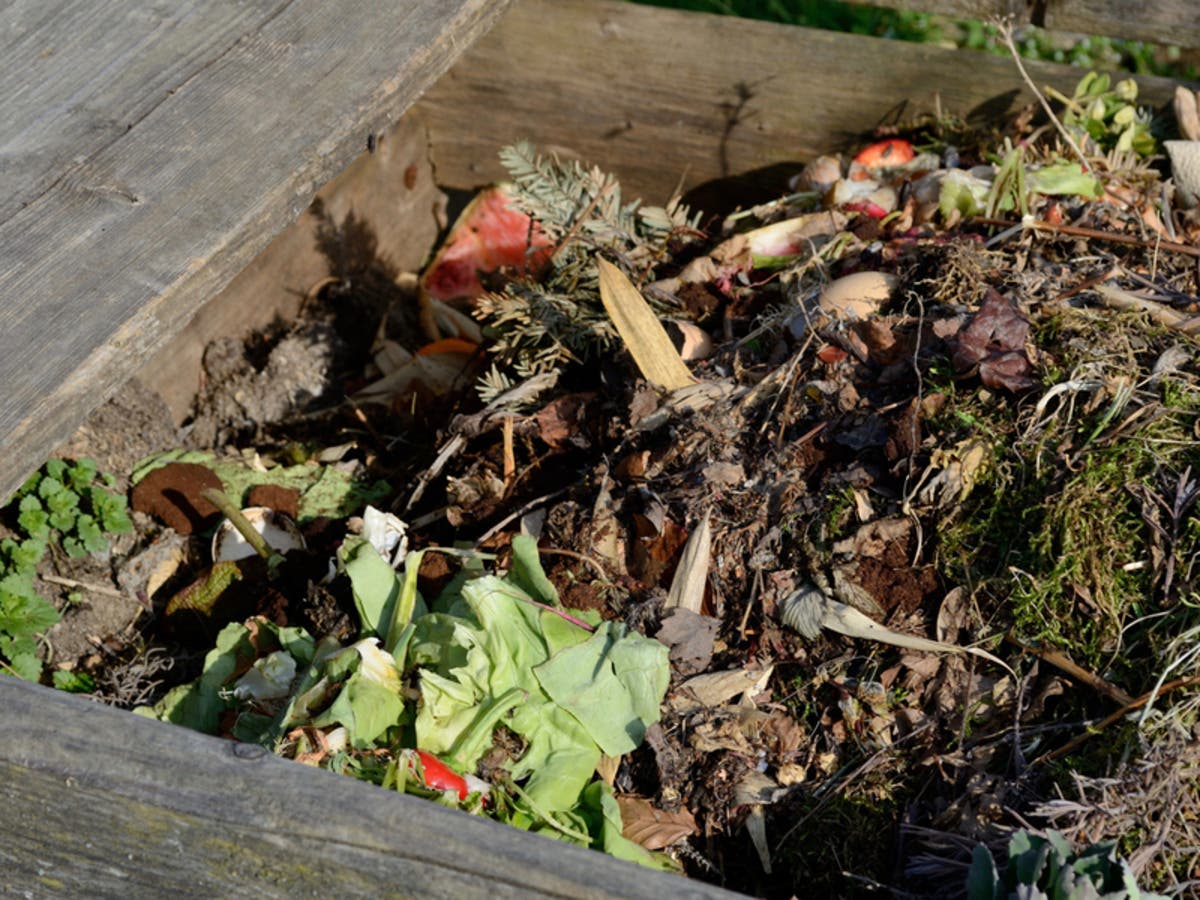
GENESEO, NY — A student-led campus composting program at SUNY Geneseo has kept more than 1,000 pounds of plant and food waste from going to the landfill this month alone. Student interns from the Office of Sustainability, including one from Yorktown Heights, have created a compost-collection program that includes distributing compost buckets to individual faculty and staff members who are diverting the compostable waste they generate during the day — such as food scraps from lunches and paper towels, for later use in other campus sustainability efforts.
Twice weekly interns and student volunteers collect the small green compost buckets from campus buildings. The students empty and return clean bins the following day. Having bins in all residence halls and most academic buildings is a milestone, says sustainability intern Elijah Freiman '20, of Yorktown Heights. Their hope is to keep increasing the number of faculty and staff who have a bin in their office.
The Department of Facilities Services has been composting organic waste generated by the grounds crews, and Campus Auxiliary Services (CAS) also composts pre-consumer food waste generated in food preparation, such as peelings and rinds. The interns' building compost program now involves students in the methods of composting and it helps build awareness of sustainability efforts, said intern Clara Gallagher '20, of New York, who is also a member of Geneseo's President's Commission on Sustainability.
Find out what's happening in Yorktown-Somersfor free with the latest updates from Patch.
"The best part about expanding composting efforts on campus is discovering how involved people want to be, and that they are sharing the news about the program with their colleagues," she said. "Most people think that they have nothing to compost, but much of our compost is coffee grinds and tissues, which almost everyone uses. And with these small changes, we were able to save a ton of biodegradable material from going to a landfill."
Those food scraps, paper towels and other items will become nutrient-rich material that the college will use in landscaping and turf repair on campus, and in the soil at the eGarden for garlic and other vegetables. The eGarden is a 1-acre, off-grid education and research facility that focuses on renewable energy, organic agriculture and sustainable organic waste management. Some of the vegetables will be used in meals served by CAS in dining complexes and the Big Tree Inn.
Find out what's happening in Yorktown-Somersfor free with the latest updates from Patch.
Participant Julia Deacon '20, assistant residence director for Suffolk Hall, actively composts and helps student residents think of ways they can sort their compost to make the process easy and to encourage participation. "Composting is important because it is an easy way for an individual to practice environmental wellness. It also is a simple way to give back to the community," she said.
Get Yorktown-Somers Patch’s daily newsletters and news alerts right in your inbox. Find and “Like” Hudson Valley Patches' Facebook Pages.
Image via Shutterstock.
Get more local news delivered straight to your inbox. Sign up for free Patch newsletters and alerts.