Neighbor News
Maximizing of CEO Productivity Across Cultures and Time Zones
CEOs need to stay productive whether they are in the office or traveling around the world.
American film icon Bette Davis once that old age wasn’t for the faint of heart.
I think few people would argue with that.
Similarly, the life of a CEO is only for the sturdy of character. Some may envision the lifestyle of a corporate leader to be glamorous, complete with elaborate, fancy parties and hobnobbing all over the world.
Yes, that life does have advantages and offer experiences that some will never have, but it is filled with hectic, over-scheduled days and innumerable responsibilities that often involve decisions that affect the well-being of hundreds or thousands of others.
Most people may also believe that if one is the boss that he or she has no one to report to on a regular basis. But CEOs must answer to their board of directors and are often held accountable for the fate of major decisions and the profit/loss ratio of their companies.
So, while, yes, CEOs usually enjoy extensive international travel and the perks associated with it, they also experience a great deal of daily stress and commotion.
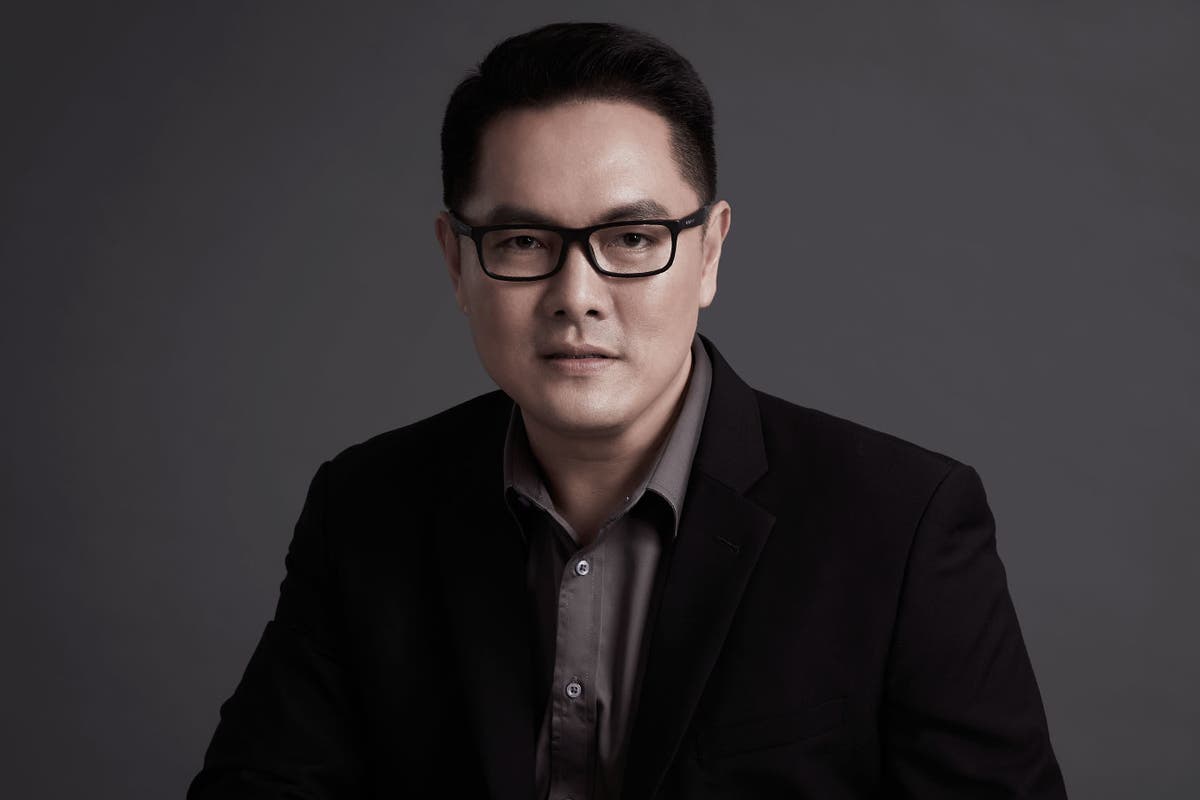
Dr. James Nitit Mah, a global entrepreneur, author and professor believes that it takes a special personality to handle the pressures of the CEO lifestyle and frequently involves the individual adapting to a different way of thinking.
The aspiring or new CEO must become used to being flexible in terms of temperament, mindset and even time because their inner circle is opening more widely and now including those who express themselves differently, have varying global views or simply live in another time zone.
Working with peers or venture partners in multiple time zones, many with equally crowded schedules, is a trial in itself for most chief executives. Everyone has their own priority and own deadline. But the smart CEO who is always looking to negotiate will try to satisfy as many constituents’ needs as possible. It’s best not to burn many bridges in such situations.
Add to this tangled web, the fact that a call might have to be scheduled at the crack of dawn in your country to make sure to include all necessary players from overseas areas.
Dr. James Nitit Mah believes that in addition to keeping in mind such competing sensitivities and time concerns, the smart CEO must also be cognizant of cultural differences.
Of course, one wants to maximize outcomes by being as productive as possible, but proper conduct with regard to local customs has to take priority. CEOs must become used to dealing with other corporate leaders with different traditions and cultural standards.
Japanese business people, for example, place a great deal more emphasis than Americans on proper business etiquette and protocol. It is imperative for Americans dealing with Japanese companies to show the utmost respect to their officers—even to the point that those in the U.S. would find excessive.
Requirements for the Japanese in corporations include business dress—business casual dress is really not acceptable to them—and conservative demeanor. A CEO from a foreign land should not appear overtly formal or excessively friendly upon first meeting a Japanese corporate executive.
Also, when first meeting face to face, a foreign CEO should bow and wait to see if the host offers a handshake before offering one. When the time arrives for people in such a business situation to be seated, it is imperative for the non-Japanese people to wait until directed on where they would like you to sit. They determine this by status and hierarchy and it is rude to attempt to position oneself in any other way.
Other nations have similar traditions. Chileans for example stand closer to their discussion partners than many other people do. They are very concerned with body language and sensitive to hand signals that can be considered rude such as beckoning someone with a finger or hitting your palm with a fist when conversing.
Also, the business culture is more formal than the North American way. Chileans expect visiting business people to be on time, yet they demand that you be accepting if they happen to be a little late. They also value personal background and family relationships more than specific industry expertise.
Whatever country a CEO is in, he or she must appear confident, relaxed and knowledgeable despite time pressures and conflicting modes of business. The CEO is more likely to succeed by taking a deep breath, orienting himself/herself and looking at the glass in any business situation as half full.
More excitement and glamour do come to more CEOs than other business executives. But they must prepare themselves for a whirlwind of activity and occurrences that might overwhelm the ordinary average person.
As with anything worth having, a presidency of a corporation requires a great deal of sacrifice.