Business & Tech
City officials to explore ideas to address future of vacant Mentor Technology Greenhouse
Public-private business accelerator program has been unable to attract start-up companies
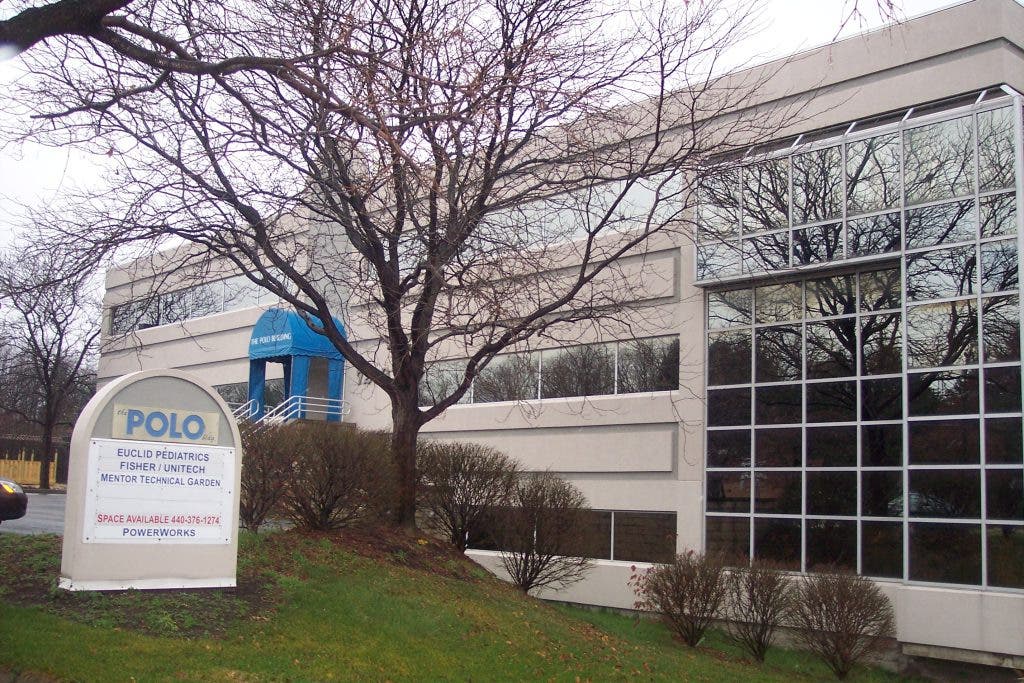
Mentor city officials will be exploring ideas to promote the Mentor Technology Greenhouse, a public-private business accelerator program, which has been unable to enroll start-up companies.
Mentor’s Economic Development Director Ron Traub met with Rich Shriner, co-owner of CADVenture LLC, Thursday afternoon to discuss the future of the accelerator housed at the Polo Building, 7200 Center Street. Its 11 office suites have remained vacant since October 2010.
MTG was formed as a cooperative economic development program by the city of Mentor, CADVenture Inc., Lake Erie College and Mentor Economic Assistance Corporation.
Find out what's happening in Mentorfor free with the latest updates from Patch.
“We’re willing to work with them but we can’t commit more money into it,” said Shriner. “The clock is ticking to the final hours and I can’t commit revenues to this unless I see some revenue.”
As reported earlier, Shriner estimates CADVenture has invested $80,000 in MTG, plus it is paying lease payments for space that has remained vacant for more than a year. CADVenture manages MTG’s assets, including its 11 office suites, equipment and software. The city of Mentor contributed $10,000 to renovate the accelerator’s office suites.
Find out what's happening in Mentorfor free with the latest updates from Patch.
From a business standpoint, Shriner has said it doesn’t make sense to continue paying the lease if the accelerator program cannot attract start-ups.
Despite marketing efforts, the program has been unable to attract start-up firms, though there have been about half-dozen inquiries from entrepreneurs. The city of Mentor has advertised MTG in local business publications and radio programs and distributed leaflets about the program at Lakeland Community College, Lake Erie College and the Mentor Public Library.
“As a result of (Thursday’s) meeting, I think there are some directions we can take,” Traub said. “One of them is to explore holding a seminar or webinar on how to start a small manufacturing business. Those businesses that participate in the seminar could be good potential candidates for the greenhouse.”
The accelerator program has been set up to attract start-ups that are designing or have already designed new products and need assistance in product development, manufacturing and marketing.
Traub also said the city could search for public or private grant funds to provide financial resources for start-ups.
Although the program has been designed to provide free or low-cost services for start-up firms, businesses accepted into the accelerator would be required to pay a $10,000 participation fee, but $4,000 would be paid for by a city grant and a forgivable loan. The remaining $6,000 would be paid by the business in the form of a $500 a month for rent for 10 months, plus a $1,000 upfront fee to pay for the first and last month rent.
“What we need to do internally is to have some conversations (about MTC) with members of the administration and city council and decide how we want to proceed,” said Traub.