Neighbor News
The Hidden Healthcare Pandemic
Researchers are warning that we are now facing "a second and equally serious pandemic of mental health challenges" for healthcare workers

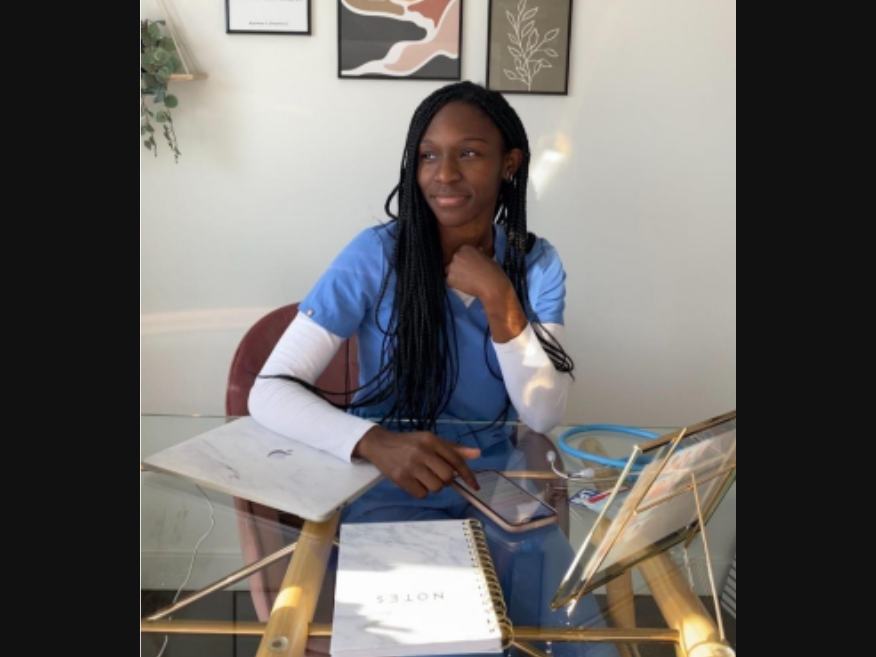
The clipboard was heavier than the night before, as Stephanie Akinola penciled yet another name into the log. Clearly the list was getting longer, and so were the shifts. "This isn't what I went to school to do," she thought to herself as she finished the entry. This was the first of 3 trips she would make to the morgue that night, as the catalog of the dead grew.
The subways were all but abandoned at the beginning of the pandemic in New York city. People were encouraged to stay home to protect themselves from a mysterious and deadly virus.
But Stephanie didn't have the luxury of sheltering in place or working remotely. She was a hero, or so the news reports told her, and now she had to leave an hour earlier to catch a rare L-train to her next 12-hour shift. "My days were 14 or 15 hours, but they felt longer than that," the licensed practical nurse explains, "A lot of the support staff would stay home and the nurses were expected to do the extra work." That work included transporting remains to the morgue, and at a frequency Stephanie wasn't ready for.
Find out what's happening in Portlandfor free with the latest updates from Patch.
"It just makes you feel sad. You come to work to save lives, but here you are in this cold, dark, eerie place to dispose of them. It’s not a place you want to keep going to."
As the pandemic continues into its second year, Stephanie's move to Portland has distanced her from these traumatic experiences. However, prolonged anxiety continues to threaten healthcare workers across the country. Long-term mental and emotional damage is threatening their well-being, their personal relationships, and the quality of care for the community. For this reason, researchers are warning that "we are now facing a second and equally serious pandemic of mental health challenges," highlighting that "the mental health needs of healthcare workers and those on the frontlines of the pandemic response cannot be overlooked."
Find out what's happening in Portlandfor free with the latest updates from Patch.
If pandemics come in waves, Oregon is facing a tsunami. A staggering 86% of nurses reported fatigue, burnout and moral distress, according to a recent survey at Oregon Health and Science University. It comes as no surprise then that nearly two-thirds of those surveyed are considering leaving the profession. And although some medical professionals have access to free counseling through the Oregon Wellness Program, that program only staffs 18 therapists - 18 life rafts that are not capable of carrying the weight of the state's roughly 70,000 nurses.
Of particular concern is the tide of moral distress, or moral injury, accompanying this crisis. While not a mental illness per se, it can "generate anger, shame, guilt, and mistrust" and can lead to PTSD, depression, suicidal thoughts, and drug and alcohol abuse. This affliction stems from a feeling of betrayal of the values and beliefs of healthcare workers "who witness the devastating impact of acute COVID-19 illness while too often feeling helpless to respond." Studies warn that a lack of resources and guidance will leave healthcare workers treading water in an open sea- amplifying feelings of helplessness, incompetence and betrayal by leaders.
For Stephanie, she feels grateful to have had help available far in advance. She credits a deep spiritual outlook and the support of a tight-knit community to make it through the worst of it all. And even now, through the uncertainty of variant surges and the ongoing demands of staff shortages, her routine of attending meetings over Zoom with Jehovah's Witnesses provide her a consistent source of encouragement. "Without a hope, people lose their purpose," she notes.
Mental health professionals confirm that spirituality can help people sustain a hopeful attitude, even in seemingly hopeless situations. Despite her previous experience and current challenges, Stephanie is staying positive by actively sharing a message of hope with others in the Portland area.
As the medical community pursues more information to grasp the potential long-term effects of the pandemic, the forecast is grim for medical professionals in the short term. Researchers note that they are currently lacking data to accurately predict outcomes, and many hospitals are struggling to find nurses, let alone provide them with emotional support.
There may not be a timely vaccine for this second pandemic.