Schools
Lehigh University Dining Launches Chef Series with Campus Food Pantry
Lehigh Dining launches a chef series teaching students how to turn campus pantry staples into affordable, nutritious meals.

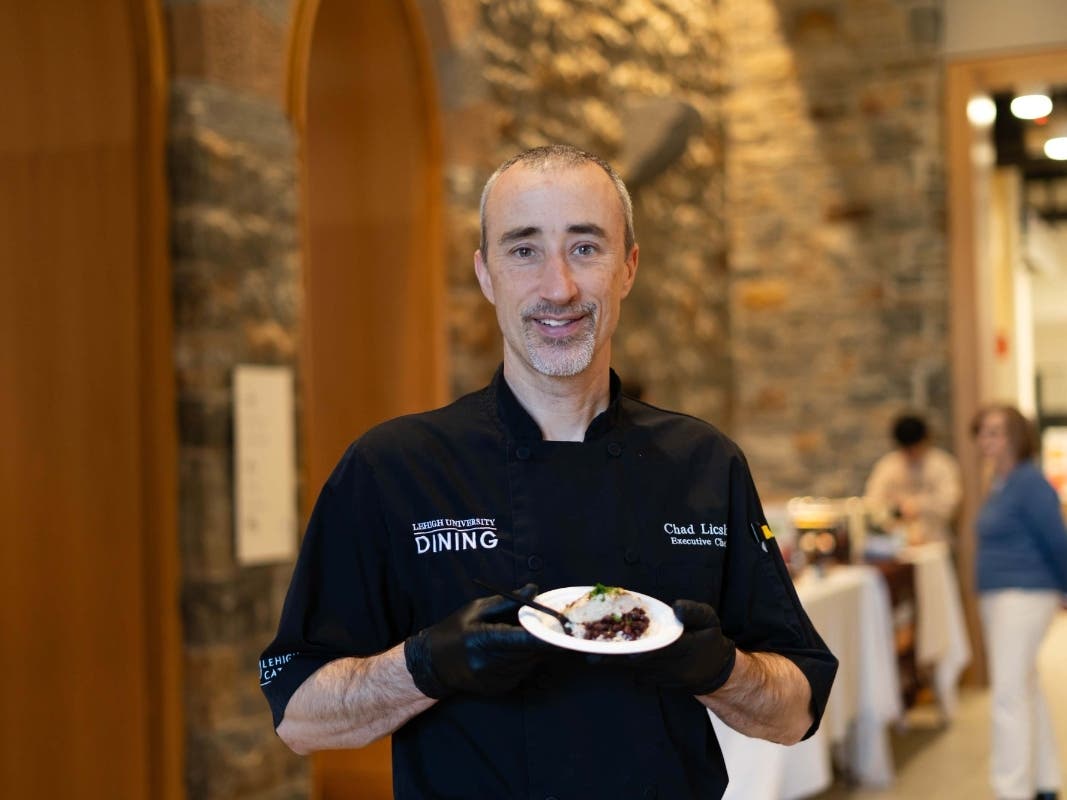
Bethlehem, PA — At Lehigh University, a new chef-led cooking series is bringing practical skills and food access into the same room. Developed in partnership with the campus food pantry, the initiative teaches students how to prepare meals using ingredients commonly available on pantry shelves.
The series, led by campus dietitian Sue Hurd and Lehigh Dining’s culinary team, grew from a simple but urgent question: How can students make the most of what they have?
The concept began when the Lehigh Development Office and the Campus Food Pantry approached Hurd about offering cooking classes for students who rely on the pantry. The funding came from an alumnus who wanted to support food access initiatives on campus.
From the outset, organizers agreed the effort should avoid singling out pantry users. Instead of limiting the classes to a specific audience, Hurd proposed a monthly chef series open to the broader campus community. Each event highlights recipes created by Lehigh’s culinarians using ingredients typically found in the pantry, paired with instruction on basic cooking skills.
“We wanted to make this about education and access,” Hurd explained. “If we can show students how to turn pantry staples into satisfying meals, that’s empowering.”
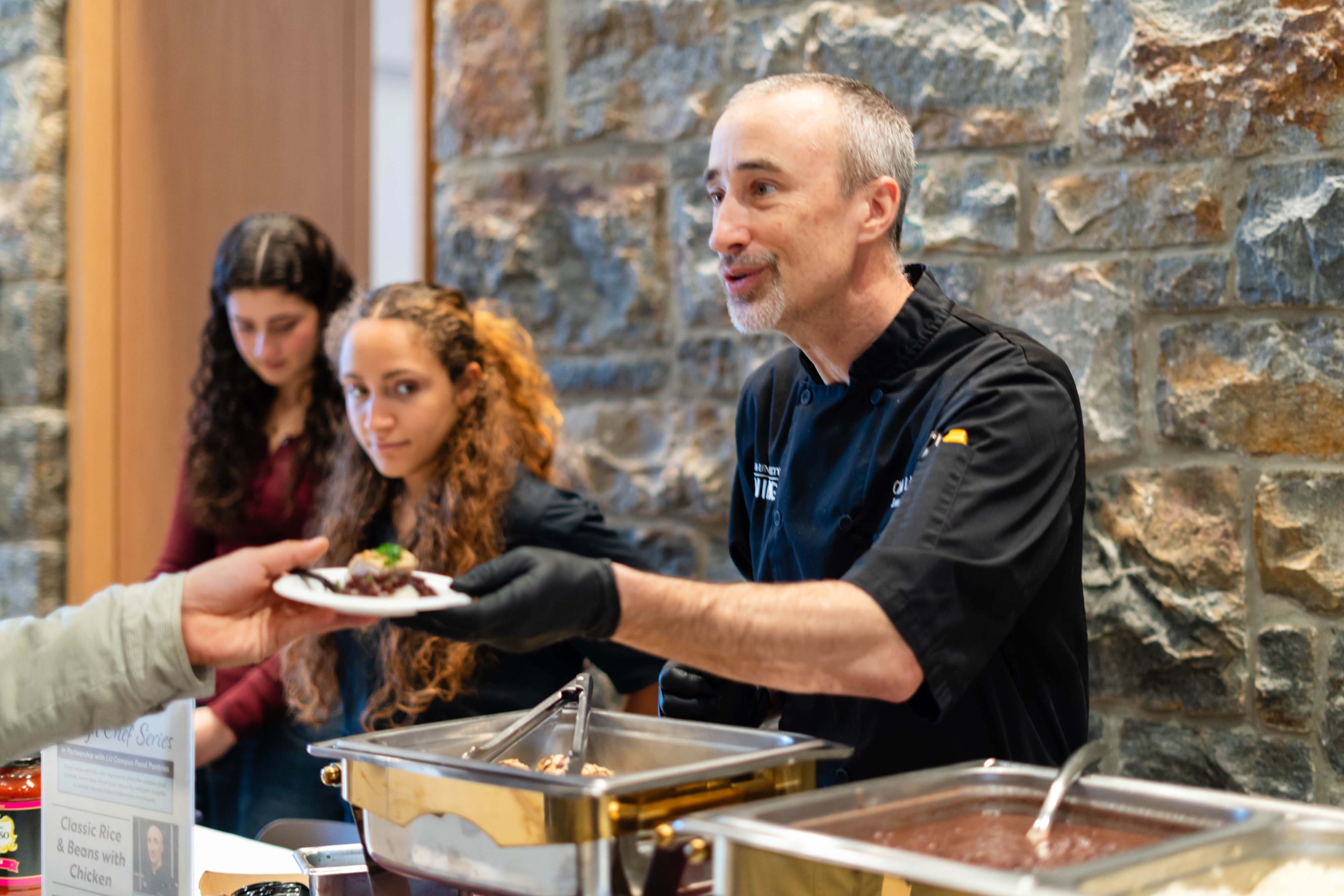
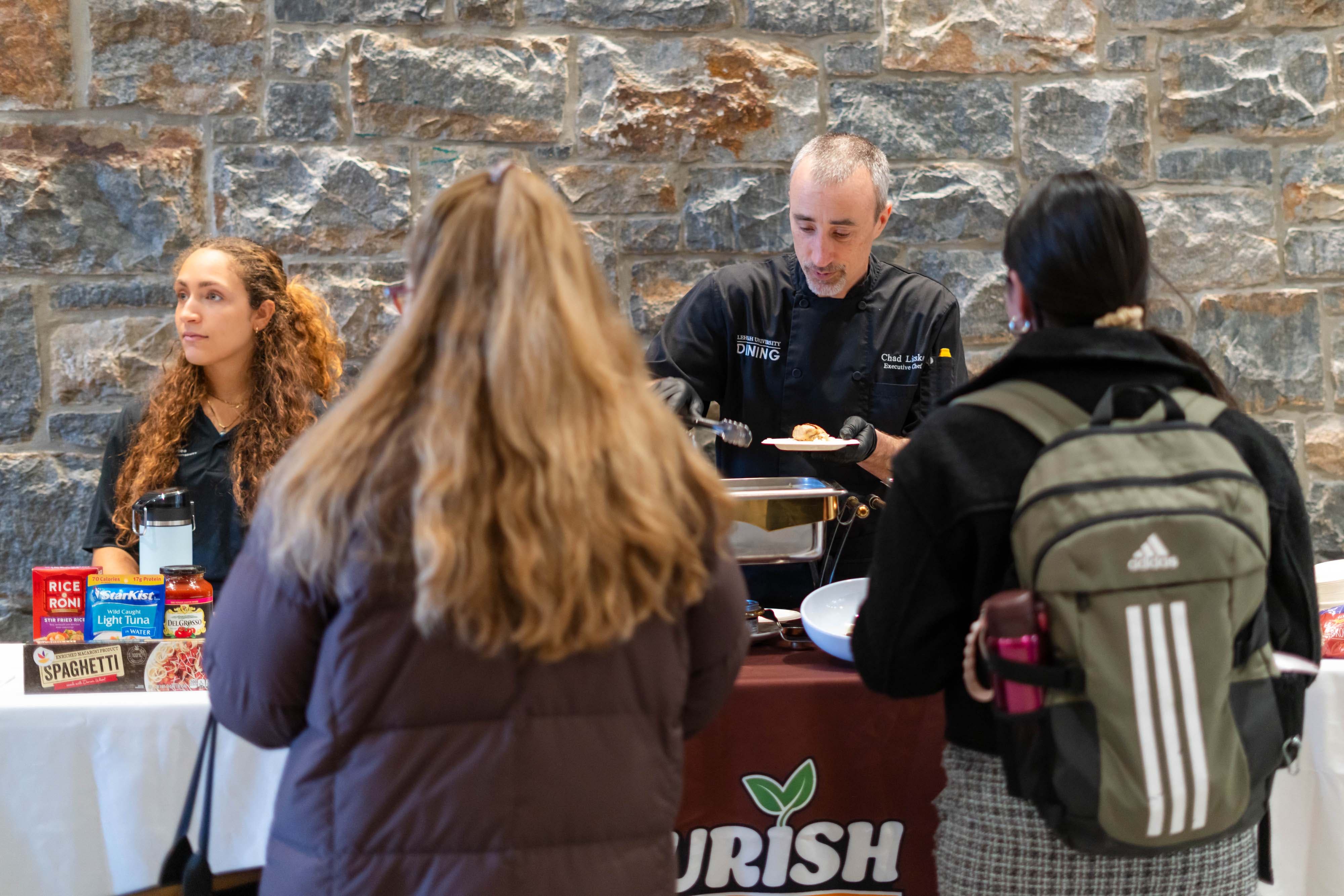
The inaugural event, held February 4, 2026, featured Chef Chad Licsko preparing rice and beans with chicken — a budget-friendly, protein-packed meal built from pantry basics. Approximately 100 students attended.
Events will occur once per month during the spring 2026 semester.
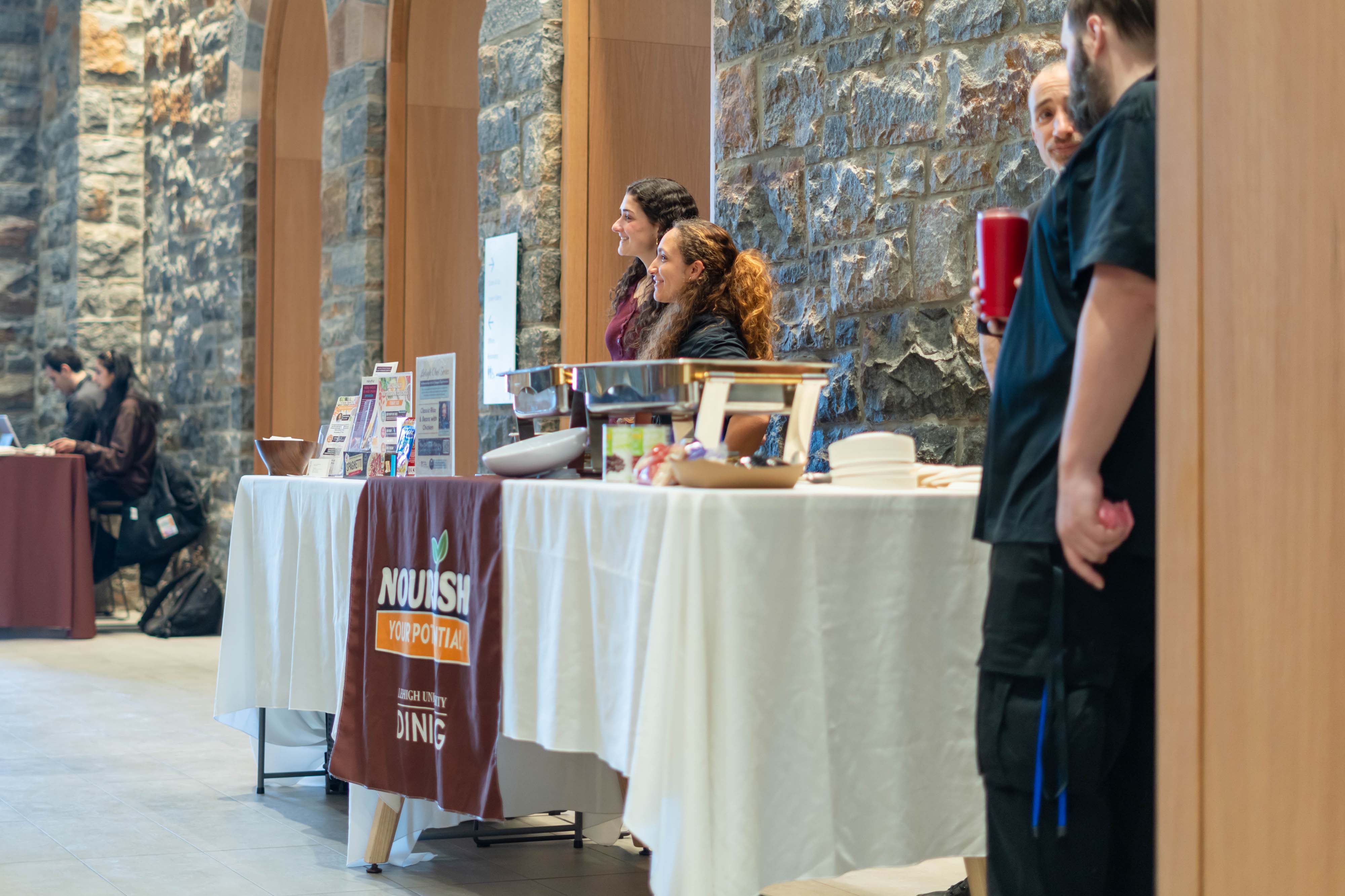
Each session takes place in the Clayton University Center. Dining prepares the featured dish on site for sampling, and attendees receive printed recipes along with a QR code linking to a master recipe collection available at each campus pantry.
While Dining staff donate their time, equipment, and expertise, food costs are covered through the designated alumni donation that launched the initiative.
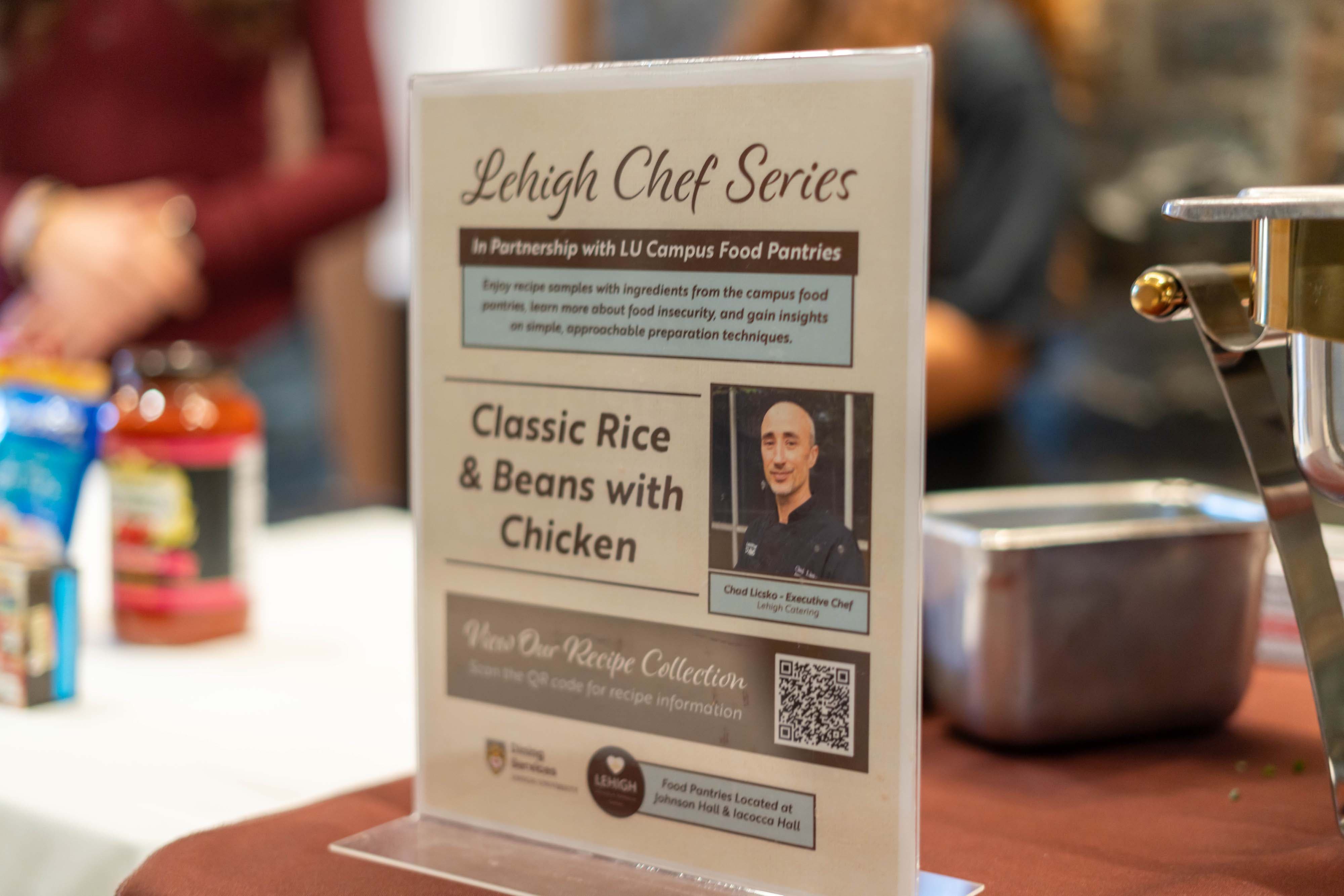
The foundation for the series is a recipe collection originally created by Hurd’s student Nutrition Ambassadors for a previous event. That collection was revised for this program and expanded to include chef-developed recipes. Copies are now accessible at each campus pantry location.
To ensure the recipes reflect what students actually encounter, chefs visited one of the pantries before developing their dishes, giving them firsthand insight into the types of ingredients typically available.
In addition, Dining’s marketing coordinator captured footage with Chef Licsko to create short cooking skills tutorial videos that will eventually be made available through the pantry. Those videos are currently in development.
The food pantry operates under the campus Wellness Center, extending the collaboration beyond Dining. The events have also been highlighted by Lehigh’s public relations team as an example of how the Clayton University Center serves as a hub for outreach and community engagement.
Beyond the chef series, Lehigh Dining supports the pantry in several ways:
- Donating leftover sampling products, such as gluten-free oatmeal from a recent Bob’s Red Mill event
- Hosting periodic food collection drives
- Contributing a portion of items collected through Move for Hunger activities
- Producing a student-led outreach video to reduce stigma around pantry use
The pantry recently relocated to a larger space within the Wellness Center, reflecting growing awareness and demand.
For Hurd, the work is deeply personal.
“It’s about connecting with the Lehigh community and supporting food insecurity initiatives,” she said. “When I meet with students who are supporting themselves or learning to cook for the first time, the food pantry is a big part of that conversation.”
The goal extends beyond a single meal demonstration. Organizers hope that increased student engagement will encourage stronger alumni support, expanding both donations and future programming.
“It’s been a labor of love,” Hurd acknowledged. “There are a lot of personalities and logistics involved, but it’s rewarding to build these connections across campus.”
At its core, the series addresses a reality many students face while offering a practical response: take what’s available, learn how to use it well, and create something sustaining from it.
This is a paid post contributed by a Patch Community Partner, a local brand partner.. The views expressed in this post are the author's own, and the information presented has not been verified by Patch. To learn more, click here.