Business & Tech
Lehigh Valley Jobless Rate Drops to 8.3 Percent
Restaurants, hotels, leisure industry added 2,100 positions in March
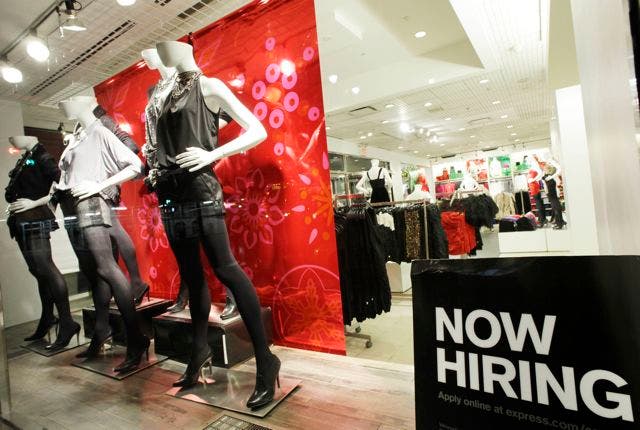

After what has seemed like a winter of Hamburger Helper, Lehigh Valley residents are going out on the town.
The Valley region’s jobless rate dropped to 8.3 percent in March from 8.7 percent in February with the addition of 2,100 seasonally adjusted jobs at restaurants, hotels, bars and various leisure establishments.
“That’s the hotel industry - all your restaurants and typical outdoor stuff,” said Steven Zellers, state Department of Labor industry analyst. “All the little putt-putt golf courses opening up, all the little ice cream places opening.”
Find out what's happening in Bethlehemfor free with the latest updates from Patch.
Considering all the employment sectors that lost or gained jobs, the region netted a total of about 900 new jobs since February. For statistical purposes, the state considers the region to include the counties of Lehigh, Northampton and Carbon, plus Warren County in New Jersey.
Lehigh and Northampton counties each had an unemployment rate of 8.1 percent in March. That’s compared with 7.8 percent in Pennsylvania overall and 8.8 percent nationally.
Find out what's happening in Bethlehemfor free with the latest updates from Patch.
The number of people in the seasonally adjusted labor force dropped by 3,300 to 416,300 from February to March, but Zellers cautioned not to read too much into a change from one month to the next. That’s 4,600 fewer people than the 420,900 reported in the labor force in March of last year.
“[Labor force numbers] have been see-sawing over the last 12 months,” he said. “If they consistently went down, we’d have to think what’s causing that.”
Bob Wendt, research director for the Lehigh Valley Workforce Investment Board, said the labor force numbers are garnered from surveys of residents who are asked if they currently have a job or are looking for one.
While the national unemployment rate for March was 8.8 percent, when you add in people who are discouraged and no longer looking for work or whose hours were involuntarily cut back from full-time to part-time, that rate was 15.7 percent, Wendt said, citing federal statistics.
The irony is that, when discouraged workers start reading that employers are hiring, many of them jump back in the labor pool, which can send the jobless rate up again. “You could have a period where the economy is improving and employers are hiring and the unemployment rate goes up,” Wendt said.
Locally, job creation has been gradual. “There are a lot of companies that are hiring onesies and twosies,” Wendt said. “They’re rounding out and filling in where it’s absolutely necessary. Employers are still concerned about the staying power of the recovery.”
One of the most stubborn sectors has been retail, specifically in areas like furniture, appliance and home improvement stores and car dealerships, said Zellers. While employment at supermarkets, general merchandise and department stores has been relatively flat, businesses that sell big ticket items have been slow to hire.
“That will be one of the last things to recover,” he said.
Jobs in professional and business services, which include positions such as architects, engineers, management services and waste services, decreased by 400 in March. Federal, state and local government jobs are down 1,500 from March 2010, the data shows. The manufacturing sector added 300 jobs in March.