Schools
Montco Judge Appointed To Hear Central Bucks Voting Region Petition
A hearing is scheduled for April 14 at the Bucks County Justice Center in Doylestown.


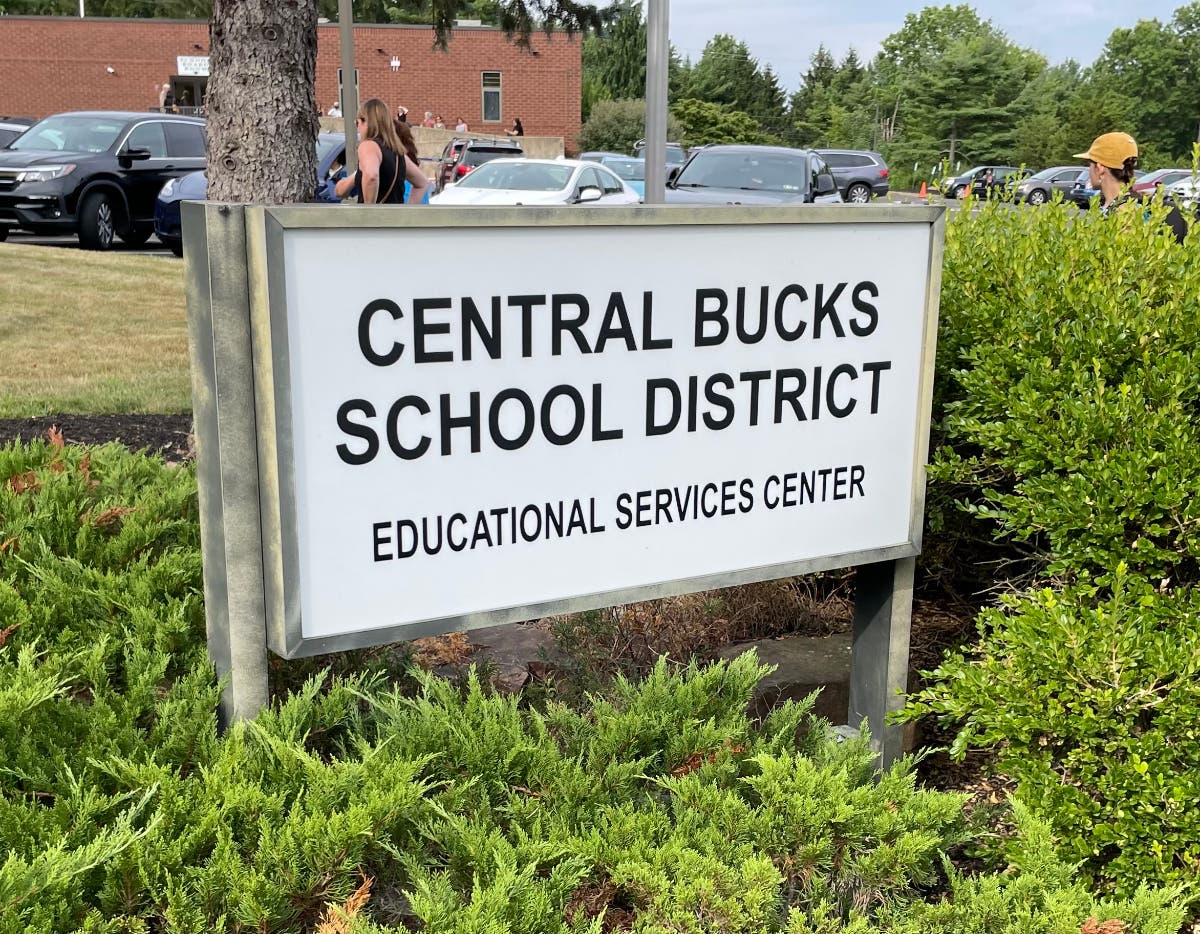
DOYLESTOWN, PA — A Montgomery County judge has been appointed to hear Central Bucks School District’s petition to realign the district’s voting regions to bring them more in line with the law and the current population.
Due to population growth over the past decade, the district's nine voting regions have become uneven in population and are required by law to be redistricted into more equal regions.
Senior Judge Cheryl L. Austin is scheduled to hear the school district’s arguments during a hearing on April 14 at the Bucks County Justice Center.
Find out what's happening in Doylestownfor free with the latest updates from Patch.
Austin was brought in after all 18 Bucks County judges recused themselves from hearing the case to avoid a conflict of interest. The wife of Judge Stephen Corr is the Human Resources director for the school district.
The school district’s map approved by the board in 7 to 2 vote in December proposes to rectify changes in population by realigning the district’s current nine voting regions, each of which selects a member to sit on the board.
Find out what's happening in Doylestownfor free with the latest updates from Patch.
In late January, a group calling itself CBSD Fair Votes challenged the district’s map as unconstitutional and submitted its own map to the court, which would realign the district into three equal voting regions.
Attorney Brandon Flynn, representing CBSD Fair Votes, called the school district’s plan “unconstitutional,” arguing that it fails to create nearly equal regions, disenfranchises more than 6,000 voters and gerrymanders voting districts to favor Republican Party control of the board.
“We have filed a petition to redistrict that is constitutional, it’s fair and it represents the 50-50 division between Republicans and Democrats,” said Flynn.
The board’s plan makes some adjustments, but it does not fix the unconstitutionality of the current regions, said Flynn.
“The deviation between the smaller and larger regions cannot be 10 percent or greater. The board’s proposed plan is 17 percent, so it’s almost twice as high as what is permitted under the constitution,” he argued.
In addition, Flynn said the district’s map does not reflect the partisan makeup of the district.
“The district is just about 50-50. It’s actually slightly higher on the Republican side. However these lines that are proposed would lock in a 7 to 2 Republican advantage on the board for at least the next decade,” he said. “Unfair partisan gerrymandering is a violation of the Pennsylvania Constitution under the Free and Fair Elections Clause.”
Under the law, Central Bucks can have a nine district voting region, a three district region, an at large election or a combination. The district currently has nine voting regions, which the school board’s proposal seeks to continue.
CBSD Fair Votes is putting forward its own plan that would split the district into three regions, which Flynn argues would maintain the balance between the Democrats and Republicans and would be competitive. Each district would elect three members to the board.
In court documents, the school district argues that the CBSD Fair Votes plan would be “extremely disruptive to the community and the goals of equal representation.
“Under the current nine region plan, a resident of any of the given nine districts is assured that their representative on the school board will be a resident of their neighborhood or at least a resident of their proximate geographical area,” writes school board solicitor Jeffrey Garton.
Under the proposed three region plan, it is entirely possible given the large geographic regions proposed, that an individual's representatives on the school board could live in a different community, which may identify with different cultural and community priorities, leaving that resident without any true representation, said Garton.
“Reverting from a nine-district plan to only three district at large plan places the diversity of backgrounds and opinions among board members in great jeopardy due to the high possibility of the centralization of candidates from the high population areas of those three districts and the elimination of more compact and localized districts.”
Get more local news delivered straight to your inbox. Sign up for free Patch newsletters and alerts.