Health & Fitness
Zika Virus In Pennsylvania: What You Need to Know
The Zika virus outbreak is ongoing in 24 countries. How could it affect Pennsylvanians?


While there have been no confirmed cases of Zika in Pennsylvania, local health departments are still educating themselves about the virus that officials say is spreading ”explosively” across the Americas.
Health officials tell the Associated Press as many as eight people in Pennsylvania are being tested for Zika. None of the cases have been confirmed.
In nearby New Jersey, a woman recently visiting from Colombia became that state’s first confirmed case of the Zika virus. The illness, which has been blamed for birth defects, has prompted the United States to issue travel alerts for 24 countries, advising people to take full precaution against mosquito bites while abroad, especially pregnant women or women who may become pregnant.
The Zika virus outbreak is ongoing in several countries in Central and South America, as well as the Caribbean and Mexico. See the full list of Zika travel alerts here.
In response, health officials in Pennsylvania are spreading the word and asking doctors to be mindful of the potential of infection when diagnosing illnesses, especially in patients who have recently traveled to an affected area.
The Pennsylvania Department of Health last week issued this Health Advisory on Zika, which notes that all suspected cases of the infection should be reported to state officials.
And in Chester County, the Health Department recently issued a health advisory on Zika, saying ”Healthcare providers should consider Zika virus infection in patients with acute onset of fever, maculopapular rash, arthraligia, or conjuctivitis AND who have recently returned from Central America, South America, the Caribbean, or Mexico.”
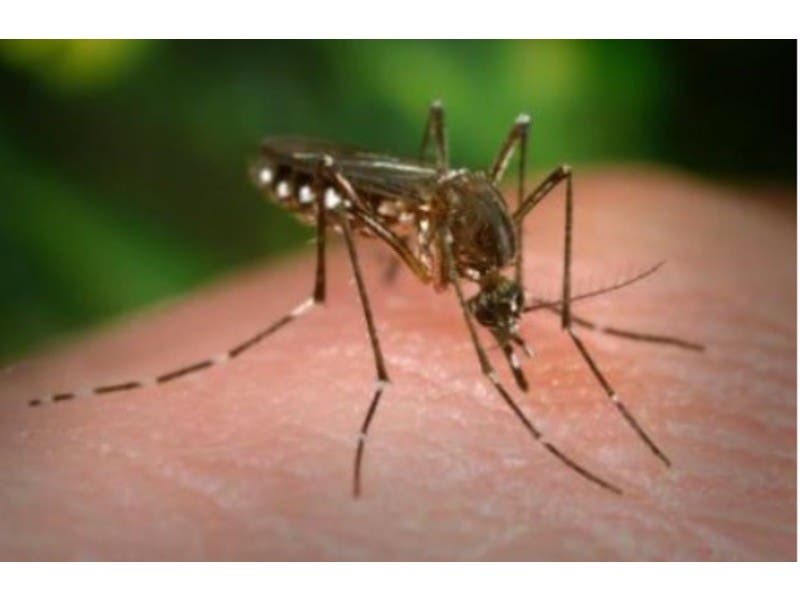
PennLive.com reports there is one species, the Asian tiger mosquito, that is found in Pennsylvania that can carry the virus. An outbreak in Pennsylvania, even in the summer months, is not believed to be likely.
But travelers leaving the state and headed south should be careful, experts warn.
Officials from the World Health Organization said Thursday that the Zika virus was “spreading explosively” in the Americas, saying they plan to convene an emergency meeting on Monday to decide whether to declare a public health emergency, according to The New York Times.
The concern follows reports of microcephaly and other poor pregnancy outcomes in babies of mothers who were infected with Zika virus while pregnant. More studies are planned to learn more about the risks of Zika virus infection during pregnancy, according to the CDC.
Currently, there is no vaccine to prevent or medicine to treat Zika. Four in five people who acquire Zika infection may have no symptoms. Illness from Zika is usually mild and does not require hospitalization.
President Obama on Tuesday called for accelerated development of vaccines, tests and treatments for the virus. Airlines have been offering refunds to passengers in countries affected by the Zika virus outbreak.
Travelers are strongly urged to protect themselves by preventing mosquito bites:
- Wear long-sleeved shirts and long pants
- Use EPA-registered insect repellents containing DEET, picaridin, oil of lemon eucalyptus (OLE), or IR3535. Always use as directed.
- Insect repellents containing DEET, picaridin, and IR3535 are safe for pregnant and nursing women and children older than 2 months when used according to the product label. Oil of lemon eucalyptus products should not be used on children under 3 years of age.
- Use permethrin-treated clothing and gear (such as boots, pants, socks, and tents).
- Stay and sleep in screened-in or air-conditioned rooms.
Here’s are more questions and answers about Zika:
The biggest risk is to pregnant women and their unborn children.
Several reports have linked Zika in mothers with Microcephaly in infants, the CDC says, a potentially life-threatening birth defect where a baby’s head is smaller than expected.
It is unclear if the two are directly correlated, the CDC says, but since little is known about Zika, the Center is taking preventative measures.
The virus in and of itself isn’t particularly serious, according to the CDC. Infected people can expect fever, rash, joint pain and red eyes for a couple of days or up to a week, and hospitalization is rare, the CDC says.
Mosquito bites from the Aedes species are the primary form of transmission, the CDC says, but in rare cases a mother can transmit the disease to her child.
The disease may also spread through sexual contact with an infected person, the CDC says.
What countries are under travel alerts for Zika?
Mexico, Brazil and Puerto Rico are among the 24 countries for which the CDC has Zika travel alerts issued.
The travel notices are still just level 2 — meaning a full ban isn’t in effect, but potential travelers should take full precaution against mosquito bites while abroad, especially pregnant women or women who may become pregnant.
The Virgin Islands and Dominican Republic were added to the list Tuesday. See the full list of Zika travel alerts here.
Get more local news delivered straight to your inbox. Sign up for free Patch newsletters and alerts.